THE ADVENTURE COLLECTIVE® · Independent discovery and booking for outdoor travel

Catch the Taj Mahal at dawn on a private car tour from Delhi, then explore the red-sandstone courts of Agra Fort. This full-day run blends sunrise light, Mughal history, and practical travel tips for a long but manageable day trip.
Catch the Taj Mahal at dawn on a private car tour from Delhi, then explore the red-sandstone courts of Agra Fort. This full-day run blends sunrise light, Mughal history, and practical travel tips for a long but manageable day trip.
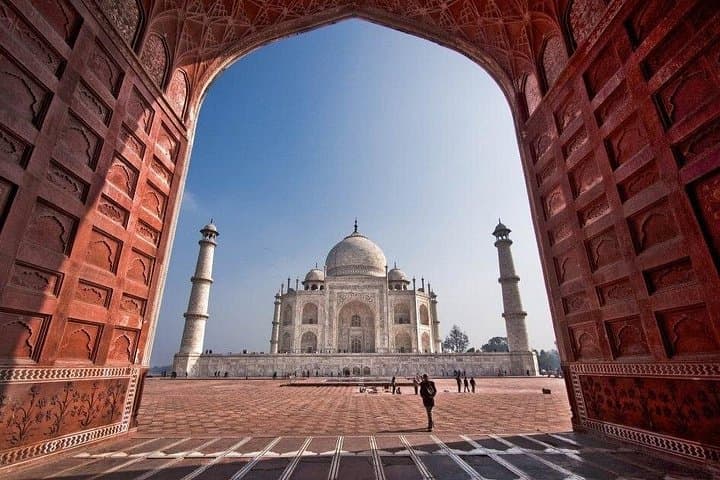
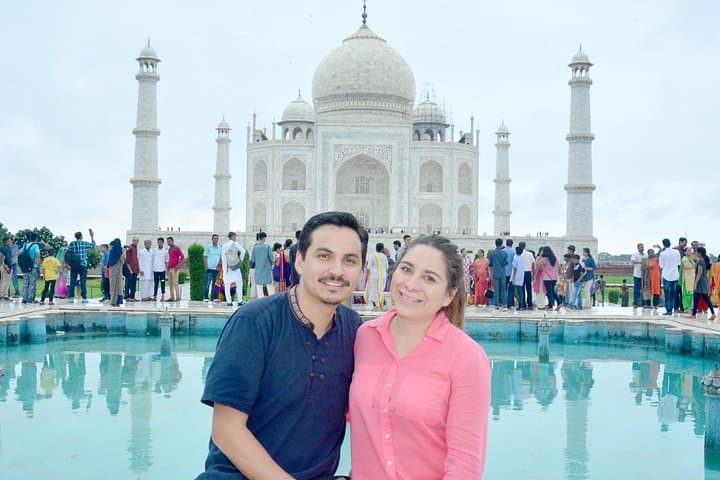
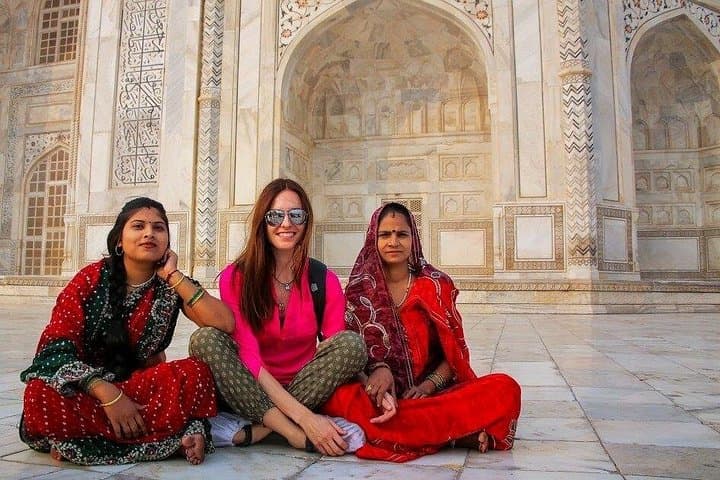
You leave Delhi before dawn, the city lights thinning as the highway unspools toward the Yamuna. The car hums along; your driver navigates sleepy towns while the horizon lightens. By the time you step onto the Taj Mahal esplanade, the white marble is changing color—pale gold, then pearly blue—while the river murmurs on the far side and the first light tests the mausoleum's symmetry.
Verified experiences and guided adventures in the surrounding area.
Operated by Travel India · Agra, Uttar Pradesh
You leave Delhi before dawn, the city lights thinning as the highway unspools toward the Yamuna. The car hums along; your driver navigates sleepy towns while the horizon lightens. By the time you step onto the Taj Mahal esplanade, the white marble is changing color—pale gold, then pearly blue—while the river murmurs on the far side and the first light tests the mausoleum's symmetry.
Built by Shah Jahan in the 17th century for Mumtaz Mahal, the Taj Mahal sits on Makrana marble that catches morning light. Nearby, Agra Fort’s red sandstone walls tell a different chapter of Mughal power, with courtyards and defensive bastions that frame city views. The geology—white marble and local sandstone—creates a sharp contrast visitors notice at once; the site’s UNESCO status reflects both cultural and architectural value.
Local culture here is pragmatic and hospitable: expect guides who mix historical detail with practical routing, and vendors lining the approach offering tea and snacks after your visit. Security checks, timed arrivals and shoe removal at certain gates are standard; modest dress shows respect inside the complex.
Practicalities: this is a long day—approximately 3 hours each way by car from Delhi—so plan for early pickup, light layers, sun protection and a charged camera. Confirm whether entrance tickets are included with your booking, keep ID handy for security, and budget time for lines even at sunrise. Hydrate before and during the visit; the quiet of the early hours rewards the early riser with clearer light and thinner crowds.
easy.
9–11 hours.
Suitable for travelers in average physical condition; involves short walks, stairs and standing during site tours.
Expect about 3 hours each way depending on traffic; the operator schedules an early pickup to arrive for sunrise.
Policies vary—confirm with your booking. Some listings include guide and transport but not monument entry fees.
The tour lists wheelchair accessibility; however, certain areas within the monuments have stairs and uneven surfaces—check specifics with the operator for assistance requirements.
Private guides commonly speak English; confirm at booking if you need another language or specialized historical commentary.
The Taj Mahal (completed 1653) and Agra Fort were central to Mughal court life; the fort preceded the mausoleum and served as an imperial residence and military base.
High visitor numbers put pressure on marble and nearby river ecosystems—follow site rules, avoid touching carved surfaces and use marked paths to limit wear.
Travel India operates guided outdoor trips and adventures with an emphasis on safety, stewardship, and memorable experiences.

You leave Delhi before dawn, the city lights thinning as the highway unspools toward the Yamuna. The car hums along; your driver navigates sleepy towns while the horizon lightens. By the time you step onto the Taj Mahal esplanade, the white marble is changing color—pale gold, then pearly blue—while the river murmurs on the far side and the first light tests the mausoleum's symmetry.
You leave Delhi before dawn, the city lights thinning as the highway unspools toward the Yamuna. The car hums along; your driver navigates sleepy towns while the horizon lightens. By the time you step onto the Taj Mahal esplanade, the white marble is changing color—pale gold, then pearly blue—while the river murmurs on the far side and the first light tests the mausoleum's symmetry.
Built by Shah Jahan in the 17th century for Mumtaz Mahal, the Taj Mahal sits on Makrana marble that catches morning light. Nearby, Agra Fort’s red sandstone walls tell a different chapter of Mughal power, with courtyards and defensive bastions that frame city views. The geology—white marble and local sandstone—creates a sharp contrast visitors notice at once; the site’s UNESCO status reflects both cultural and architectural value.
Local culture here is pragmatic and hospitable: expect guides who mix historical detail with practical routing, and vendors lining the approach offering tea and snacks after your visit. Security checks, timed arrivals and shoe removal at certain gates are standard; modest dress shows respect inside the complex.
Practicalities: this is a long day—approximately 3 hours each way by car from Delhi—so plan for early pickup, light layers, sun protection and a charged camera. Confirm whether entrance tickets are included with your booking, keep ID handy for security, and budget time for lines even at sunrise. Hydrate before and during the visit; the quiet of the early hours rewards the early riser with clearer light and thinner crowds.