THE ADVENTURE COLLECTIVE® · Independent discovery and booking for outdoor travel

Catch first light at the Taj Mahal and follow with guided visits to Agra Fort and the Baby Taj on a full-day private tour from New Delhi. Early starts mean softer light, smaller crowds, and a deeper sense of the monuments’ scale.
Catch first light at the Taj Mahal and follow with guided visits to Agra Fort and the Baby Taj on a full-day private tour from New Delhi. Early starts mean softer light, smaller crowds, and a deeper sense of the monuments’ scale.
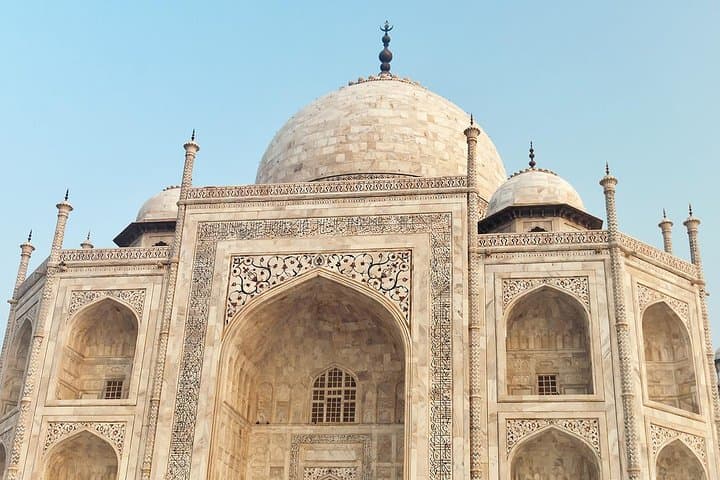
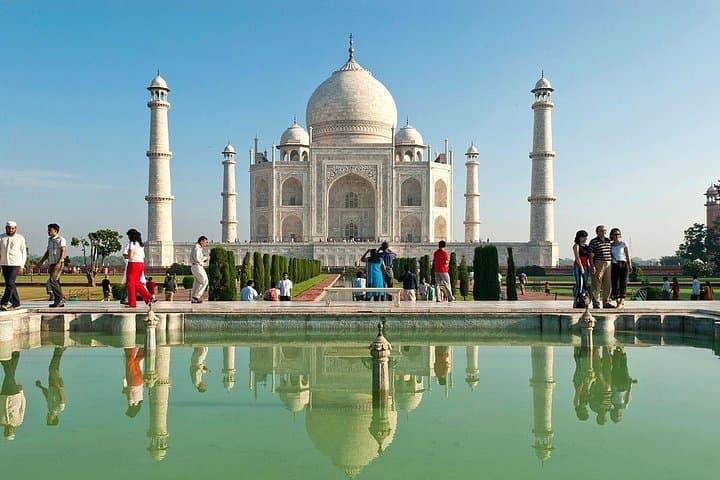
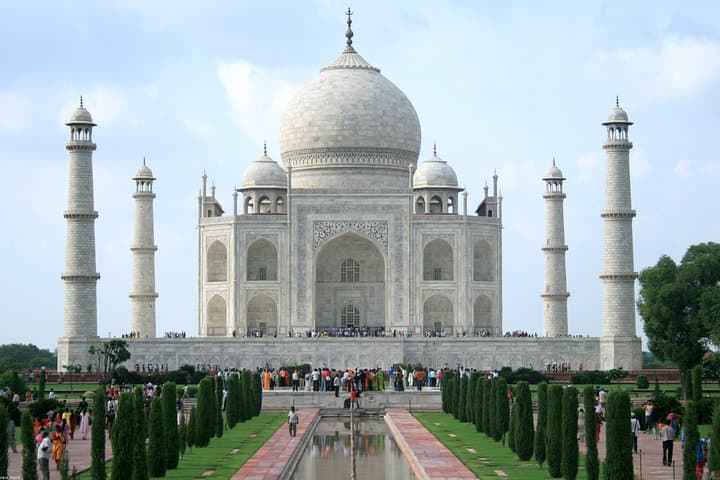
Before the sun lifts over the Yamuna, the white marble of the Taj Mahal shifts from cool alabaster to soft gold.
Verified experiences and guided adventures in the surrounding area.
Operated by Satkartar Tourist Taxi Service · Agra, Uttar Pradesh
Before the sun lifts over the Yamuna, the white marble of the Taj Mahal shifts from cool alabaster to soft gold.
You arrive by car from New Delhi, the highway unwinding behind you, and walk into a space where Mughal ambition meets precise geometry. The guide leads you through the main platform; light and shadow sketch calligraphy and pietra dura inlay as early visitors whisper and cameras click.
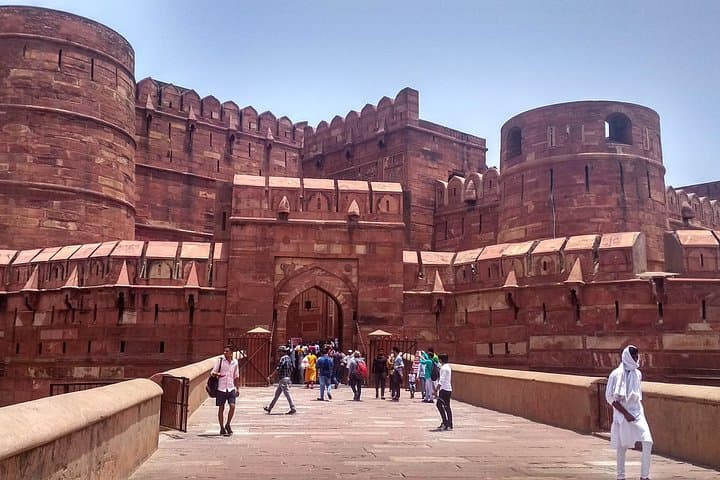
Agra’s architecture traces centuries of empire: the Taj (completed in the 1650s under Shah Jahan), the red-sandstone Agra Fort (a 16th-century military and royal complex), and the delicate Itmad-ud-Daula or “Baby Taj,” an intimate precursor of detailed tomb ornamentation. The river Yamuna, which once supported the city’s gardens and transportation, still cuts a quiet line beside these monuments.
Culturally, the day ripples into local craft workshops—marble inlay and stone carving that continue traditional techniques. Expect vendors and artisan clusters around the fort and bazaars selling inlayed marble, footwear, and sweets.
Practical guidance: choose the pre-dawn pickup to avoid mid-day heat and crowds; carry a printed or mobile ID for ticketing and a small amount of local currency for tips and purchases. Security checks are strict—large bags, tripods, and certain electronics can be restricted—so travel light. Wear comfortable walking shoes for packed stone paths and bring sun protection and water.
This is a long day (roughly 10–12 hours including transit) but it pairs sensory reward with tight historical context—an accessible, camera-ready immersion in Mughal Agra.
easy.
10–12 hours.
Suitable for most travelers with light walking ability; some standing and stair use at monuments.
No—Taj Mahal is closed every Friday for prayers; plan your tour on other days and confirm dates before booking.
Some tour options include entrance fees; check your booking choice—foreign and Indian/OCI fees differ and may require ID at the gate.
Typical drive time via the Yamuna Expressway is about 3 hours each way, subject to traffic and stops for rest or meals.
Infants may join (they must sit on laps); the tour advises against travel for guests with serious spinal or cardiovascular conditions and for pregnant travelers in some cases.
Agra rose to prominence under the Mughals; Shah Jahan commissioned the Taj in the 17th century as a mausoleum for Mumtaz Mahal, while Agra Fort predates it as a political stronghold.
High visitor numbers stress fragile marble and inlay work; follow local rules, avoid touching inlays, and support conservation-minded guides and licensed vendors.
Satkartar Tourist Taxi Service operates guided outdoor trips and adventures with an emphasis on safety, stewardship, and memorable experiences.
Before the sun lifts over the Yamuna, the white marble of the Taj Mahal shifts from cool alabaster to soft gold.
Before the sun lifts over the Yamuna, the white marble of the Taj Mahal shifts from cool alabaster to soft gold.
You arrive by car from New Delhi, the highway unwinding behind you, and walk into a space where Mughal ambition meets precise geometry. The guide leads you through the main platform; light and shadow sketch calligraphy and pietra dura inlay as early visitors whisper and cameras click.
Agra’s architecture traces centuries of empire: the Taj (completed in the 1650s under Shah Jahan), the red-sandstone Agra Fort (a 16th-century military and royal complex), and the delicate Itmad-ud-Daula or “Baby Taj,” an intimate precursor of detailed tomb ornamentation. The river Yamuna, which once supported the city’s gardens and transportation, still cuts a quiet line beside these monuments.
Culturally, the day ripples into local craft workshops—marble inlay and stone carving that continue traditional techniques. Expect vendors and artisan clusters around the fort and bazaars selling inlayed marble, footwear, and sweets.
Practical guidance: choose the pre-dawn pickup to avoid mid-day heat and crowds; carry a printed or mobile ID for ticketing and a small amount of local currency for tips and purchases. Security checks are strict—large bags, tripods, and certain electronics can be restricted—so travel light. Wear comfortable walking shoes for packed stone paths and bring sun protection and water.
This is a long day (roughly 10–12 hours including transit) but it pairs sensory reward with tight historical context—an accessible, camera-ready immersion in Mughal Agra.