THE ADVENTURE COLLECTIVE® · Independent discovery and booking for outdoor travel

See the Taj Mahal at sunrise, explore Agra Fort and wander the abandoned Mughal capital at Fatehpur Sikri on a relaxed private 2‑day itinerary. Ideal for photographers and history lovers seeking a focused, low‑stress cultural trip.
See the Taj Mahal at sunrise, explore Agra Fort and wander the abandoned Mughal capital at Fatehpur Sikri on a relaxed private 2‑day itinerary. Ideal for photographers and history lovers seeking a focused, low‑stress cultural trip.
The tour begins before dawn, on a quiet road toward Agra where the first light leans across the Yamuna and the Taj Mahal’s marble begins to glow. Visitors step from a private air‑conditioned car into cool, shadowed courtyards, camera in hand, as the mausoleum’s reflection sharpens in the forecourt pools and guides outline the story carved into its stone.
Verified experiences and guided adventures in the surrounding area.
Operated by Travel Creators Of India · Agra, Uttar Pradesh
The tour begins before dawn, on a quiet road toward Agra where the first light leans across the Yamuna and the Taj Mahal’s marble begins to glow. Visitors step from a private air‑conditioned car into cool, shadowed courtyards, camera in hand, as the mausoleum’s reflection sharpens in the forecourt pools and guides outline the story carved into its stone.
Built by Shah Jahan in the 17th century, the Taj is the high point of Mughal architecture: white Makrana marble set against red‑sandstone forts and imperial mosques. Agra Fort’s layered ramparts and chambered palaces reveal military planning and court life, while nearby Fatehpur Sikri—an abandoned imperial city—shows a deliberate blend of Persian, Hindu, and Central Asian influences in its courtyards and carved jali screens.
Expect low‑to‑moderate walking on paved and uneven surfaces, stair climbs in forts, and long, pictorial vistas framed by trees and river views. Cultural notes: modest dress is respectful in mosque areas, and bargaining remains part of local market culture if you visit bazaars.
Practical guidance: arrive for the sunrise slot to avoid crowds and midday heat; bring cash in INR for small purchases and monuments that may not accept cards; keep bottled water and sun protection handy; and allow 2 days for travel time plus traffic buffers to and from Delhi. Guides assist with tickets and logistics; the Taj is closed on Fridays, so plan accordingly. With one overnight in Agra, the itinerary balances early‑morning photography with measured exploration of Mughal capitals and practical comfort.
easy.
2 days.
Suitable for most travelers; requires walking on paved and uneven surfaces and climbing stairs.
The tour guide will assist with museum and monument ticket purchases, but entrance fees are typically paid separately—confirm at booking and carry cash, as some counters may not accept cards.
Yes—this private tour can be adjusted after booking to add or remove monuments; discuss preferences with the operator before travel.
No—the Taj Mahal is closed on Fridays; plan your itinerary to avoid that day for the sunrise visit.
Yes—hotel, airport, and railway station pickup and drop‑off in Delhi are included; provide flight or arrival details at booking for timing.
The Taj Mahal and Agra Fort are major Mughal-era constructions from the 16th–17th centuries, while Fatehpur Sikri served briefly as Shah Jahan’s imperial capital before being abandoned.
Conservation efforts limit visitor impact—closures for maintenance and restrictions on nearby industries aim to protect marble staining and the site’s structural integrity.
Travel Creators Of India operates guided outdoor trips and adventures with an emphasis on safety, stewardship, and memorable experiences.
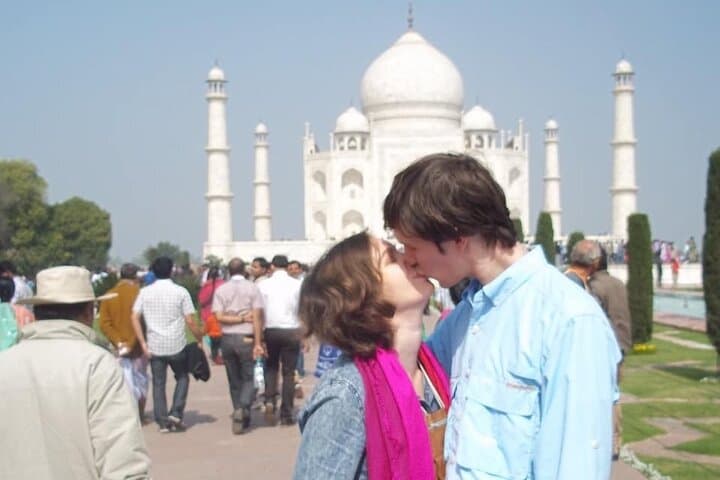
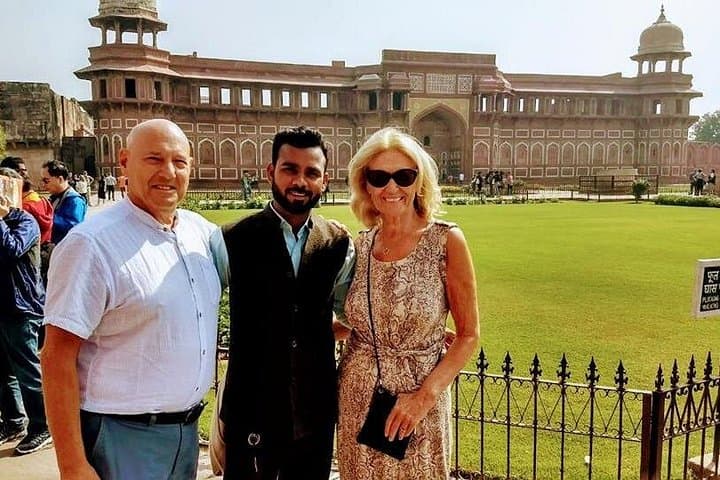
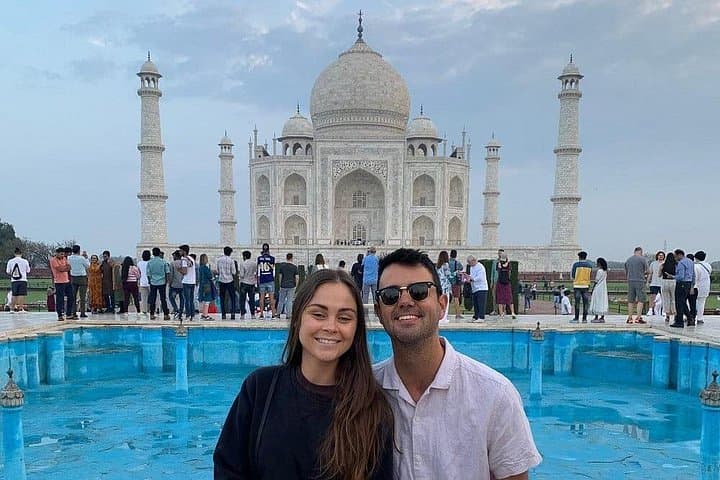
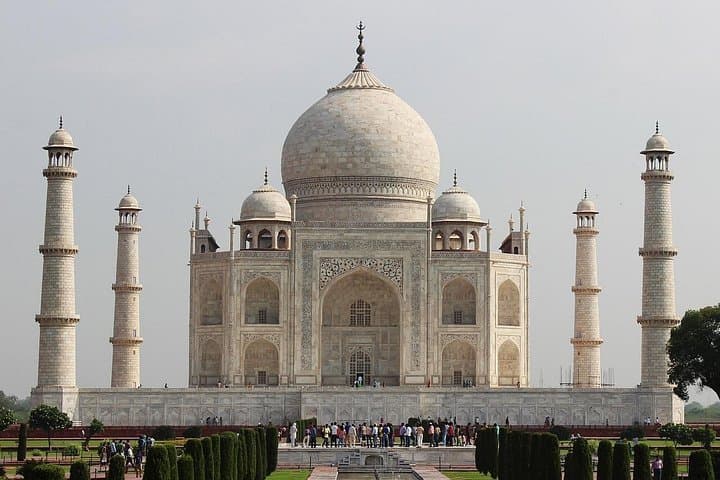
The tour begins before dawn, on a quiet road toward Agra where the first light leans across the Yamuna and the Taj Mahal’s marble begins to glow. Visitors step from a private air‑conditioned car into cool, shadowed courtyards, camera in hand, as the mausoleum’s reflection sharpens in the forecourt pools and guides outline the story carved into its stone.
The tour begins before dawn, on a quiet road toward Agra where the first light leans across the Yamuna and the Taj Mahal’s marble begins to glow. Visitors step from a private air‑conditioned car into cool, shadowed courtyards, camera in hand, as the mausoleum’s reflection sharpens in the forecourt pools and guides outline the story carved into its stone.
Built by Shah Jahan in the 17th century, the Taj is the high point of Mughal architecture: white Makrana marble set against red‑sandstone forts and imperial mosques. Agra Fort’s layered ramparts and chambered palaces reveal military planning and court life, while nearby Fatehpur Sikri—an abandoned imperial city—shows a deliberate blend of Persian, Hindu, and Central Asian influences in its courtyards and carved jali screens.
Expect low‑to‑moderate walking on paved and uneven surfaces, stair climbs in forts, and long, pictorial vistas framed by trees and river views. Cultural notes: modest dress is respectful in mosque areas, and bargaining remains part of local market culture if you visit bazaars.
Practical guidance: arrive for the sunrise slot to avoid crowds and midday heat; bring cash in INR for small purchases and monuments that may not accept cards; keep bottled water and sun protection handy; and allow 2 days for travel time plus traffic buffers to and from Delhi. Guides assist with tickets and logistics; the Taj is closed on Fridays, so plan accordingly. With one overnight in Agra, the itinerary balances early‑morning photography with measured exploration of Mughal capitals and practical comfort.