THE ADVENTURE COLLECTIVE® · Independent discovery and booking for outdoor travel

Climb Lion's Head at sunrise or sunset with Indigenous-guided insights into the mountain’s geology and local stories. This 3–4 hour guided hike mixes short exposed sections, panoramic views, and practical safety guidance.
Climb Lion's Head at sunrise or sunset with Indigenous-guided insights into the mountain’s geology and local stories. This 3–4 hour guided hike mixes short exposed sections, panoramic views, and practical safety guidance.
The trail begins in that grey hour when the city still yawns and the Atlantic pushes a cold breath inland. On a guided Lion's Head hike you move up a granite spine, the wind testing your jacket and the view unfolding in slabs — Cape Town, Table Mountain’s ridge, and Robben Island like a coin in the sea.
Verified experiences and guided adventures in the surrounding area.
Operated by TONYHILLTOP · Cape Town, Western Cape
The trail begins in that grey hour when the city still yawns and the Atlantic pushes a cold breath inland. On a guided Lion's Head hike you move up a granite spine, the wind testing your jacket and the view unfolding in slabs — Cape Town, Table Mountain’s ridge, and Robben Island like a coin in the sea.
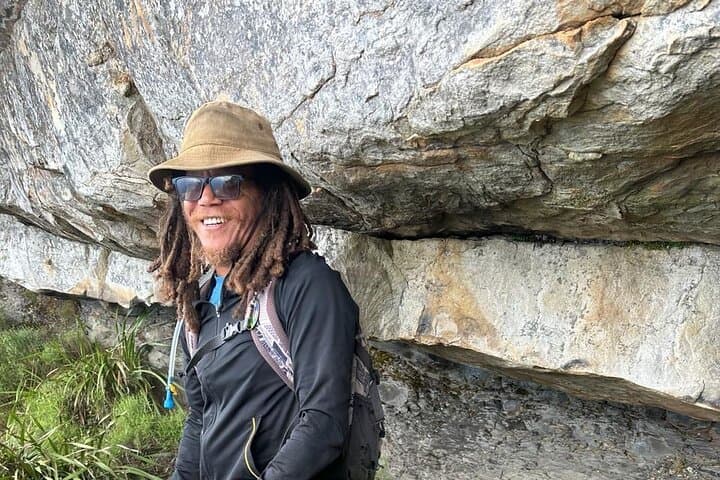
Lion's Head is geologically part of the Table Mountain group: resistant sandstone and Cape granite sculpted by millennia of wind and wave. The peak’s profile, viewed with Signal Hill, gave sailors a landmark long before the modern harbour — today guides weave Khoikhoi and colonial-era stories into the ascent.
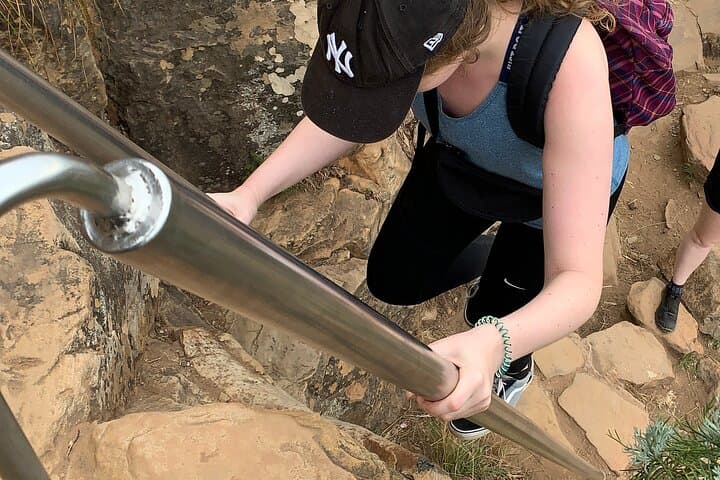
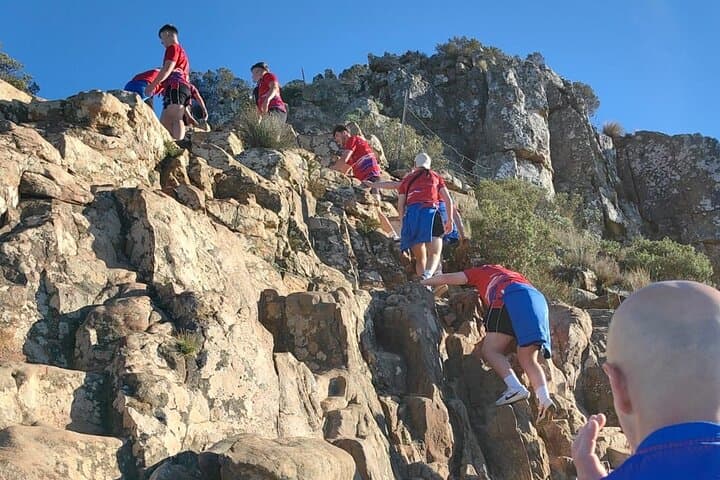
Culturally the hike doubles as a local conversation; indigenous guides point out plant uses and recent conservation efforts as you cross fynbos slopes. The route has short exposed sections with ladders and chains; where the rock narrows the mountain seems to push back and demand attention.
Practically: expect 3–4 hours round trip at a moderate pace. Early morning hikes require a headlamp and warm layers; sunset outings need careful footing on descent. Stay on the defined path to limit erosion, carry at least 1–1.5 L of water, and wear grippy trail shoes—many groups limit numbers to keep impact low.
At the summit pause for panoramic photos and a quiet minute — the ocean will feel like it's trying to drag your eyes outward. The guide will debrief, and you’ll walk back with the city rearranged beneath you, a clear sense of place and the geology that shaped it.
moderate.
3–4 hours.
Participants should have moderate cardiovascular fitness and comfortable on uneven terrain; able to handle short exposed scrambles.
The route is classed moderate: well-marked trails with short exposed sections and ladders. Good balance and no severe vertigo are helpful.
Beginners in reasonable shape can do it with a guide; inform the operator of concerns—alternate routes avoid ladders for those who prefer them.
Meeting point is the Lion's Head parking lot; the guided experience lasts about 3–4 hours including breaks and summit time.
Tours may be cancelled for bad weather; full refunds are available if cancelled at least 24 hours before departure per operator policy.
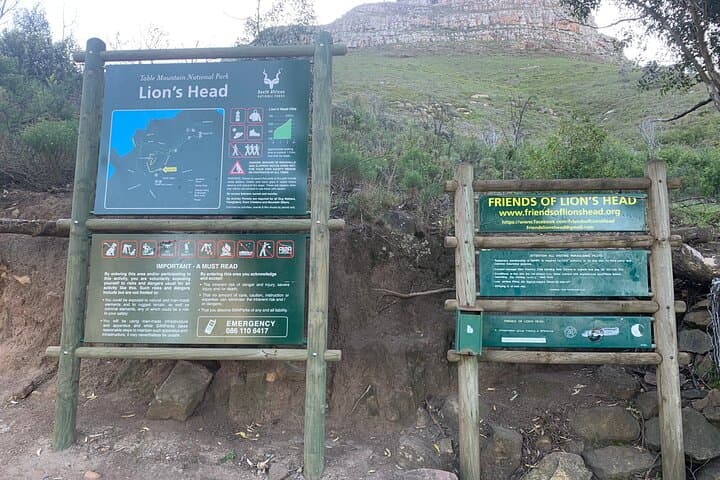
Lion's Head forms part of the Table Mountain chain and long served as a coastal landmark; its name comes from the paired silhouette with Signal Hill.
Erosion and invasive plants are active management concerns; staying on trail, packing out waste, and respecting guides helps protect fragile fynbos.
TONYHILLTOP operates guided outdoor trips and adventures with an emphasis on safety, stewardship, and memorable experiences.
The trail begins in that grey hour when the city still yawns and the Atlantic pushes a cold breath inland. On a guided Lion's Head hike you move up a granite spine, the wind testing your jacket and the view unfolding in slabs — Cape Town, Table Mountain’s ridge, and Robben Island like a coin in the sea.
The trail begins in that grey hour when the city still yawns and the Atlantic pushes a cold breath inland. On a guided Lion's Head hike you move up a granite spine, the wind testing your jacket and the view unfolding in slabs — Cape Town, Table Mountain’s ridge, and Robben Island like a coin in the sea.
Lion's Head is geologically part of the Table Mountain group: resistant sandstone and Cape granite sculpted by millennia of wind and wave. The peak’s profile, viewed with Signal Hill, gave sailors a landmark long before the modern harbour — today guides weave Khoikhoi and colonial-era stories into the ascent.
Culturally the hike doubles as a local conversation; indigenous guides point out plant uses and recent conservation efforts as you cross fynbos slopes. The route has short exposed sections with ladders and chains; where the rock narrows the mountain seems to push back and demand attention.
Practically: expect 3–4 hours round trip at a moderate pace. Early morning hikes require a headlamp and warm layers; sunset outings need careful footing on descent. Stay on the defined path to limit erosion, carry at least 1–1.5 L of water, and wear grippy trail shoes—many groups limit numbers to keep impact low.
At the summit pause for panoramic photos and a quiet minute — the ocean will feel like it's trying to drag your eyes outward. The guide will debrief, and you’ll walk back with the city rearranged beneath you, a clear sense of place and the geology that shaped it.