THE ADVENTURE COLLECTIVE® · Independent discovery and booking for outdoor travel

Glide across Lake Mutanda at sunrise or sunset for close-up views of the Virunga volcanoes, active birdlife and playful otters. This relaxed, four-hour canoe trek pairs scenic photography with cultural insight from lakeside communities.
Glide across Lake Mutanda at sunrise or sunset for close-up views of the Virunga volcanoes, active birdlife and playful otters. This relaxed, four-hour canoe trek pairs scenic photography with cultural insight from lakeside communities.
Dawn breaks over Lake Mutanda and the water answers like a slow, cool breath—ripples catching the first light as the Virunga peaks sharpen against the sky. Whether you slip into a wooden canoe at sunrise or drift at sunset, the lake frames volcanoes, farmland and wetlands in a single, moving panorama. Otters dart at the surface and waterbirds wheel, setting the rhythm for a gentle, four-hour excursion.
Verified experiences and guided adventures in the surrounding area.
Operated by Bamboo Ecotours · Kisoro, Kisoro District
Dawn breaks over Lake Mutanda and the water answers like a slow, cool breath—ripples catching the first light as the Virunga peaks sharpen against the sky. Whether you slip into a wooden canoe at sunrise or drift at sunset, the lake frames volcanoes, farmland and wetlands in a single, moving panorama. Otters dart at the surface and waterbirds wheel, setting the rhythm for a gentle, four-hour excursion.
Geologically, Mutanda is a shallow volcanic lake in Uganda’s western highlands, fed by mountain streams and bordered by fertile terraces farmed by Batwa and Bakiga communities for generations. The islands on the lake carry local stories—markers of settlement, ritual sites and old trade routes between highland villages.
Culturally, a paddle here reads like a quiet chapter of daily life: fishermen tending nets, farmers tending fields, and community guides sharing oral history about the Virunga chain. Conservation work focuses on wetland protection and balancing tourism with local livelihoods—visitors help support community enterprises when they book local departures.
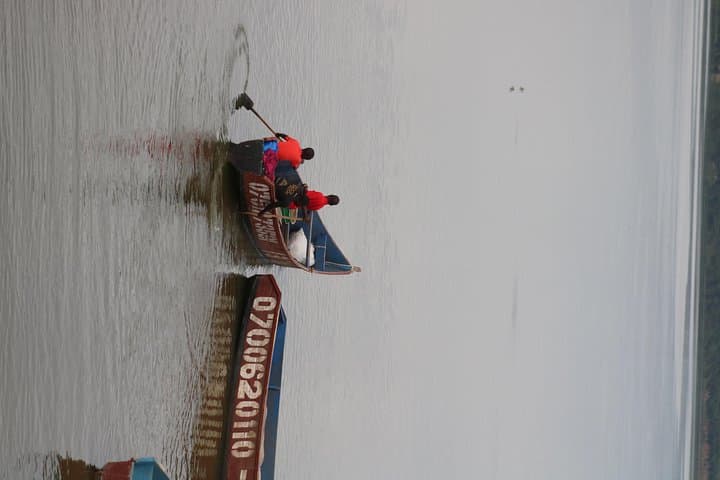
Practical guidance: tours run as either a sunrise canoe trek or a sunset cruise and last about four hours; the canoe is a wooden, engine-assisted craft so minimal paddling is required. Expect uneven boarding and damp decks—wear sturdy water shoes and bring a waterproof layer, sun protection and insect repellent. Morning trips are cooler with clearer mountain views; evenings offer softer light and active birdlife.
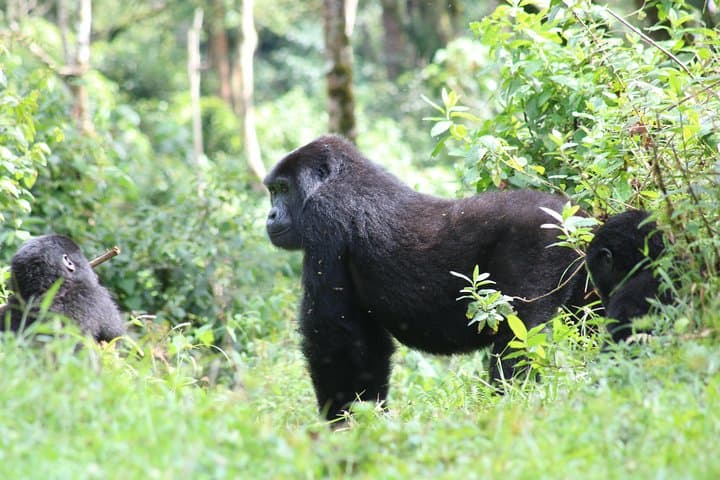
Timing your visit around the dry windows (June–August, December–February) improves visibility and comfort. The experience is accessible to most fitness levels and pairs well with gorilla treks in Bwindi or Mgahinga earlier in your itinerary.
easy.
4 hours.
Suitable for most fitness levels; minimal paddling required but basic balance and mobility for boarding are helpful.
Each sunrise or sunset session runs about four hours total, including boarding, cruising and a short stop at a historic island.
No—canoes are typically engine-assisted and guides handle navigation; participants should be able to step in and out and sit steadily.
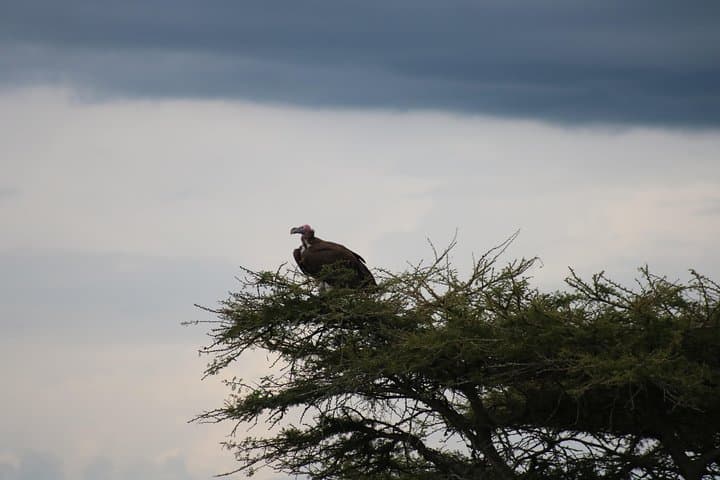
Common sightings include otters, kingfishers, herons and various waterfowl; mammals on shore are less frequent but possible at dawn or dusk.
Yes—Lake Mutanda is a popular add-on after gorilla treks in Bwindi or Mgahinga, and many visitors schedule canoeing the same or following day for a gentler contrast.
Lake Mutanda sits in a volcanic highland corridor used for centuries by Batwa and Bakiga communities; small islands served as seasonal camps and local landmarks.
Local groups emphasize wetland protection and community-led tourism to reduce pressure on fishing and maintain habitat for birds and otters.
Bamboo Ecotours operates guided outdoor trips and adventures with an emphasis on safety, stewardship, and memorable experiences.
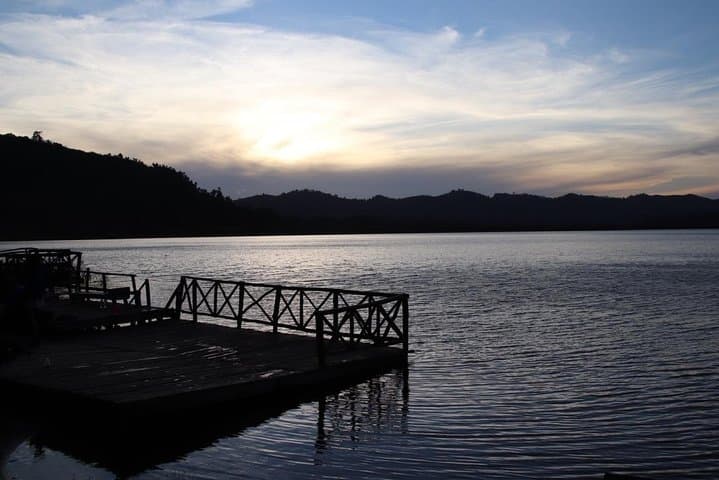
Dawn breaks over Lake Mutanda and the water answers like a slow, cool breath—ripples catching the first light as the Virunga peaks sharpen against the sky. Whether you slip into a wooden canoe at sunrise or drift at sunset, the lake frames volcanoes, farmland and wetlands in a single, moving panorama. Otters dart at the surface and waterbirds wheel, setting the rhythm for a gentle, four-hour excursion.
Dawn breaks over Lake Mutanda and the water answers like a slow, cool breath—ripples catching the first light as the Virunga peaks sharpen against the sky. Whether you slip into a wooden canoe at sunrise or drift at sunset, the lake frames volcanoes, farmland and wetlands in a single, moving panorama. Otters dart at the surface and waterbirds wheel, setting the rhythm for a gentle, four-hour excursion.
Geologically, Mutanda is a shallow volcanic lake in Uganda’s western highlands, fed by mountain streams and bordered by fertile terraces farmed by Batwa and Bakiga communities for generations. The islands on the lake carry local stories—markers of settlement, ritual sites and old trade routes between highland villages.
Culturally, a paddle here reads like a quiet chapter of daily life: fishermen tending nets, farmers tending fields, and community guides sharing oral history about the Virunga chain. Conservation work focuses on wetland protection and balancing tourism with local livelihoods—visitors help support community enterprises when they book local departures.
Practical guidance: tours run as either a sunrise canoe trek or a sunset cruise and last about four hours; the canoe is a wooden, engine-assisted craft so minimal paddling is required. Expect uneven boarding and damp decks—wear sturdy water shoes and bring a waterproof layer, sun protection and insect repellent. Morning trips are cooler with clearer mountain views; evenings offer softer light and active birdlife.
Timing your visit around the dry windows (June–August, December–February) improves visibility and comfort. The experience is accessible to most fitness levels and pairs well with gorilla treks in Bwindi or Mgahinga earlier in your itinerary.