THE ADVENTURE COLLECTIVE® · Independent discovery and booking for outdoor travel

Ride a camel along the Giza Plateau at sunrise or sunset and see the Great Pyramid, Khafre and Menkaure from camelback. This private, three-hour experience includes hotel pickup, private A/C transfers and bottled water—plan for separate entrance fees if you want to walk inside the core pyramid areas.
Ride a camel along the Giza Plateau at sunrise or sunset and see the Great Pyramid, Khafre and Menkaure from camelback. This private, three-hour experience includes hotel pickup, private A/C transfers and bottled water—plan for separate entrance fees if you want to walk inside the core pyramid areas.
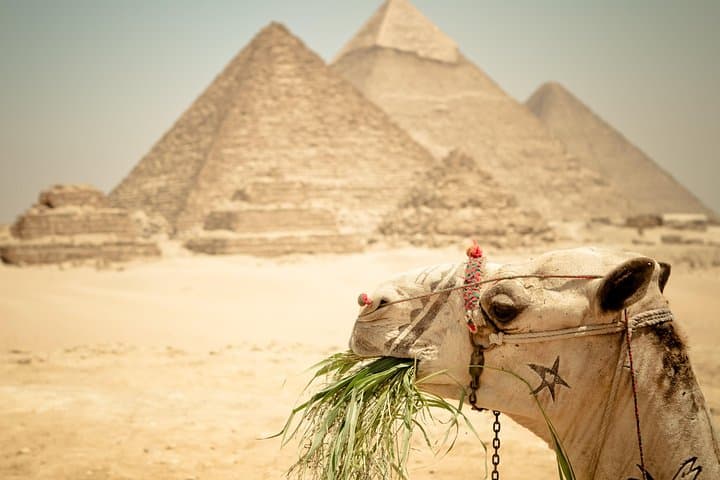
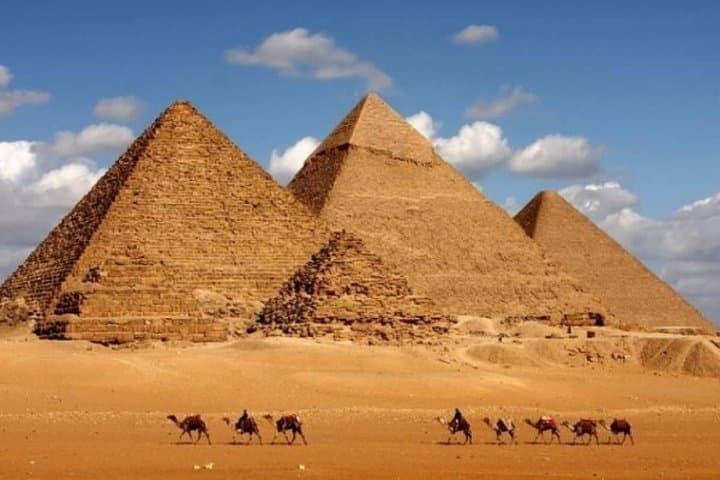
The desert light thins into gold as a single caravan crosses the Giza Plateau, camels stepping with slow, sure rhythm while the Great Pyramid cuts a sharp silhouette against sky. Whether you arrive at sunrise or stand with the last light at your back, the animals negotiate sand and shadow, and the stones—millennia-old—hold the heat of the day like a quiet, watchful companion.
Verified experiences and guided adventures in the surrounding area.
Operated by Emo Tours Egypt · Giza, Giza Governorate
The desert light thins into gold as a single caravan crosses the Giza Plateau, camels stepping with slow, sure rhythm while the Great Pyramid cuts a sharp silhouette against sky. Whether you arrive at sunrise or stand with the last light at your back, the animals negotiate sand and shadow, and the stones—millennia-old—hold the heat of the day like a quiet, watchful companion.
The Giza Necropolis dates to Egypt's Fourth Dynasty; the Great Pyramid, Khafre and Menkaure were built as royal tombs and remain among the world’s oldest monumental structures. The plateau itself sits on limestone bedrock; weathered blocks and ancient quarry scars tell a geological story of sea-floor uplift and human extraction. Culturally, the area continues to be shaped by local handlers and guides who maintain camel herds and guide visitors through the same plains that once supported workers and traders.
Practically, the advertised experience combines roughly one hour on camelback with private transfers, hotel pickup and bottled water, all within a three-hour window. Admission to the core pyramid area is typically separate, so expect to pay entrance fees on-site if you plan to enter the monuments. Wear closed-toe shoes for mounting, sun protection for long light exposure, and arrive with ID for checkpoint procedures. Note restrictions for pregnant guests or those with back or cardiovascular conditions; handlers will assist with saddling and dismounting but the ride requires mounting a 1.5–2 m tall animal.
Timing matters: sunrise reduces heat and crowds; sunset offers dramatic photos. Move deliberately, protect water and camera gear, and let the plateau's scale reshape your sense of time—this is sightseeing by animal pace, with hard stone history nearby.
easy.
3 hours.
Minimal fitness required — able to mount/dismount a camel and walk short distances; moderate mobility helpful.
The advertised camel ride portion is approximately one hour within a three-hour private tour that includes transfers and hotel pickup.
No — the listing notes that entry fees include the basic area only; interior access or special chambers may require separate tickets purchased on-site.
Yes — private hotel pickup and drop-off by air-conditioned vehicle are included in the tour package.
Children can join; infant seats are available for transfers, but the ride may be unsuitable for very young infants or anyone who cannot safely mount a camel.
The Giza Pyramids were constructed during Egypt’s Fourth Dynasty (c. 2600–2500 BCE) and functioned as royal tombs tied to state funerary and labor systems.
Visitor pressure and sand erosion affect fragile surfaces; stick to marked paths, avoid climbing monuments, and follow guides' instructions to reduce impact.
Emo Tours Egypt operates guided outdoor trips and adventures with an emphasis on safety, stewardship, and memorable experiences.
The desert light thins into gold as a single caravan crosses the Giza Plateau, camels stepping with slow, sure rhythm while the Great Pyramid cuts a sharp silhouette against sky. Whether you arrive at sunrise or stand with the last light at your back, the animals negotiate sand and shadow, and the stones—millennia-old—hold the heat of the day like a quiet, watchful companion.
The desert light thins into gold as a single caravan crosses the Giza Plateau, camels stepping with slow, sure rhythm while the Great Pyramid cuts a sharp silhouette against sky. Whether you arrive at sunrise or stand with the last light at your back, the animals negotiate sand and shadow, and the stones—millennia-old—hold the heat of the day like a quiet, watchful companion.
The Giza Necropolis dates to Egypt's Fourth Dynasty; the Great Pyramid, Khafre and Menkaure were built as royal tombs and remain among the world’s oldest monumental structures. The plateau itself sits on limestone bedrock; weathered blocks and ancient quarry scars tell a geological story of sea-floor uplift and human extraction. Culturally, the area continues to be shaped by local handlers and guides who maintain camel herds and guide visitors through the same plains that once supported workers and traders.
Practically, the advertised experience combines roughly one hour on camelback with private transfers, hotel pickup and bottled water, all within a three-hour window. Admission to the core pyramid area is typically separate, so expect to pay entrance fees on-site if you plan to enter the monuments. Wear closed-toe shoes for mounting, sun protection for long light exposure, and arrive with ID for checkpoint procedures. Note restrictions for pregnant guests or those with back or cardiovascular conditions; handlers will assist with saddling and dismounting but the ride requires mounting a 1.5–2 m tall animal.
Timing matters: sunrise reduces heat and crowds; sunset offers dramatic photos. Move deliberately, protect water and camera gear, and let the plateau's scale reshape your sense of time—this is sightseeing by animal pace, with hard stone history nearby.