THE ADVENTURE COLLECTIVE® · Independent discovery and booking for outdoor travel

Ride a camel along the Red Sea shoreline at sunrise or sunset—an easy 2–2.5 hour coastal trip that pairs quiet desert dunes with sweeping sea views. Practical tips on timing, gear and safety help you plan the ideal outing.
Ride a camel along the Red Sea shoreline at sunrise or sunset—an easy 2–2.5 hour coastal trip that pairs quiet desert dunes with sweeping sea views. Practical tips on timing, gear and safety help you plan the ideal outing.
You climb into the saddle at dawn, the coastline a low ribbon of light and the desert air crisp against your face. The camel shifts, patient and methodical, and the first pale fingers of sun set the dunes alight while the Red Sea holds a cool, blue horizon. Choose sunrise for a soft, cool ride or sunset when the heat drops and the sky burns orange.
Verified experiences and guided adventures in the surrounding area.
Operated by Nashaat · Hurghada, Red Sea Governorate
You climb into the saddle at dawn, the coastline a low ribbon of light and the desert air crisp against your face. The camel shifts, patient and methodical, and the first pale fingers of sun set the dunes alight while the Red Sea holds a cool, blue horizon. Choose sunrise for a soft, cool ride or sunset when the heat drops and the sky burns orange.
This stretch of coast where sand meets sea has long been used by Bedouin communities; camels were the original coastal transports. Geologically the terrain is young coastal desert—low dunes, compacted shore sand and occasional rocky outcrops—so elevation gain is negligible and the route stays near sea level. Culturally, guides often share brief Bedouin stories and tea on request, giving a human thread to the landscape.
Practically: expect about 2–2.5 hours total, with roughly 90–120 minutes on camelback covering 4–6 km at a slow, steady pace. An air-conditioned transfer from Hurghada is commonly included; riders should be ready for sun, wind and sand. Wear closed-toe shoes and long sleeves for sun protection, drink plenty of water, and avoid the activity if you have back problems or are pregnant. Photographers will find dramatic low-angle light; bring a strap for your camera—the camels move.
Choose a private or small-group booking to keep pace relaxed. Plan rides at cooler times of day, respect local guides and animals, and leave no trace on the fragile coastal dunes.
easy.
2–2.5 hours.
Minimal fitness required; able to mount/dismount and sit for up to two hours.
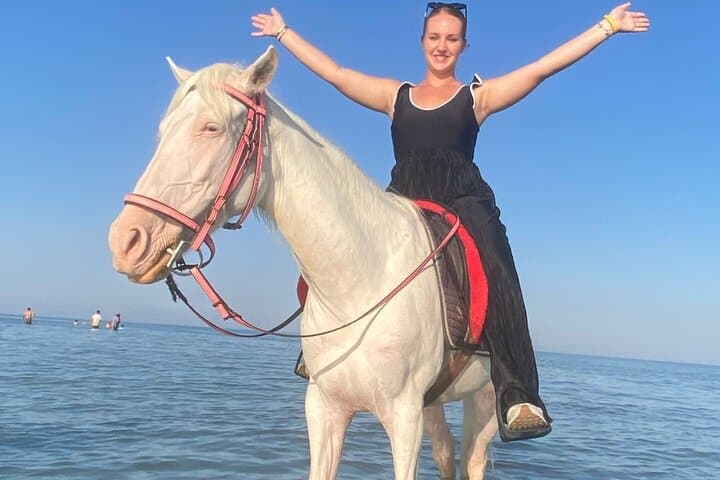
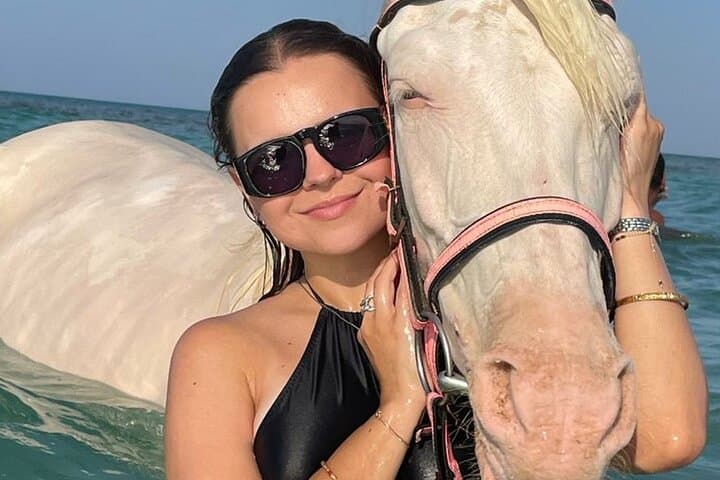
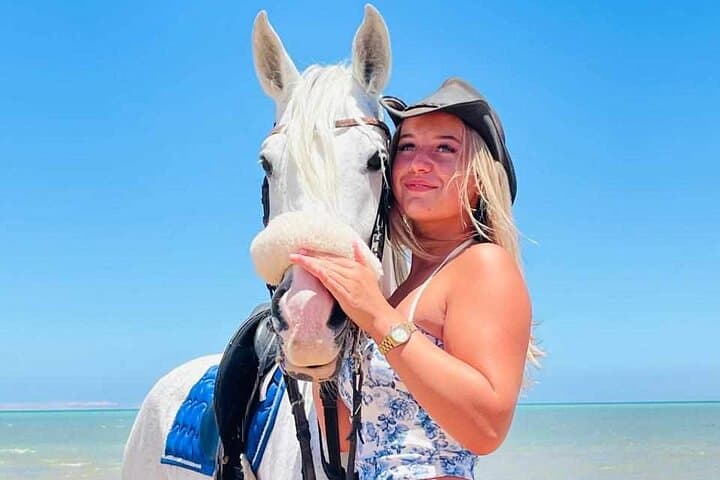
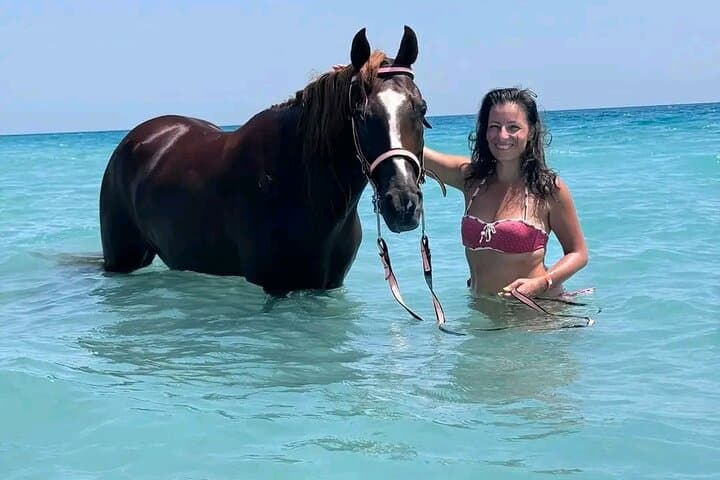
Despite the title, the experience is camel riding along coastal dunes; camels are the provided mounts for the trip.
Most operators include air-conditioned transfers from Hurghada; confirm pickup point and timing when booking.
Yes — many operators allow children but may require they sit with an adult and observe weight/age limits; check the booking form for specifics.
Full refund if canceled at least 24 hours before; not recommended for pregnant guests or people with serious back or heart conditions.
Camels and coastal crossings have been part of Red Sea trade and Bedouin life for centuries; modern Hurghada developed as a tourist port in the late 20th century.
Coastal dunes and beach habitats are fragile—stay on established routes, avoid trampling vegetation and pack out all trash to minimize impact.
Nashaat operates guided outdoor trips and adventures with an emphasis on safety, stewardship, and memorable experiences.
You climb into the saddle at dawn, the coastline a low ribbon of light and the desert air crisp against your face. The camel shifts, patient and methodical, and the first pale fingers of sun set the dunes alight while the Red Sea holds a cool, blue horizon. Choose sunrise for a soft, cool ride or sunset when the heat drops and the sky burns orange.
You climb into the saddle at dawn, the coastline a low ribbon of light and the desert air crisp against your face. The camel shifts, patient and methodical, and the first pale fingers of sun set the dunes alight while the Red Sea holds a cool, blue horizon. Choose sunrise for a soft, cool ride or sunset when the heat drops and the sky burns orange.
This stretch of coast where sand meets sea has long been used by Bedouin communities; camels were the original coastal transports. Geologically the terrain is young coastal desert—low dunes, compacted shore sand and occasional rocky outcrops—so elevation gain is negligible and the route stays near sea level. Culturally, guides often share brief Bedouin stories and tea on request, giving a human thread to the landscape.
Practically: expect about 2–2.5 hours total, with roughly 90–120 minutes on camelback covering 4–6 km at a slow, steady pace. An air-conditioned transfer from Hurghada is commonly included; riders should be ready for sun, wind and sand. Wear closed-toe shoes and long sleeves for sun protection, drink plenty of water, and avoid the activity if you have back problems or are pregnant. Photographers will find dramatic low-angle light; bring a strap for your camera—the camels move.
Choose a private or small-group booking to keep pace relaxed. Plan rides at cooler times of day, respect local guides and animals, and leave no trace on the fragile coastal dunes.