THE ADVENTURE COLLECTIVE® · Independent discovery and booking for outdoor travel

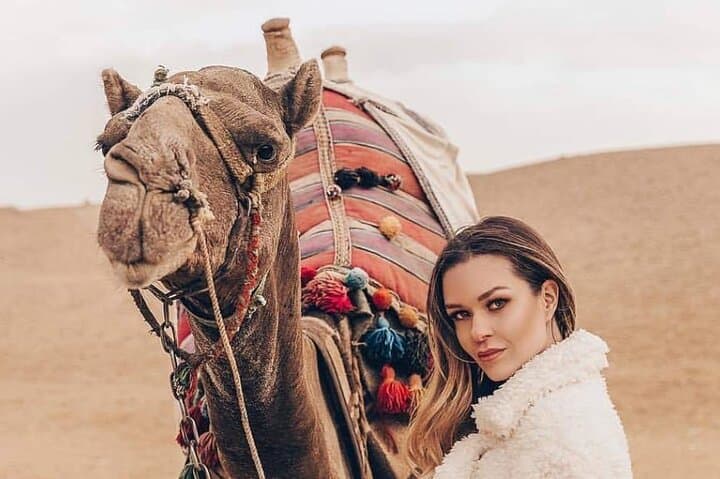
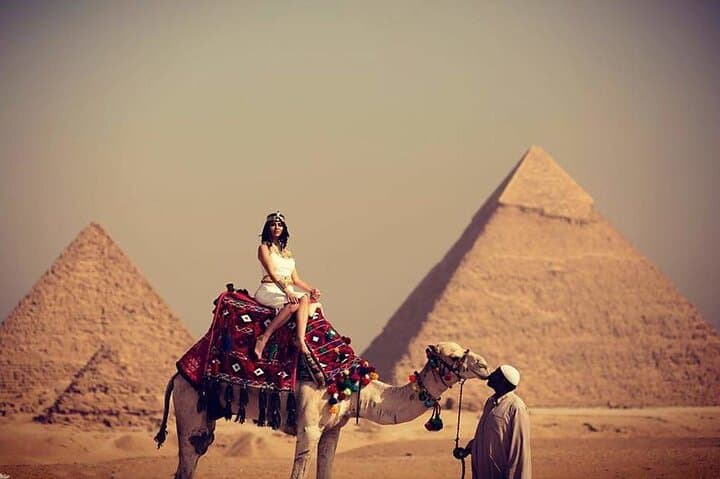
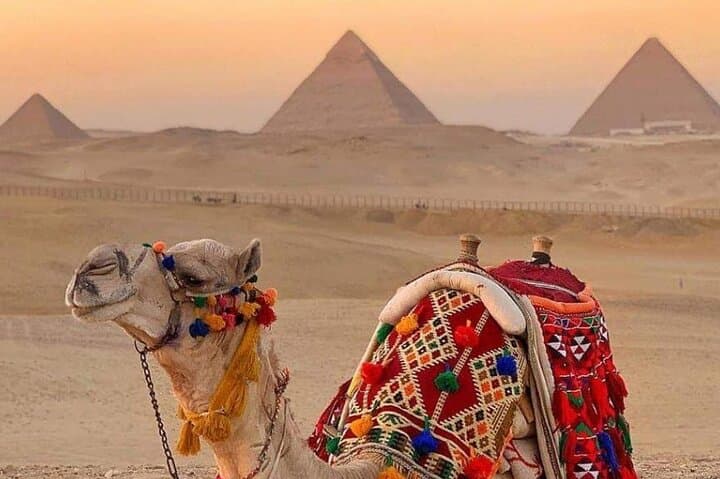
Ride a camel or horse on the Giza Plateau at sunrise or sunset for a one-hour journey through sand and shadow beneath the Great Pyramids. This private tour pairs close-up views of Khufu, Khafre and Menkaure with hotel transfers and a local guide.
Ride a camel or horse on the Giza Plateau at sunrise or sunset for a one-hour journey through sand and shadow beneath the Great Pyramids. This private tour pairs close-up views of Khufu, Khafre and Menkaure with hotel transfers and a local guide.
The first light slices across the Sahara and the stones of the Great Pyramid take on a slow, golden warmth. Riders mount camels and horses; tack creaks, hooves and padded feet press into sand, and the plateau opens like a stage. The three pyramids—Khufu, Khafre, and Menkaure—loom nearby, their silhouettes carving a skyline unchanged for millennia.
Verified experiences and guided adventures in the surrounding area.
Operated by This is Egypt Tours · Giza, Cairo Governorate
The first light slices across the Sahara and the stones of the Great Pyramid take on a slow, golden warmth. Riders mount camels and horses; tack creaks, hooves and padded feet press into sand, and the plateau opens like a stage. The three pyramids—Khufu, Khafre, and Menkaure—loom nearby, their silhouettes carving a skyline unchanged for millennia.
These monuments date to Egypt’s Old Kingdom (c. 2600–2500 BCE) and were once the tallest structures on Earth. The Giza Plateau is on limestone bedrock; wind and occasional sandstorms shape low dunes that frame the pyramids and expose ancient quarry scars. Local Bedouin and camel handlers maintain a living culture around the site, balancing tourist demand with traditional horsemanship.
Expect an hour in the saddle within a roughly 2–3 hour excursion that includes hotel transfers. Rides follow packed sand tracks rather than steep trails, so technical difficulty is low, but surfaces are uneven and sun exposure is constant. Operators typically provide bottled water and a private guide; pickups across greater Cairo may incur extra fees.
Practical tips: arrive at sunrise or an hour before sunset for softer light and cooler temperatures; bring closed-toe shoes, a brimmed hat, and sun protection; secure cameras with straps; and listen to handlers for mounting and dismounting. Respect marked areas—do not climb pyramids—and tip guides and handlers locally. The ride is straightforward but vivid: the desert wind dares you forward while the ancient stones keep a slow, steady watch.
easy.
2–3 hours.
Suitable for most fitness levels; balance and basic mobility help when mounting and dismounting
The on-saddle portion is about one hour; the full experience including pickup, transfers, and orientation is typically 2–3 hours.
No—this tour is suitable for beginners; handlers provide basic instructions and slow-paced mounts for less experienced riders.
The tour notes entrance fees are included, but access to pyramid interiors is restricted and may require additional tickets from the site.
Airport and distant pickups (Cairo Airport, New Administrative Capital, etc.) are possible but may incur extra charges—confirm at booking.
The Giza complex was built during Egypt’s Old Kingdom around 4,500 years ago; the pyramids served as royal tombs and symbols of state power.
Visitor foot traffic and vehicle access are managed to protect archaeological layers—stay on designated paths and avoid touching exposed masonry.
This is Egypt Tours operates guided outdoor trips and adventures with an emphasis on safety, stewardship, and memorable experiences.

The first light slices across the Sahara and the stones of the Great Pyramid take on a slow, golden warmth. Riders mount camels and horses; tack creaks, hooves and padded feet press into sand, and the plateau opens like a stage. The three pyramids—Khufu, Khafre, and Menkaure—loom nearby, their silhouettes carving a skyline unchanged for millennia.
The first light slices across the Sahara and the stones of the Great Pyramid take on a slow, golden warmth. Riders mount camels and horses; tack creaks, hooves and padded feet press into sand, and the plateau opens like a stage. The three pyramids—Khufu, Khafre, and Menkaure—loom nearby, their silhouettes carving a skyline unchanged for millennia.
These monuments date to Egypt’s Old Kingdom (c. 2600–2500 BCE) and were once the tallest structures on Earth. The Giza Plateau is on limestone bedrock; wind and occasional sandstorms shape low dunes that frame the pyramids and expose ancient quarry scars. Local Bedouin and camel handlers maintain a living culture around the site, balancing tourist demand with traditional horsemanship.
Expect an hour in the saddle within a roughly 2–3 hour excursion that includes hotel transfers. Rides follow packed sand tracks rather than steep trails, so technical difficulty is low, but surfaces are uneven and sun exposure is constant. Operators typically provide bottled water and a private guide; pickups across greater Cairo may incur extra fees.
Practical tips: arrive at sunrise or an hour before sunset for softer light and cooler temperatures; bring closed-toe shoes, a brimmed hat, and sun protection; secure cameras with straps; and listen to handlers for mounting and dismounting. Respect marked areas—do not climb pyramids—and tip guides and handlers locally. The ride is straightforward but vivid: the desert wind dares you forward while the ancient stones keep a slow, steady watch.