THE ADVENTURE COLLECTIVE® · Independent discovery and booking for outdoor travel

Paddle out from Posto 6 at Copacabana for a calm, instructor-led stand up paddle that puts Sugarloaf and Christ the Redeemer on the horizon. Ideal at sunrise for glassy water and unobstructed views, the two-hour outing is beginner-friendly with certified guides and all gear provided.
Paddle out from Posto 6 at Copacabana for a calm, instructor-led stand up paddle that puts Sugarloaf and Christ the Redeemer on the horizon. Ideal at sunrise for glassy water and unobstructed views, the two-hour outing is beginner-friendly with certified guides and all gear provided.
Before dawn the ocean is a sheet of ink and Copacabana’s promenade is a dark wave of mosaic tiles. You meet the instructors at Posto 6, next to the low, squat walls of Fort Copacabana, and carry boards down to water that barely stirs. The first strokes are quiet; the Atlantic seems to be daring you forward as Sugarloaf and Christ the Redeemer silhouette the skyline.
Verified experiences and guided adventures in the surrounding area.
Operated by Carioca Experience - Nascer do Sol de Stand Up Paddle em Copacabana · Rio de Janeiro, Rio de Janeiro
Before dawn the ocean is a sheet of ink and Copacabana’s promenade is a dark wave of mosaic tiles. You meet the instructors at Posto 6, next to the low, squat walls of Fort Copacabana, and carry boards down to water that barely stirs. The first strokes are quiet; the Atlantic seems to be daring you forward as Sugarloaf and Christ the Redeemer silhouette the skyline.
This stretch of sand grew into Rio’s most famous beach in the early 20th century, and the Copacabana Fort—an early-century coastal battery—keeps watch at the south end. Geologically the coastline frames the city: granite and gneiss outcrops at nearby Arpoador and Sugarloaf rise from an older bedrock, while the beach itself is a broad, gently sloping sandy shelf that softens incoming swell.
The activity is social and safe: certified instructors, life jackets, and simple technique coaching make it accessible to most people with moderate fitness. Sunrise trips focus on calm water and light; daytime paddles suit photographers and swimmers. Expect city noise to fade as you paddle away, seabirds calling and small fish skittering beneath the board.
Practical guidance: arrive 15–30 minutes early for check-in and gear: SUP, paddle, and life jacket are provided. Watch the flag system and listen to instructors about currents — rip near the rocks can be deceptively strong. Bring reef-style water shoes, reef-safe sunscreen, and a small waterproof pouch for your phone. Early mornings are cooler and glassier; midday brings wind. With two hours on the water, the tour balances relaxation and a real sense of place on one of the planet’s most iconic urban beaches.
moderate.
2 hours.
Moderate fitness — able to stand and paddle for short bursts and recover; suitable for beginners with basic balance.
No — the tour is designed for beginners with certified instructors teaching basic strokes, balance, and safety before you enter the water.
Tours are canceled in adverse conditions for safety; the operator usually issues a full refund if you cancel at least 24 hours before the start time.
Meet at Posto 6 near Fort Copacabana; the area is well served by buses and the metro (Cardeal Arcoverde station is a short walk), plus many rideshare options.
Yes — the operator supplies the stand up paddle board, paddle, life jacket, and an identification wristband; bring your own footwear and sun protection.
Copacabana became Rio’s defining urban beach in the 20th century; Fort Copacabana is an early-20th-century coastal battery that now hosts cultural exhibits.
Local beach groups run cleanups and there’s growing emphasis on reef-safe products and reducing single-use plastics to protect shoreline habitats.
Carioca Experience - Nascer do Sol de Stand Up Paddle em Copacabana operates guided outdoor trips and adventures with an emphasis on safety, stewardship, and memorable experiences.
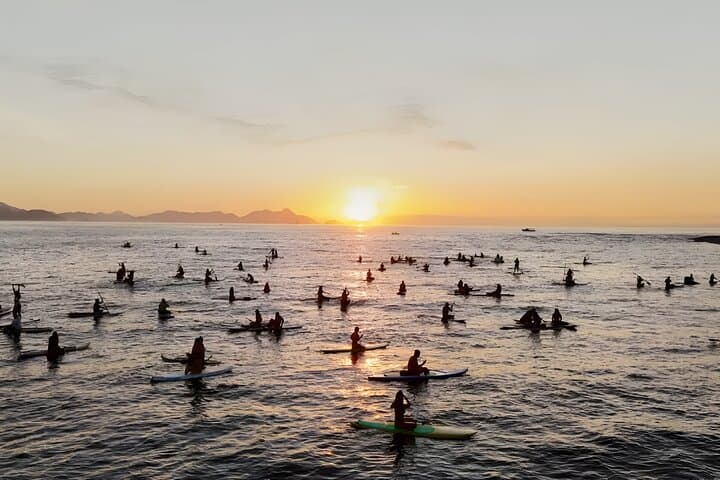


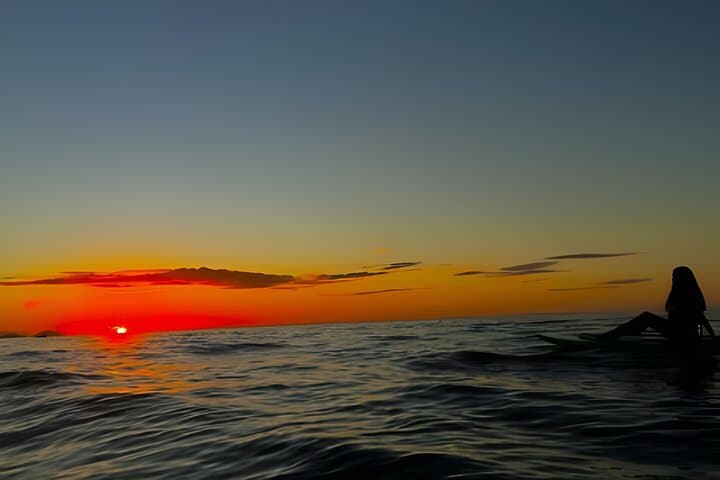
Before dawn the ocean is a sheet of ink and Copacabana’s promenade is a dark wave of mosaic tiles. You meet the instructors at Posto 6, next to the low, squat walls of Fort Copacabana, and carry boards down to water that barely stirs. The first strokes are quiet; the Atlantic seems to be daring you forward as Sugarloaf and Christ the Redeemer silhouette the skyline.
Before dawn the ocean is a sheet of ink and Copacabana’s promenade is a dark wave of mosaic tiles. You meet the instructors at Posto 6, next to the low, squat walls of Fort Copacabana, and carry boards down to water that barely stirs. The first strokes are quiet; the Atlantic seems to be daring you forward as Sugarloaf and Christ the Redeemer silhouette the skyline.
This stretch of sand grew into Rio’s most famous beach in the early 20th century, and the Copacabana Fort—an early-century coastal battery—keeps watch at the south end. Geologically the coastline frames the city: granite and gneiss outcrops at nearby Arpoador and Sugarloaf rise from an older bedrock, while the beach itself is a broad, gently sloping sandy shelf that softens incoming swell.
The activity is social and safe: certified instructors, life jackets, and simple technique coaching make it accessible to most people with moderate fitness. Sunrise trips focus on calm water and light; daytime paddles suit photographers and swimmers. Expect city noise to fade as you paddle away, seabirds calling and small fish skittering beneath the board.
Practical guidance: arrive 15–30 minutes early for check-in and gear: SUP, paddle, and life jacket are provided. Watch the flag system and listen to instructors about currents — rip near the rocks can be deceptively strong. Bring reef-style water shoes, reef-safe sunscreen, and a small waterproof pouch for your phone. Early mornings are cooler and glassier; midday brings wind. With two hours on the water, the tour balances relaxation and a real sense of place on one of the planet’s most iconic urban beaches.