THE ADVENTURE COLLECTIVE® · Independent discovery and booking for outdoor travel

Watch mist lift off Sorabora Lake on a tranquil sunrise boat ride, learn traditional fishing techniques at a bustling lakeside market, and enjoy a fresh local breakfast by the water. This short tour pairs easy trekking with an authentic glimpse into Uva’s freshwater fishing culture.
Watch mist lift off Sorabora Lake on a tranquil sunrise boat ride, learn traditional fishing techniques at a bustling lakeside market, and enjoy a fresh local breakfast by the water. This short tour pairs easy trekking with an authentic glimpse into Uva’s freshwater fishing culture.
You step onto a low-slung wooden boat as the first light pries the night from the hills. Mist lifts in thin ribbons above Sorabora Lake while oars whisper and the shoreline slowly sharpens—paddy edges, reed beds, a line of coconut palms. The lake keeps its own tempo: calm now, industrious soon when fishermen haul nets and the fish market comes alive.
Verified experiences and guided adventures in the surrounding area.
Operated by Beyond Escapes · Buttala, Uva Province
You step onto a low-slung wooden boat as the first light pries the night from the hills. Mist lifts in thin ribbons above Sorabora Lake while oars whisper and the shoreline slowly sharpens—paddy edges, reed beds, a line of coconut palms. The lake keeps its own tempo: calm now, industrious soon when fishermen haul nets and the fish market comes alive.
Sorabora sits in Sri Lanka’s Uva Province and functions both as a working reservoir and a community lifeline. Its shallow basin and terraced banks reflect the island’s long tradition of irrigation and small-scale freshwater fishing, practices shaped by colonial-era land patterns and earlier dry-zone water management techniques. Geologically the basin collects runoff from nearby low hills; soils are red-brown loam that feed rice paddies and support wetland plants that fringe the water.
Culturally the morning revolves around the catch—local fishers using seine nets and bamboo traps, traders sorting species at a lakeside market, and families gathering for a simple breakfast of fresh fish, coconut, and rice. Conversations are direct; bartering is part custom, part ritual.
Practical guidance: arrive before sunrise for the soft light and cooler air, bring a light waterproof layer against spray and mist, and wear sturdy, water-resistant shoes for the short lakeside trek. Expect easy walking on uneven ground and brief boat rides in traditional crafts; the experience suits most fitness levels. Respect fishermen’s space, ask before photographing, and buy a lakeside breakfast to support the local economy. The reward is intimate, quiet hours at water’s edge and a direct look at living lake culture.
easy.
2–3 hours.
Suitable for most fitness levels—short walks and calm boat rides; able-bodied mobility recommended for boarding small boats.
Yes—most bookings include hotel pickup and drop-off by air-conditioned vehicle; confirm your pickup point when you book.
Yes—the tour is family-friendly, but children should be supervised when boarding and near the water.
You can observe and often try traditional techniques under guidance, but catch-and-take policies vary—ask the guide beforehand.
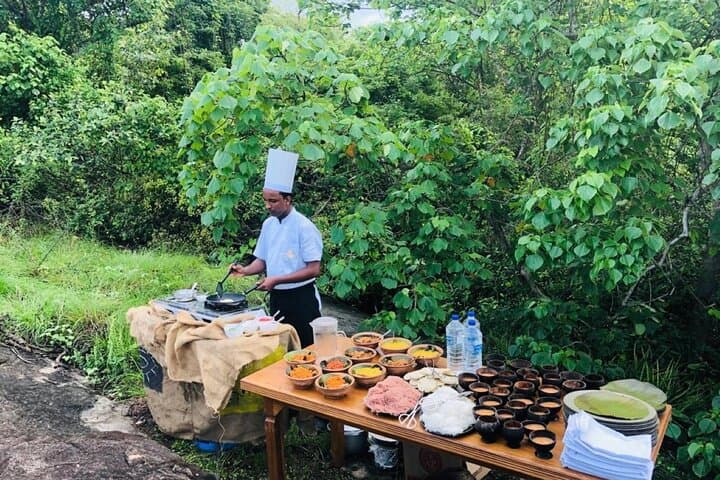
Expect a simple meal of locally prepared fish, rice or hoppers, fresh coconut, and tea—notify the operator of dietary restrictions ahead of time.
Sorabora functions as a local reservoir tied to centuries of dry-zone irrigation and small-scale fishing traditions that shaped village economies in Uva Province.
Visitors should avoid single-use plastics, stay on established paths, and purchase local food to support sustainable livelihoods and reduce pressure on fish stocks.
Beyond Escapes operates guided outdoor trips and adventures with an emphasis on safety, stewardship, and memorable experiences.
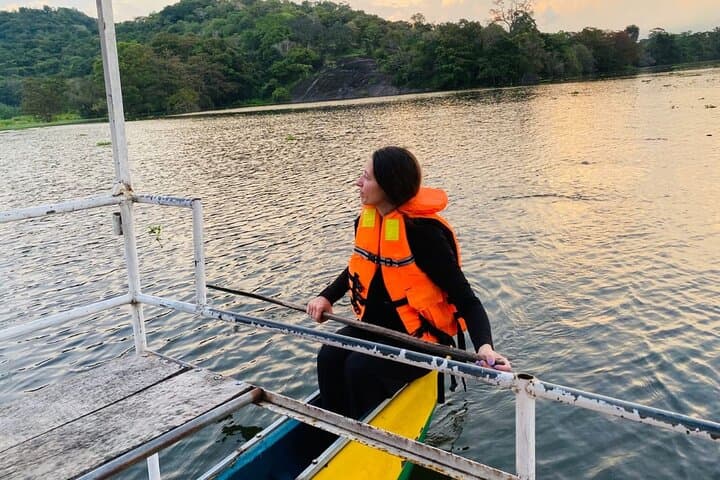


You step onto a low-slung wooden boat as the first light pries the night from the hills. Mist lifts in thin ribbons above Sorabora Lake while oars whisper and the shoreline slowly sharpens—paddy edges, reed beds, a line of coconut palms. The lake keeps its own tempo: calm now, industrious soon when fishermen haul nets and the fish market comes alive.
You step onto a low-slung wooden boat as the first light pries the night from the hills. Mist lifts in thin ribbons above Sorabora Lake while oars whisper and the shoreline slowly sharpens—paddy edges, reed beds, a line of coconut palms. The lake keeps its own tempo: calm now, industrious soon when fishermen haul nets and the fish market comes alive.
Sorabora sits in Sri Lanka’s Uva Province and functions both as a working reservoir and a community lifeline. Its shallow basin and terraced banks reflect the island’s long tradition of irrigation and small-scale freshwater fishing, practices shaped by colonial-era land patterns and earlier dry-zone water management techniques. Geologically the basin collects runoff from nearby low hills; soils are red-brown loam that feed rice paddies and support wetland plants that fringe the water.
Culturally the morning revolves around the catch—local fishers using seine nets and bamboo traps, traders sorting species at a lakeside market, and families gathering for a simple breakfast of fresh fish, coconut, and rice. Conversations are direct; bartering is part custom, part ritual.
Practical guidance: arrive before sunrise for the soft light and cooler air, bring a light waterproof layer against spray and mist, and wear sturdy, water-resistant shoes for the short lakeside trek. Expect easy walking on uneven ground and brief boat rides in traditional crafts; the experience suits most fitness levels. Respect fishermen’s space, ask before photographing, and buy a lakeside breakfast to support the local economy. The reward is intimate, quiet hours at water’s edge and a direct look at living lake culture.