THE ADVENTURE COLLECTIVE® · Independent discovery and booking for outdoor travel

Lift off at dawn above the Dubai Desert Conservation Reserve for a 40–70 minute balloon flight that pairs sunrise light with chances to spot Arabian oryx, gazelles, and roaming camels. Expect an early pickup, a safety briefing, and a full morning of desert views and cultural touches.
Lift off at dawn above the Dubai Desert Conservation Reserve for a 40–70 minute balloon flight that pairs sunrise light with chances to spot Arabian oryx, gazelles, and roaming camels. Expect an early pickup, a safety briefing, and a full morning of desert views and cultural touches.
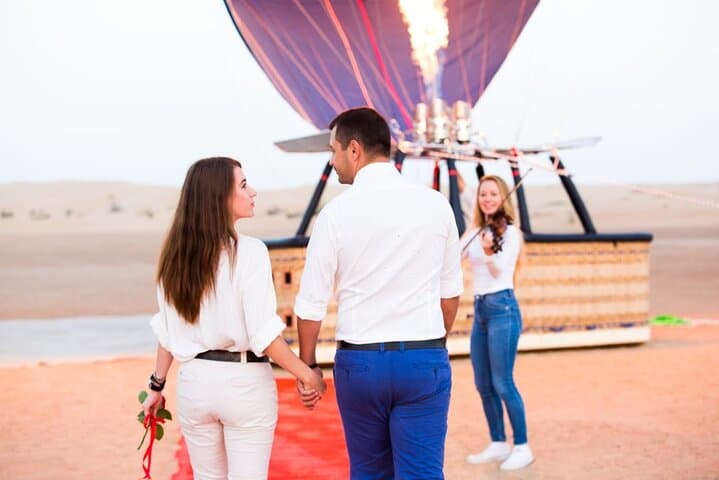
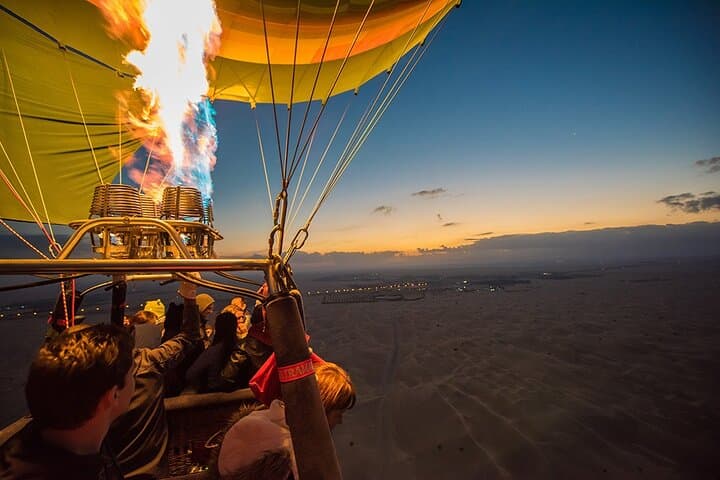
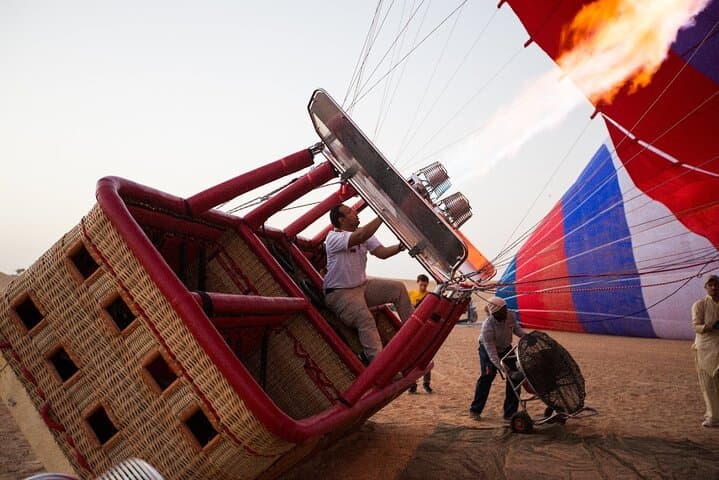
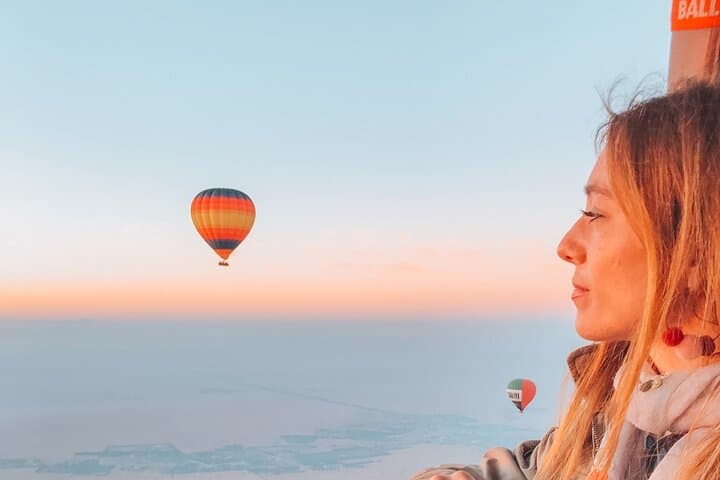
Before the sun clears the horizon, you roll out of a waiting van and step onto a frost-cooled patch of desert. The burners breathe; the balloon fills like a slow exhale. As the basket lifts, the dunes beneath become a movable landscape—ridges catching light, shadows tightening, and a lone camel tracing a dark line across pale sand.
Verified experiences and guided adventures in the surrounding area.
Operated by Dubai Egypt Travel · Dubai, Dubai
Before the sun clears the horizon, you roll out of a waiting van and step onto a frost-cooled patch of desert. The burners breathe; the balloon fills like a slow exhale. As the basket lifts, the dunes beneath become a movable landscape—ridges catching light, shadows tightening, and a lone camel tracing a dark line across pale sand.
The flight typically launches from the Dubai Desert Conservation Reserve, an area set aside in the mid-1990s to protect native species and traditional Bedouin lands. Geologically the scene is young sand—wind-sculpted ridges and salt flats that fade toward the Hajjar Mountains to the east. Culturally the experience nods to centuries of desert travel: falcon photography and post-flight Arabic coffee tie the modern spectacle back to local customs.
Practical guidance: flights are at dawn and last around 40–70 minutes, but expect a full 4–5 hour excursion including transfers and briefing. Dress in layered, breathable clothing—mornings can be chilly then warm quickly. Cameras with medium telephoto zooms capture oryx, gazelles, and distant mountain silhouettes; secure gear with a strap. Operators manage takeoff and landing; no piloting skills needed, but mobility to step into a 1.2m-high basket rim is required.
Safety and conservation are emphasized: flights pause in high winds or heat; respect wildlife by keeping noise low and following crew instructions. For a short window each morning, the desert offers a quiet, expansive vantage that both humbles and rewards—an aerial introduction to the UAE’s wild sand country.
easy.
4–5 hours total (40–70 minute flight).
Suitable for most fitness levels; you should be able to step in/out of a low basket and stand for the flight.
The airborne portion is usually 40–70 minutes depending on conditions; the full tour lasts about 4–5 hours including transfers and briefing.
Most operators permit children and provide infant seats; check the operator’s age or weight restrictions at booking.
Flights are canceled for high winds or poor visibility; operators typically offer a full refund or rescheduling if canceled 24+ hours in advance due to weather.
Yes—Arabian oryx, sand gazelles, and camels are commonly seen, though sightings depend on season, time, and where the balloon drifts.
The Dubai Desert Conservation Reserve was established in the 1990s to protect native species and preserve traditional desert lands, reflecting a modern conservation push in a rapidly developing region.
Operators work under reserve guidelines—flights are limited in number to reduce disturbance; visitors should follow leave-no-trace practices and avoid feeding wildlife.
Dubai Egypt Travel operates guided outdoor trips and adventures with an emphasis on safety, stewardship, and memorable experiences.
Before the sun clears the horizon, you roll out of a waiting van and step onto a frost-cooled patch of desert. The burners breathe; the balloon fills like a slow exhale. As the basket lifts, the dunes beneath become a movable landscape—ridges catching light, shadows tightening, and a lone camel tracing a dark line across pale sand.
Before the sun clears the horizon, you roll out of a waiting van and step onto a frost-cooled patch of desert. The burners breathe; the balloon fills like a slow exhale. As the basket lifts, the dunes beneath become a movable landscape—ridges catching light, shadows tightening, and a lone camel tracing a dark line across pale sand.
The flight typically launches from the Dubai Desert Conservation Reserve, an area set aside in the mid-1990s to protect native species and traditional Bedouin lands. Geologically the scene is young sand—wind-sculpted ridges and salt flats that fade toward the Hajjar Mountains to the east. Culturally the experience nods to centuries of desert travel: falcon photography and post-flight Arabic coffee tie the modern spectacle back to local customs.
Practical guidance: flights are at dawn and last around 40–70 minutes, but expect a full 4–5 hour excursion including transfers and briefing. Dress in layered, breathable clothing—mornings can be chilly then warm quickly. Cameras with medium telephoto zooms capture oryx, gazelles, and distant mountain silhouettes; secure gear with a strap. Operators manage takeoff and landing; no piloting skills needed, but mobility to step into a 1.2m-high basket rim is required.
Safety and conservation are emphasized: flights pause in high winds or heat; respect wildlife by keeping noise low and following crew instructions. For a short window each morning, the desert offers a quiet, expansive vantage that both humbles and rewards—an aerial introduction to the UAE’s wild sand country.