THE ADVENTURE COLLECTIVE® · Independent discovery and booking for outdoor travel

Catch sunrise light on the Inca citadel and explore the Sacred Valley’s key sites on this two-day tour from Cusco. Expect guided visits to Pisac, Urubamba, Ollantaytambo and a full morning at Machu Picchu with time to roam.
Catch sunrise light on the Inca citadel and explore the Sacred Valley’s key sites on this two-day tour from Cusco. Expect guided visits to Pisac, Urubamba, Ollantaytambo and a full morning at Machu Picchu with time to roam.
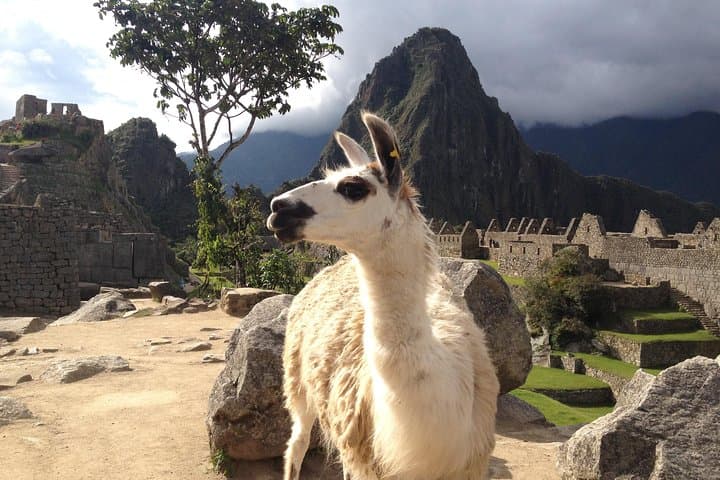
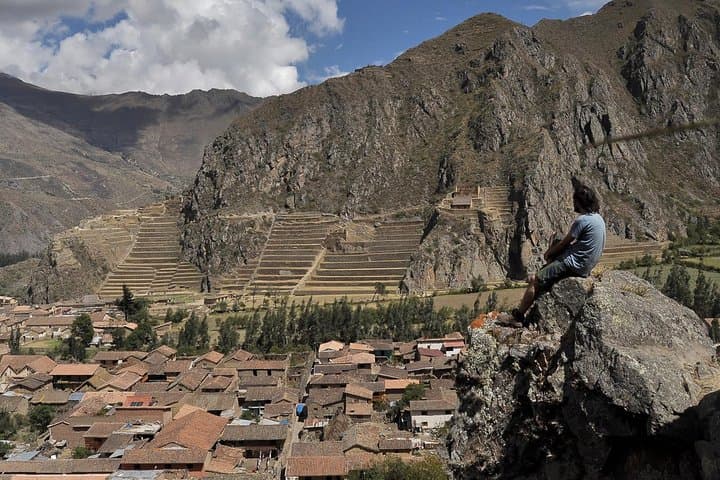
Dawn creeps up the steep shoulders of the Andes and the stonework of Machu Picchu takes on a cool, hard edge—this two-day loop from Cusco places you in the arc of that transformation. On day one the bus hums through the Sacred Valley, past terraced fields where rivers push against canyon walls and villages that still follow Inca agricultural rhythms. Pisac opens with soaring terraces and a market where textiles and carved ceramics speak as plainly as any plaque.
Verified experiences and guided adventures in the surrounding area.
Operated by inca machu picchu tours · Cusco, Cusco
Dawn creeps up the steep shoulders of the Andes and the stonework of Machu Picchu takes on a cool, hard edge—this two-day loop from Cusco places you in the arc of that transformation. On day one the bus hums through the Sacred Valley, past terraced fields where rivers push against canyon walls and villages that still follow Inca agricultural rhythms. Pisac opens with soaring terraces and a market where textiles and carved ceramics speak as plainly as any plaque.
The route moves to Urubamba and then Ollantaytambo, a fortress of massive carved stones that reveal Inca expertise in masonry and water management; many researchers link these sites to the reign of Pachacutec in the 15th century. Geologically, the Valley is folded volcanic and sedimentary rock worn by glacial runoff—steep slopes that created strategic locations for settlement and agriculture. Culturally, the corridor remains a living landscape: Quechua-speaking communities, traditional weaving, and seasonal markets shape the traveler’s experience.
On day two a short train and steep shuttle bring you to the Machu Picchu plateau. A guided circuit shows ritual plazas, temples and agricultural terraces, after which you have free time to explore or hike short side trails. Practical note: high altitude, uneven stone steps and sudden weather shifts are part of the terrain—move deliberately, hydrate, and leave no trace. Bring layered clothing, a rain layer, and time your visit for early morning light if you want the site largely to yourself. The tour is accessible to most travelers with average fitness but rewards respectful pacing and basic preparation.
moderate.
2 days.
Suitable for travelers in average fitness: involves walking on uneven terrain, stairs, and short climbs; no technical climbing required.
Yes—entrance is limited and you should secure park tickets as part of the tour; operators typically include or arrange them.
The guided portions are moderate: expect walking, stair climbs and uneven surfaces; no technical skills are required but basic mobility is necessary.
This tour includes transport from Cusco, guided visits to Pisac and Ollantaytambo, train to Aguas Calientes, one night hotel bed & breakfast, guided Machu Picchu visit, and some meals as listed.
Yes—Cusco sits above 3,300 m; allow time to acclimatize, avoid alcohol on arrival, and consult a physician if you have cardiovascular issues.
Machu Picchu was a 15th-century Inca estate associated with Pachacutec; many Sacred Valley sites functioned as agricultural and administrative centers for the empire.
Visitor numbers are regulated and routes are enforced to protect fragile stonework and endemic cloud-forest; follow park rules, carry out waste, and avoid feeding wildlife.
inca machu picchu tours operates guided outdoor trips and adventures with an emphasis on safety, stewardship, and memorable experiences.
Dawn creeps up the steep shoulders of the Andes and the stonework of Machu Picchu takes on a cool, hard edge—this two-day loop from Cusco places you in the arc of that transformation. On day one the bus hums through the Sacred Valley, past terraced fields where rivers push against canyon walls and villages that still follow Inca agricultural rhythms. Pisac opens with soaring terraces and a market where textiles and carved ceramics speak as plainly as any plaque.
Dawn creeps up the steep shoulders of the Andes and the stonework of Machu Picchu takes on a cool, hard edge—this two-day loop from Cusco places you in the arc of that transformation. On day one the bus hums through the Sacred Valley, past terraced fields where rivers push against canyon walls and villages that still follow Inca agricultural rhythms. Pisac opens with soaring terraces and a market where textiles and carved ceramics speak as plainly as any plaque.
The route moves to Urubamba and then Ollantaytambo, a fortress of massive carved stones that reveal Inca expertise in masonry and water management; many researchers link these sites to the reign of Pachacutec in the 15th century. Geologically, the Valley is folded volcanic and sedimentary rock worn by glacial runoff—steep slopes that created strategic locations for settlement and agriculture. Culturally, the corridor remains a living landscape: Quechua-speaking communities, traditional weaving, and seasonal markets shape the traveler’s experience.
On day two a short train and steep shuttle bring you to the Machu Picchu plateau. A guided circuit shows ritual plazas, temples and agricultural terraces, after which you have free time to explore or hike short side trails. Practical note: high altitude, uneven stone steps and sudden weather shifts are part of the terrain—move deliberately, hydrate, and leave no trace. Bring layered clothing, a rain layer, and time your visit for early morning light if you want the site largely to yourself. The tour is accessible to most travelers with average fitness but rewards respectful pacing and basic preparation.