THE ADVENTURE COLLECTIVE® · Independent discovery and booking for outdoor travel

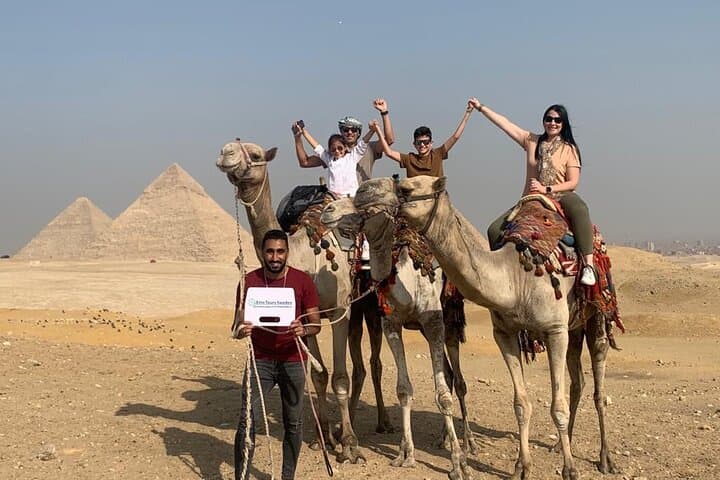
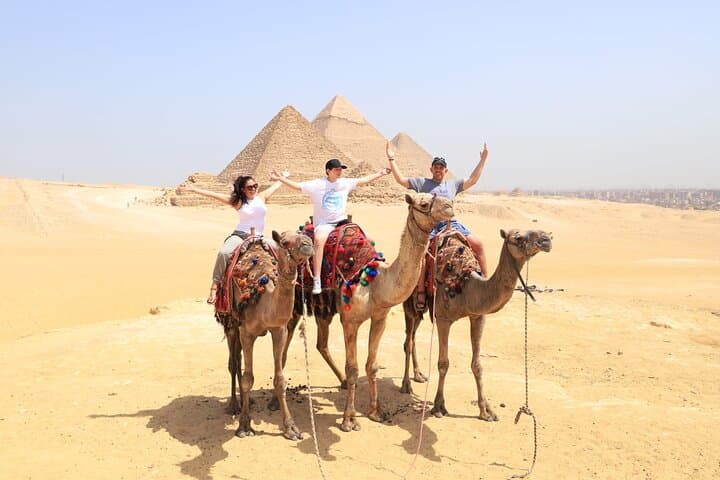
Ride a camel around the three Giza pyramids at sunrise or sunset for unforgettable light and compact archaeological insight. This short guided loop includes hotel pickup, water, and local interpretation—ideal for travelers who want a dramatic half-day experience.
Ride a camel around the three Giza pyramids at sunrise or sunset for unforgettable light and compact archaeological insight. This short guided loop includes hotel pickup, water, and local interpretation—ideal for travelers who want a dramatic half-day experience.
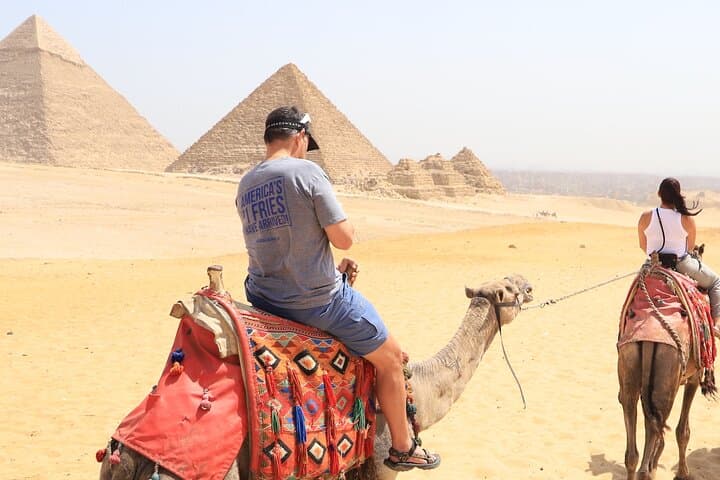
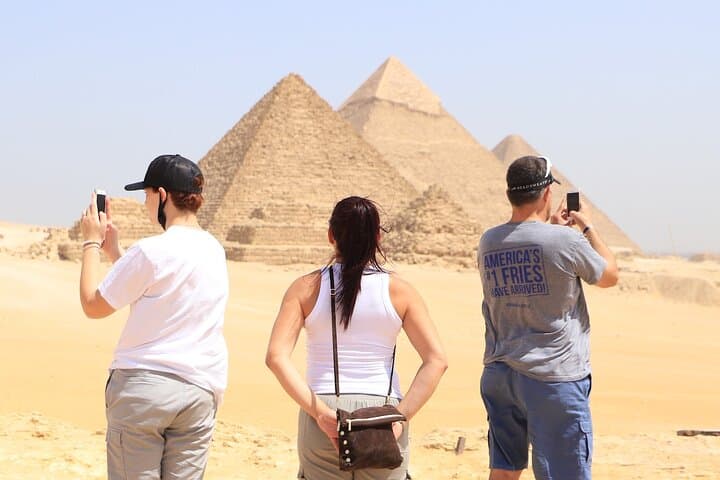
A low sun breaks the desert into gold and shadow as your vehicle eases onto the plateau, and the three great pyramids loom—monolithic, geometric, dry-stone proof of an ancient engineer’s will. A camel’s slow, rolling gait becomes the metronome for the visit: you move with the desert rather than against it, circling the Khufu, Khafre and Menkaure complexes while the light sharpens faces carved in limestone.
Verified experiences and guided adventures in the surrounding area.
Operated by Emo Tours Sweden · Giza, Giza Governorate
A low sun breaks the desert into gold and shadow as your vehicle eases onto the plateau, and the three great pyramids loom—monolithic, geometric, dry-stone proof of an ancient engineer’s will. A camel’s slow, rolling gait becomes the metronome for the visit: you move with the desert rather than against it, circling the Khufu, Khafre and Menkaure complexes while the light sharpens faces carved in limestone.
The plateau is both archaeological archive and natural bedrock—calcified limestone rises in terraces that the ancients quarried to build the monuments. Expect guided commentary about dynastic Egypt, funerary architecture, and the purpose-built alignments that framed temples and processional ways. Local Bedouin history and contemporary livelihoods are visible in camel handlers and small craft traders who have worked the area for generations.
Practically: the ride itself usually lasts 30–60 minutes and covers roughly 1–2 km across sandy, undulating ground with negligible elevation gain. Sunrise brings cooler temperatures and softer photos; sunset yields the dramatic silhouette shots most visitors seek. Tours include hotel pickup, a guided talk, bottled water and snacks, and run about 2–3 hours door-to-door. Wear sturdy closed-toe shoes for footing, cover skin from sun and sand, and keep camera straps secure—camels move unexpectedly. Respect restricted zones: climbing the pyramids is prohibited and monitored. Tip handlers thoughtfully; negotiate extras like posed photo stops before the ride. This experience pairs sensory immediacy with an accessible introduction to Egypt’s ancient capital—short, iconic, and best timed to light and temperate weather.
easy.
2–3 hours.
Suitable for most fitness levels; must be able to mount a camel with handler assistance and remain seated for up to an hour.
Yes—this tour offers private hotel pickup and drop-off, typically in an air-conditioned vehicle; confirm pickup details when booking.
Most operators provide assistance mounting and dismounting; rides are slow-paced and generally suitable for families, but disclose mobility issues when booking.
Interior entry requires separate tickets and is often limited; this camel loop circles the pyramid plateau rather than providing interior access.
Tipping is customary for handlers and guides; agree on any extra photography or extended stops up front to avoid surprises.
The Giza Plateau holds Fourth Dynasty monuments built c. 2600–2500 BCE; the pyramids served as royal tombs and ritual landscapes linked to solar and funerary beliefs.
Visitor impact is managed through restricted zones and site fees—stay on permitted paths, avoid touching ancient stone, and follow guide instructions to protect fragile surfaces.
Emo Tours Sweden operates guided outdoor trips and adventures with an emphasis on safety, stewardship, and memorable experiences.
A low sun breaks the desert into gold and shadow as your vehicle eases onto the plateau, and the three great pyramids loom—monolithic, geometric, dry-stone proof of an ancient engineer’s will. A camel’s slow, rolling gait becomes the metronome for the visit: you move with the desert rather than against it, circling the Khufu, Khafre and Menkaure complexes while the light sharpens faces carved in limestone.
A low sun breaks the desert into gold and shadow as your vehicle eases onto the plateau, and the three great pyramids loom—monolithic, geometric, dry-stone proof of an ancient engineer’s will. A camel’s slow, rolling gait becomes the metronome for the visit: you move with the desert rather than against it, circling the Khufu, Khafre and Menkaure complexes while the light sharpens faces carved in limestone.
The plateau is both archaeological archive and natural bedrock—calcified limestone rises in terraces that the ancients quarried to build the monuments. Expect guided commentary about dynastic Egypt, funerary architecture, and the purpose-built alignments that framed temples and processional ways. Local Bedouin history and contemporary livelihoods are visible in camel handlers and small craft traders who have worked the area for generations.
Practically: the ride itself usually lasts 30–60 minutes and covers roughly 1–2 km across sandy, undulating ground with negligible elevation gain. Sunrise brings cooler temperatures and softer photos; sunset yields the dramatic silhouette shots most visitors seek. Tours include hotel pickup, a guided talk, bottled water and snacks, and run about 2–3 hours door-to-door. Wear sturdy closed-toe shoes for footing, cover skin from sun and sand, and keep camera straps secure—camels move unexpectedly. Respect restricted zones: climbing the pyramids is prohibited and monitored. Tip handlers thoughtfully; negotiate extras like posed photo stops before the ride. This experience pairs sensory immediacy with an accessible introduction to Egypt’s ancient capital—short, iconic, and best timed to light and temperate weather.