THE ADVENTURE COLLECTIVE® · Independent discovery and booking for outdoor travel

Ride a camel or horse around the Giza Plateau at sunrise or sunset for a close-up view of the Great Pyramids. This accessible two-hour desert excursion mixes calm animal-led travel with sweeping views and practical local guidance.
Ride a camel or horse around the Giza Plateau at sunrise or sunset for a close-up view of the Great Pyramids. This accessible two-hour desert excursion mixes calm animal-led travel with sweeping views and practical local guidance.
The sun edges up behind limestone blocks, and the desert breathes warm air across the plateau as a caravan of camels and a string of horses wait at the lip of history. Riders mount slowly; the animals test their balance and then stride, carrying visitors along the sandy sweep that frames Cheops, Chephren and Mykerinus. The pyramids loom not as distant monuments but as neighbors you pass on a slow, rhythmic arc.
Verified experiences and guided adventures in the surrounding area.
Operated by Tamer Safari · Giza, Giza Governorate
The sun edges up behind limestone blocks, and the desert breathes warm air across the plateau as a caravan of camels and a string of horses wait at the lip of history. Riders mount slowly; the animals test their balance and then stride, carrying visitors along the sandy sweep that frames Cheops, Chephren and Mykerinus. The pyramids loom not as distant monuments but as neighbors you pass on a slow, rhythmic arc.
Giza’s plateau is Pleistocene bedrock capped by ancient quarried limestone; the stones you ride past came from the same local seams. The pyramids date to the fourth dynasty of Egypt (c. 2600–2500 BCE), once the tallest man-made structures on earth. Local Bedouin and Egyptian equestrian traditions shape the pace here: riders are guided by handlers who know when to shorten the gait for shifting sand or to pause for a photographic view.
Practical guidance matters as much as wonder. Book sunrise in spring or autumn to avoid summer heat; rides last roughly two hours and include transfers in many tour packages. Wear closed-toe shoes and sun protection; mounts can be unpredictable on loose sand. Hydrate before you go—bottled water is commonly provided but carry a small refill if you’re sensitive to heat. If you prefer a steadier ride, pick a horse; camels give that classic rolling sway.
Expect flat, sandy terrain with occasional compacted paths; handlers lead the animals, so technical skill is minimal. Respect animal welfare—ask about rest breaks and avoid tours that overcrowd mounts. With a little preparation, a Giza ride becomes a direct, tactile way to experience one of the world’s oldest landscapes.
easy.
2–4 hours.
Suitable for most fitness levels; ability to mount and sit for extended periods required
No—this ride follows the exterior of the Giza Plateau and typically does not include tickets to enter the inside of any pyramid; check your booking to confirm inclusions.
Many operators permit children but require they sit with an adult or use child seats; ask about age limits and safety measures when booking.
Most bookings advertise private pickup and return in an air-conditioned vehicle; confirm your hotel pickup time when you reserve.
Some operators describe the experience as wheelchair accessible for transfers, but mounting animals may be difficult—ask the provider about alternatives or assistance options.
The Giza complex was built during Egypt’s Old Kingdom; the Great Pyramid of Khufu (Cheops) was constructed around 2560 BCE and stood as the tallest human-made structure for millennia.
Tourists should stay on established routes, avoid touching fragile masonry and choose operators committed to regular rest and proper care of animals to reduce environmental and welfare impacts.
Tamer Safari operates guided outdoor trips and adventures with an emphasis on safety, stewardship, and memorable experiences.
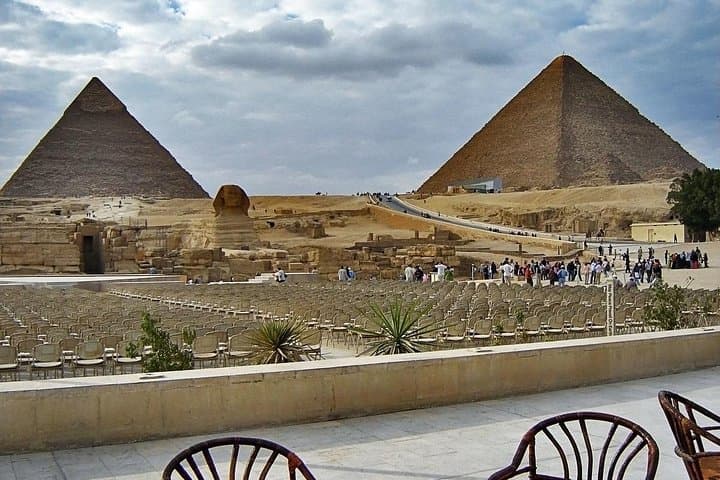


The sun edges up behind limestone blocks, and the desert breathes warm air across the plateau as a caravan of camels and a string of horses wait at the lip of history. Riders mount slowly; the animals test their balance and then stride, carrying visitors along the sandy sweep that frames Cheops, Chephren and Mykerinus. The pyramids loom not as distant monuments but as neighbors you pass on a slow, rhythmic arc.
The sun edges up behind limestone blocks, and the desert breathes warm air across the plateau as a caravan of camels and a string of horses wait at the lip of history. Riders mount slowly; the animals test their balance and then stride, carrying visitors along the sandy sweep that frames Cheops, Chephren and Mykerinus. The pyramids loom not as distant monuments but as neighbors you pass on a slow, rhythmic arc.
Giza’s plateau is Pleistocene bedrock capped by ancient quarried limestone; the stones you ride past came from the same local seams. The pyramids date to the fourth dynasty of Egypt (c. 2600–2500 BCE), once the tallest man-made structures on earth. Local Bedouin and Egyptian equestrian traditions shape the pace here: riders are guided by handlers who know when to shorten the gait for shifting sand or to pause for a photographic view.
Practical guidance matters as much as wonder. Book sunrise in spring or autumn to avoid summer heat; rides last roughly two hours and include transfers in many tour packages. Wear closed-toe shoes and sun protection; mounts can be unpredictable on loose sand. Hydrate before you go—bottled water is commonly provided but carry a small refill if you’re sensitive to heat. If you prefer a steadier ride, pick a horse; camels give that classic rolling sway.
Expect flat, sandy terrain with occasional compacted paths; handlers lead the animals, so technical skill is minimal. Respect animal welfare—ask about rest breaks and avoid tours that overcrowd mounts. With a little preparation, a Giza ride becomes a direct, tactile way to experience one of the world’s oldest landscapes.