THE ADVENTURE COLLECTIVE® · Independent discovery and booking for outdoor travel

A short, high-reward trek in the Annapurna Conservation Area, the Ghorepani–Poon Hill route offers a sunrise panorama of Annapurna and Dhaulagiri with overnight tea-house stays. Ideal for trekkers wanting dramatic mountain views on a manageable multi-day route.
A short, high-reward trek in the Annapurna Conservation Area, the Ghorepani–Poon Hill route offers a sunrise panorama of Annapurna and Dhaulagiri with overnight tea-house stays. Ideal for trekkers wanting dramatic mountain views on a manageable multi-day route.
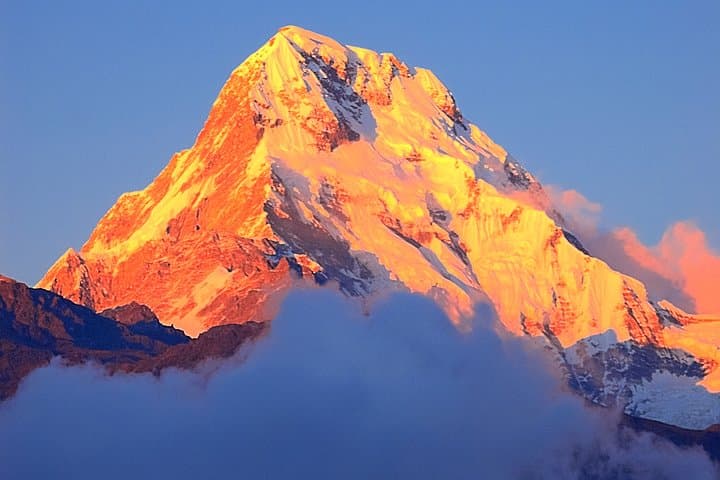
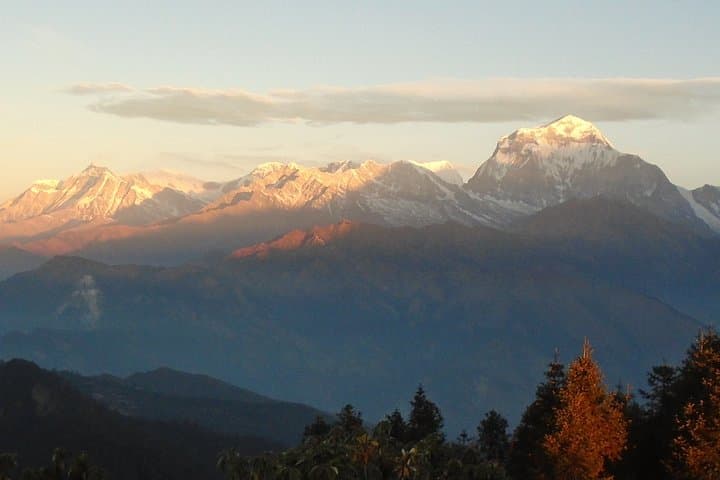
Before dawn, a cold halo of stars sits over terraced hills as small headlamps trace the stepped trail to Poon Hill. The ridge opens and the Himalaya push skyward; sunlight spills across the Annapurna Massif and Dhaulagiri’s white flank, turning glaciers to gold. That first ascent—short, steep and communal—is the moment most remember.
Verified experiences and guided adventures in the surrounding area.
Operated by Happyland Treks · Ghorepani/Poon Hill area, Gandaki Province
Before dawn, a cold halo of stars sits over terraced hills as small headlamps trace the stepped trail to Poon Hill. The ridge opens and the Himalaya push skyward; sunlight spills across the Annapurna Massif and Dhaulagiri’s white flank, turning glaciers to gold. That first ascent—short, steep and communal—is the moment most remember.
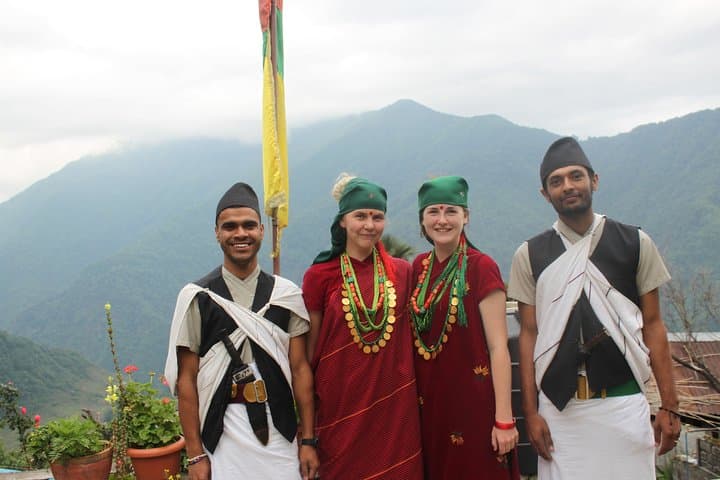
The Ghorepani–Poon Hill route is a classic short trek in the Annapurna Conservation Area, passing traditional Gurung villages, dense rhododendron forest and fields cut into steep slopes. Geologically the range is young, folded rock uplifted by the Indian plate colliding with Eurasia; walkers cross moraines and old glacial valleys that shape the wide panoramic views. Culturally, the trek threads small villages where tea houses offer simple meals and shared stories—Ghandruk’s stone houses reflect Gurung heritage and agricultural life.
Expect narrow stone stairways, dusty tracks and daily climbs of 400–800 vertical metres. Altitude peaks around 3,210 m at Poon Hill; acclimatization is manageable with the gradual profile. Wildlife is subtle—langurs in the canopy and pheasants in the understory—while the Annapurna Conservation Area Project manages permits and sustainable tourism.
Practically: hike early for sunrise, carry layered insulation for cold winds at dawn, and bring cash for teahouses and tips for porters. Choose sturdy boots, trekking poles and a rain shell—the weather can shift fast. Guides and porters are widely available; a TIMS card and ACAP permit are required. For a concise, high-reward Himalayan trek, Poon Hill delivers dramatic summits without prolonged hardship.
moderate.
6–8 days (trekking 5–6 days).
Moderate cardio fitness; able to hike 4–6 hours a day on uneven, stepped terrain
Yes—trekkers must carry an ACAP permit for the Annapurna Conservation Area and a TIMS card; guides or agencies usually arrange these.
The final climb is steep but short—expect 30–90 minutes of ascent from Ghorepani depending on pace; overall trek is moderate.
Spring (March–May) and fall (September–November) offer the most reliable weather and visibility for mountain views.
Yes—it's suitable for hikers with basic fitness who can manage several days of walking and stair climbs; hire a guide if unsure.
The route lies inside the Annapurna Conservation Area, Nepal’s first conservation area, created to balance biodiversity protection with community tourism benefits.
Stick to established trails, use licensed guides and minimize single-use plastics; local tea houses and ACAP fees fund conservation and community projects.
Happyland Treks operates guided outdoor trips and adventures with an emphasis on safety, stewardship, and memorable experiences.
Before dawn, a cold halo of stars sits over terraced hills as small headlamps trace the stepped trail to Poon Hill. The ridge opens and the Himalaya push skyward; sunlight spills across the Annapurna Massif and Dhaulagiri’s white flank, turning glaciers to gold. That first ascent—short, steep and communal—is the moment most remember.
Before dawn, a cold halo of stars sits over terraced hills as small headlamps trace the stepped trail to Poon Hill. The ridge opens and the Himalaya push skyward; sunlight spills across the Annapurna Massif and Dhaulagiri’s white flank, turning glaciers to gold. That first ascent—short, steep and communal—is the moment most remember.
The Ghorepani–Poon Hill route is a classic short trek in the Annapurna Conservation Area, passing traditional Gurung villages, dense rhododendron forest and fields cut into steep slopes. Geologically the range is young, folded rock uplifted by the Indian plate colliding with Eurasia; walkers cross moraines and old glacial valleys that shape the wide panoramic views. Culturally, the trek threads small villages where tea houses offer simple meals and shared stories—Ghandruk’s stone houses reflect Gurung heritage and agricultural life.
Expect narrow stone stairways, dusty tracks and daily climbs of 400–800 vertical metres. Altitude peaks around 3,210 m at Poon Hill; acclimatization is manageable with the gradual profile. Wildlife is subtle—langurs in the canopy and pheasants in the understory—while the Annapurna Conservation Area Project manages permits and sustainable tourism.
Practically: hike early for sunrise, carry layered insulation for cold winds at dawn, and bring cash for teahouses and tips for porters. Choose sturdy boots, trekking poles and a rain shell—the weather can shift fast. Guides and porters are widely available; a TIMS card and ACAP permit are required. For a concise, high-reward Himalayan trek, Poon Hill delivers dramatic summits without prolonged hardship.