THE ADVENTURE COLLECTIVE® · Independent discovery and booking for outdoor travel

Short on time but craving the classic Annapurna sunrise? This four-day Poon Hill loop from Pokhara delivers teahouse nights, rhododendron forests and a pre-dawn summit for panoramic views of the Annapurna and Machhapuchchre ranges.
Short on time but craving the classic Annapurna sunrise? This four-day Poon Hill loop from Pokhara delivers teahouse nights, rhododendron forests and a pre-dawn summit for panoramic views of the Annapurna and Machhapuchchre ranges.
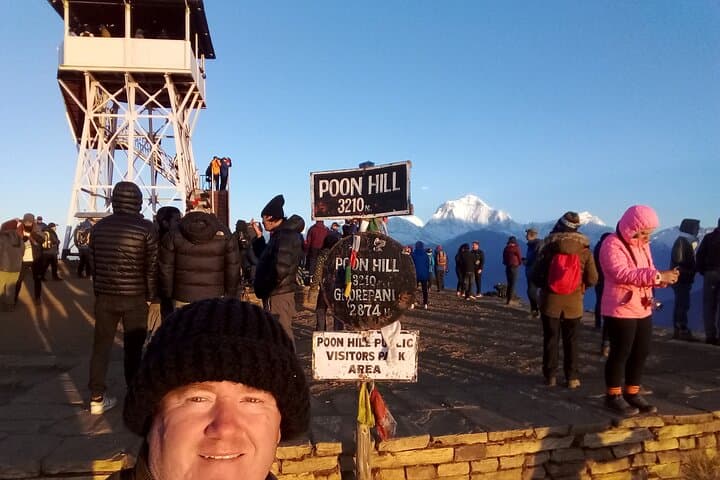
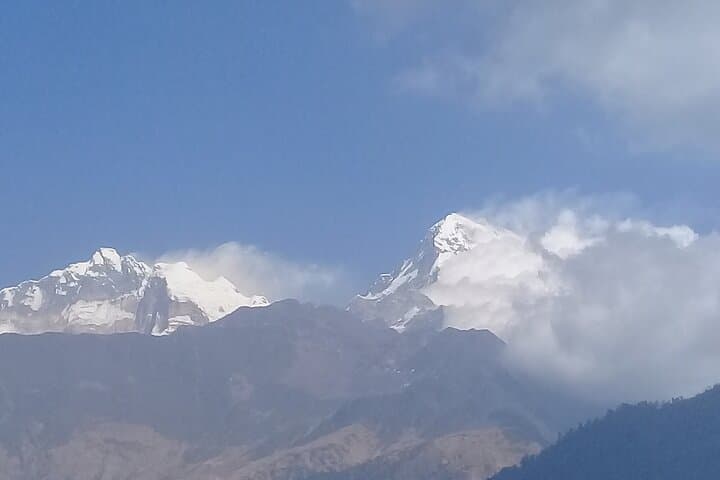
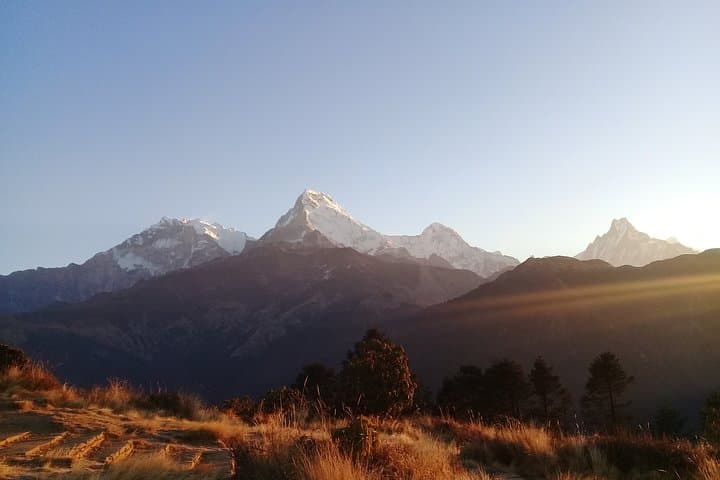
Pre-dawn on Poon Hill is practical and unforgiving: cold air pushes across the ridgeline, headlamps bob like distant fireflies, and then—slow and inevitable—the first rays cut across the Annapurna massif. You stand on stone steps worn by generations of trekkers and local shepherds, watching peaks that have no patience for latecomers reveal their faces.
Verified experiences and guided adventures in the surrounding area.
Operated by Kathmandu Adventures Travel and Tours · Pokhara, Gandaki Province
Pre-dawn on Poon Hill is practical and unforgiving: cold air pushes across the ridgeline, headlamps bob like distant fireflies, and then—slow and inevitable—the first rays cut across the Annapurna massif. You stand on stone steps worn by generations of trekkers and local shepherds, watching peaks that have no patience for latecomers reveal their faces.
This short version of the classic Ghorepani–Poon Hill route compresses the traditional walk into four days without sacrificing the core rewards: terraced villages, rhododendron forests, suspension bridges and sunrise panoramas. The route traces old trade corridors through Gurung settlements—communities that still run teahouses and maintain irrigation channels carved into steep slopes. Geologically the landscape is young Himalayan: steep metamorphic slopes and river-cut valleys fed by seasonal snowmelt.
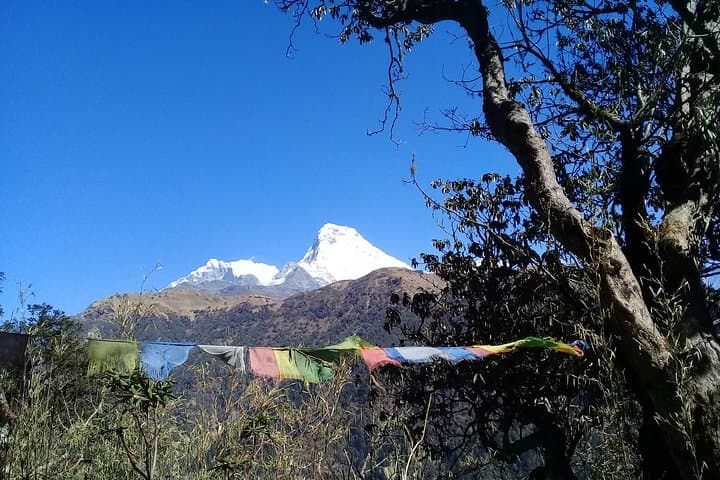
Each day has a distinct rhythm. Expect long stair climbs out of Sudame, a gentle afternoon into Ghorepani, a pre-dawn assault on Poon Hill, and a wooded descent toward Ghandruk with views of Machhapuchchre (Fish Tail) punctuating the trail. Accommodation is basic teahouse-style; meals are hearty dal-bhat and simple carbs that refuel legs worn thin by repetitive elevation gain.
Practical edge: plan for cold mornings and strong sun by midday, hydrate deliberately, and move at a steady, sustainable pace on stone steps. Footwear with solid grip matters more than fashion; a headlamp and layered insulation turn an uncomfortable dawn into a memorable one. If you’re short on time but want the Himalayan sunrise and Gurung culture, this four-day loop delivers the essentials with manageable daily mileage.
moderate.
4 days.
Moderate fitness; comfortable with sustained uphill walking and stair-like terrain for multiple hours per day.
A guide is strongly recommended for logistics, local knowledge and safety; porters are optional but useful if you want lighter days and to support local livelihoods.
Trekking in the Annapurna region requires the Annapurna Conservation Area Permit (ACAP) and a TIMS card for independent trekkers; organized tours typically handle permits for you.
Autumn (Sept–Nov) and spring (Mar–May) offer the most stable weather and clear mountain views; monsoon summer is greener but cloudier, winter can be cold with possible snow at higher spots.
It’s steep but short—expect 45–90 minutes from Ghorepani depending on pace; cold and early starts are the main challenges rather than technical terrain.
The Ghorepani–Poon Hill route follows traditional mountain tracks used by Gurung and Magar communities for trade and seasonal grazing before trekking popularized the corridor in the late 20th century.
This area sits inside the Annapurna Conservation Area; stick to marked trails, avoid single-use plastics and favor local teahouses to support community-based conservation.
Kathmandu Adventures Travel and Tours operates guided outdoor trips and adventures with an emphasis on safety, stewardship, and memorable experiences.
Pre-dawn on Poon Hill is practical and unforgiving: cold air pushes across the ridgeline, headlamps bob like distant fireflies, and then—slow and inevitable—the first rays cut across the Annapurna massif. You stand on stone steps worn by generations of trekkers and local shepherds, watching peaks that have no patience for latecomers reveal their faces.
Pre-dawn on Poon Hill is practical and unforgiving: cold air pushes across the ridgeline, headlamps bob like distant fireflies, and then—slow and inevitable—the first rays cut across the Annapurna massif. You stand on stone steps worn by generations of trekkers and local shepherds, watching peaks that have no patience for latecomers reveal their faces.
This short version of the classic Ghorepani–Poon Hill route compresses the traditional walk into four days without sacrificing the core rewards: terraced villages, rhododendron forests, suspension bridges and sunrise panoramas. The route traces old trade corridors through Gurung settlements—communities that still run teahouses and maintain irrigation channels carved into steep slopes. Geologically the landscape is young Himalayan: steep metamorphic slopes and river-cut valleys fed by seasonal snowmelt.
Each day has a distinct rhythm. Expect long stair climbs out of Sudame, a gentle afternoon into Ghorepani, a pre-dawn assault on Poon Hill, and a wooded descent toward Ghandruk with views of Machhapuchchre (Fish Tail) punctuating the trail. Accommodation is basic teahouse-style; meals are hearty dal-bhat and simple carbs that refuel legs worn thin by repetitive elevation gain.
Practical edge: plan for cold mornings and strong sun by midday, hydrate deliberately, and move at a steady, sustainable pace on stone steps. Footwear with solid grip matters more than fashion; a headlamp and layered insulation turn an uncomfortable dawn into a memorable one. If you’re short on time but want the Himalayan sunrise and Gurung culture, this four-day loop delivers the essentials with manageable daily mileage.