THE ADVENTURE COLLECTIVE® · Independent discovery and booking for outdoor travel

Depart Eilat after dark for a border crossing into Sinai, then climb Mount Sinai to watch sunrise above the desert. The tour combines a pre-dawn hike, a visit to Saint Catherine’s Monastery and local cultural insights — a long but deeply rewarding day.
Depart Eilat after dark for a border crossing into Sinai, then climb Mount Sinai to watch sunrise above the desert. The tour combines a pre-dawn hike, a visit to Saint Catherine’s Monastery and local cultural insights — a long but deeply rewarding day.
Night drive, desert hush and the lamps of the minivan shrinking behind you — the climb to Mount Sinai begins in the black hours, a deliberate move to reach the summit for sunrise.
Verified experiences and guided adventures in the surrounding area.
Operated by Booking-tours.com · Saint Catherine, South Sinai Governorate
Night drive, desert hush and the lamps of the minivan shrinking behind you — the climb to Mount Sinai begins in the black hours, a deliberate move to reach the summit for sunrise.
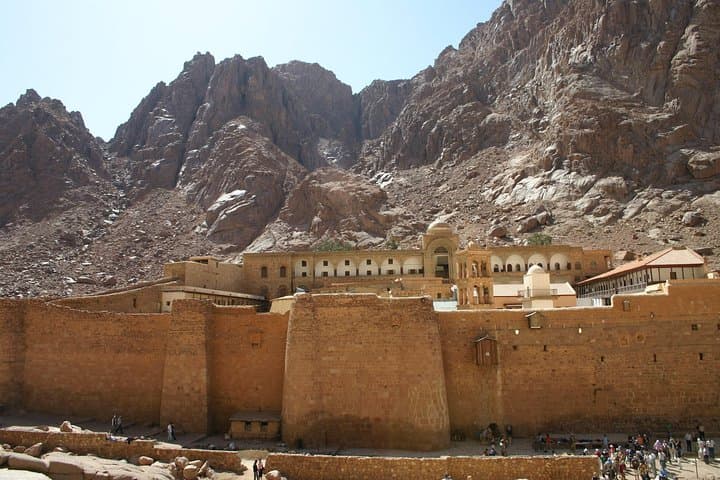
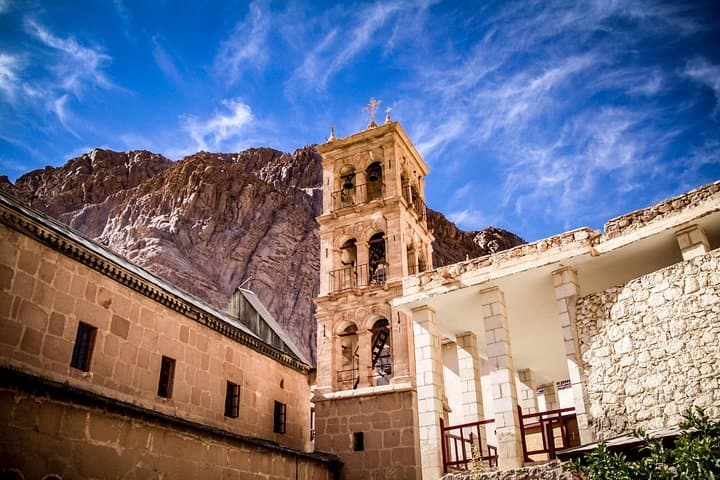
The path winds through scarred granite and scrub, the mountain itself an ancient, wind-peeled mass that has stood as a landmark for millennia. Saint Catherine’s Monastery sits at its base: a sixth-century complex with Byzantine mosaics, the reputed Burning Bush and a library of early Christian texts. Geologically, Sinai is a range of exposed Precambrian rocks — coarse-grained gneiss and granite — scoured by arid winters and rare flash floods that shape the trails and gullies.
Culturally the place is layered: Bedouin guides and Egyptian custodians keep local rhythms alive, while pilgrims still make the same climb that religious tradition links to Moses. Expect simple settlements, chai offered by local vendors, and a modest, living monastic community inside stone walls.
Practically, the ascent is steep and step-heavy but non-technical: many hikers use the Camel Path or the stepped route from the monastery. Most tours depart Eilat late at night, cross the Taba border, and return by mid-afternoon — plan for a long day with short windows to rest. Dress respectfully for the monastery (shoulders and knees covered) and pack layers for a pre-dawn chill that gives way to hot, dry sun.
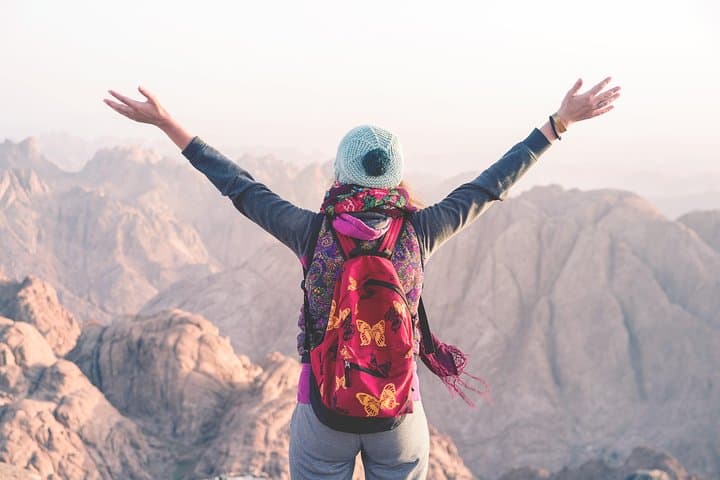
Hydrate before you start, use a headlamp, and move steadily — the reward is a sky that changes with surgical clarity, and a view that makes the work of getting there part of the memory.
moderate.
17 hours total; 2–3 hours ascent one way (tour schedule varies).
Participants should have steady cardio fitness and be comfortable on sustained uphill steps and uneven terrain.
Yes — a current valid passport is required; your tour will assist with border procedures but check visa requirements for your nationality before traveling.
The trail is steep with many stone steps but non-technical; people with moderate fitness can complete it with steady pacing and breaks.
The route includes many steps and uneven ground; it’s not recommended for travelers with serious mobility issues or spinal problems.
A dress code requires covering knees and shoulders for both men and women — carry a scarf or long-sleeved top to comply.
Saint Catherine’s Monastery dates to the 6th century under Byzantine patronage and houses one of the oldest libraries of Christian manuscripts outside Rome.
This fragile desert ecosystem is sensitive to waste and off-trail travel; stick to established paths and pack out all trash to minimize impact.
Booking-tours.com operates guided outdoor trips and adventures with an emphasis on safety, stewardship, and memorable experiences.
Night drive, desert hush and the lamps of the minivan shrinking behind you — the climb to Mount Sinai begins in the black hours, a deliberate move to reach the summit for sunrise.
Night drive, desert hush and the lamps of the minivan shrinking behind you — the climb to Mount Sinai begins in the black hours, a deliberate move to reach the summit for sunrise.
The path winds through scarred granite and scrub, the mountain itself an ancient, wind-peeled mass that has stood as a landmark for millennia. Saint Catherine’s Monastery sits at its base: a sixth-century complex with Byzantine mosaics, the reputed Burning Bush and a library of early Christian texts. Geologically, Sinai is a range of exposed Precambrian rocks — coarse-grained gneiss and granite — scoured by arid winters and rare flash floods that shape the trails and gullies.
Culturally the place is layered: Bedouin guides and Egyptian custodians keep local rhythms alive, while pilgrims still make the same climb that religious tradition links to Moses. Expect simple settlements, chai offered by local vendors, and a modest, living monastic community inside stone walls.
Practically, the ascent is steep and step-heavy but non-technical: many hikers use the Camel Path or the stepped route from the monastery. Most tours depart Eilat late at night, cross the Taba border, and return by mid-afternoon — plan for a long day with short windows to rest. Dress respectfully for the monastery (shoulders and knees covered) and pack layers for a pre-dawn chill that gives way to hot, dry sun.
Hydrate before you start, use a headlamp, and move steadily — the reward is a sky that changes with surgical clarity, and a view that makes the work of getting there part of the memory.