THE ADVENTURE COLLECTIVE® · Independent discovery and booking for outdoor travel

Rise before dawn for a guided climb up Mount Batur, watch the caldera ignite with sunrise, then unwind in nearby hot springs and visit the sculpted rice terraces of Tegalalang. This active-volcano morning pairs effort with restorative views.
Rise before dawn for a guided climb up Mount Batur, watch the caldera ignite with sunrise, then unwind in nearby hot springs and visit the sculpted rice terraces of Tegalalang. This active-volcano morning pairs effort with restorative views.
You begin before dawn, bundled into a small van that climbs away from Bali’s lowlands. By torchlight you follow a local guide through cool, volcanic air; the trail knits together loose ash, lava rock and packed earth. As the sky lightens, the crater’s rim opens like a curtain and the first colors crawl across Lake Batur below—pink bleeding into orange, the volcano itself seeming to breathe steam into the morning.
Verified experiences and guided adventures in the surrounding area.
Operated by Ubud baliday tour · Kintamani, Bali
You begin before dawn, bundled into a small van that climbs away from Bali’s lowlands. By torchlight you follow a local guide through cool, volcanic air; the trail knits together loose ash, lava rock and packed earth. As the sky lightens, the crater’s rim opens like a curtain and the first colors crawl across Lake Batur below—pink bleeding into orange, the volcano itself seeming to breathe steam into the morning.
Geology here is immediate: Mount Batur is an active caldera rising to about 1,717 meters, its slopes shaped by eruptions and layers of lava. Kintamani village has long lived with the mountain—farmers tend terraced fields while offerings to local temples mark cultural ties to the landscape. After the summit, the itinerary usually slides into warm relief: a soak in nearby natural hot springs where mineral water loosens tired legs, then a drive to the sculpted green steps of Tegalalang to see rice terraces cut into volcanic soil.
Practical guide: the trek itself takes roughly 1.5–2 hours one way on mixed terrain; expect steeper, slippery sections near the midpoint. Start times are typically 2–3 a.m. for a sunrise arrival. Bring a headlamp, layered clothing for rapidly shifting temperatures, good traction on your shoes, and at least 1–2 liters of water. Pace the ascent—short, steady steps conserve energy on ash and loose rock.
Timing your visit for the dry season reduces rain risk, but the mountain can be windy and cool even on warm Bali days. Respect marked paths, follow your guide’s instructions near the crater, and allow time afterward to relax in hot springs and to walk through Tegalalang’s quieter lanes.
challenging.
6–8 hours (total tour).
Requires good cardiovascular fitness and leg strength; be comfortable with 1.5–2 hour uphill hiking and uneven terrain.
The ascent typically takes 1.5–2 hours depending on fitness and pace; guides often plan 30–45 minutes at the rim for sunrise.
Moderately fit beginners can do it with a guide, but the tour is physically demanding and includes steep, slippery sections—assess fitness honestly.
Most packages include hotel pickup, return transfer, breakfast and bottled water—confirm inclusions when you book.
Yes; most itineraries include a visit to nearby natural hot springs for a soak and relaxation after the hike.
The Batur caldera has shaped local settlement for centuries; fertile volcanic soils support rice and coffee cultivation, and temples in Kintamani reflect longstanding cultural ties to the mountain.
Stay on marked paths to limit erosion on fragile volcanic soil, pack out plastic, and use established hot-spring facilities to reduce impact on thermal areas.
Ubud baliday tour operates guided outdoor trips and adventures with an emphasis on safety, stewardship, and memorable experiences.
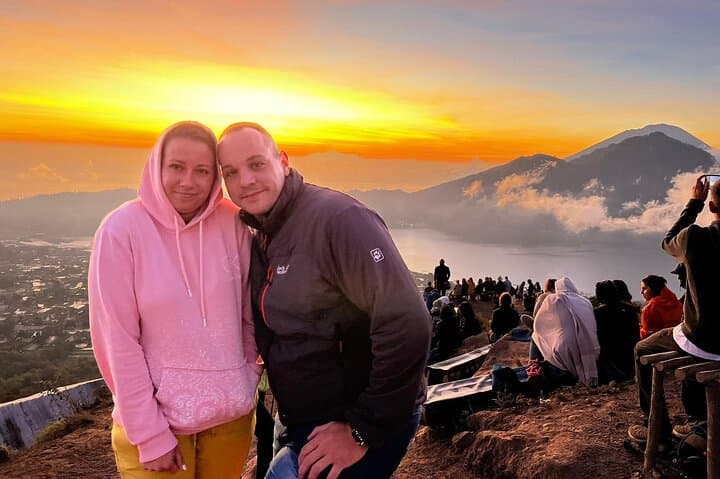
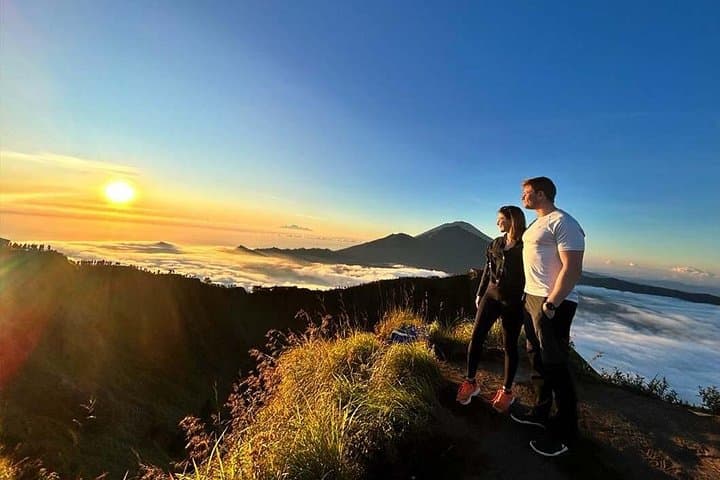
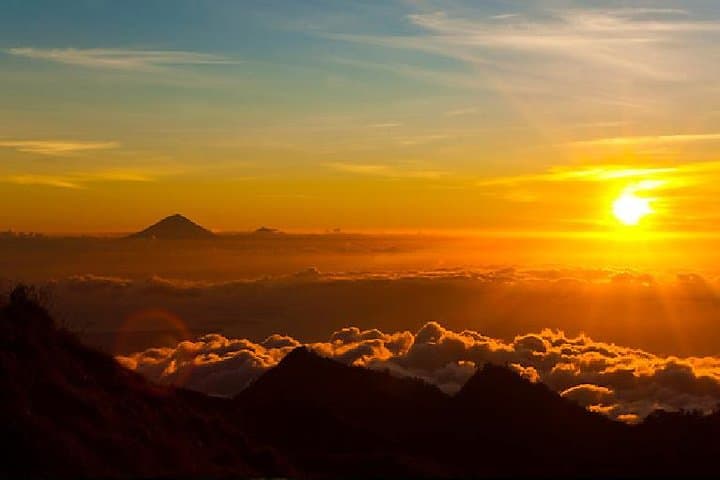
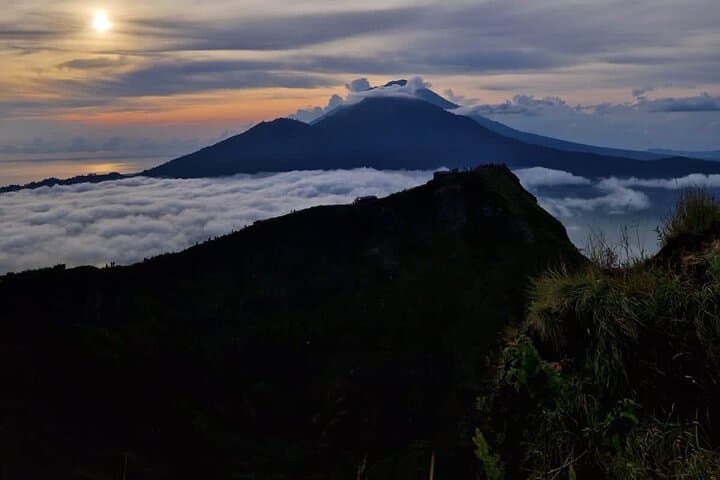
You begin before dawn, bundled into a small van that climbs away from Bali’s lowlands. By torchlight you follow a local guide through cool, volcanic air; the trail knits together loose ash, lava rock and packed earth. As the sky lightens, the crater’s rim opens like a curtain and the first colors crawl across Lake Batur below—pink bleeding into orange, the volcano itself seeming to breathe steam into the morning.
You begin before dawn, bundled into a small van that climbs away from Bali’s lowlands. By torchlight you follow a local guide through cool, volcanic air; the trail knits together loose ash, lava rock and packed earth. As the sky lightens, the crater’s rim opens like a curtain and the first colors crawl across Lake Batur below—pink bleeding into orange, the volcano itself seeming to breathe steam into the morning.
Geology here is immediate: Mount Batur is an active caldera rising to about 1,717 meters, its slopes shaped by eruptions and layers of lava. Kintamani village has long lived with the mountain—farmers tend terraced fields while offerings to local temples mark cultural ties to the landscape. After the summit, the itinerary usually slides into warm relief: a soak in nearby natural hot springs where mineral water loosens tired legs, then a drive to the sculpted green steps of Tegalalang to see rice terraces cut into volcanic soil.
Practical guide: the trek itself takes roughly 1.5–2 hours one way on mixed terrain; expect steeper, slippery sections near the midpoint. Start times are typically 2–3 a.m. for a sunrise arrival. Bring a headlamp, layered clothing for rapidly shifting temperatures, good traction on your shoes, and at least 1–2 liters of water. Pace the ascent—short, steady steps conserve energy on ash and loose rock.
Timing your visit for the dry season reduces rain risk, but the mountain can be windy and cool even on warm Bali days. Respect marked paths, follow your guide’s instructions near the crater, and allow time afterward to relax in hot springs and to walk through Tegalalang’s quieter lanes.