THE ADVENTURE COLLECTIVE® · Independent discovery and booking for outdoor travel

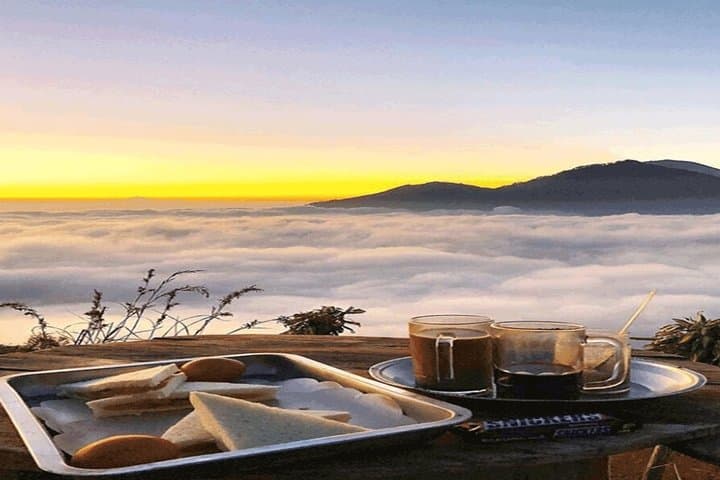
Climb through pre-dawn rice terraces to Mount Batur’s crater rim and watch the sun lift off Lake Batur. This private sunrise hike pairs local guides, a manageable trail for beginners, and post-hike coffee at a plantation.
Climb through pre-dawn rice terraces to Mount Batur’s crater rim and watch the sun lift off Lake Batur. This private sunrise hike pairs local guides, a manageable trail for beginners, and post-hike coffee at a plantation.
You leave the village at 3 a.m., the road narrowed to headlights and the occasional silhouette of rice terraces. By headlamp you climb a switchback that feels older than the paved road behind you; the volcano ahead breathes steam, as if impatient to reveal what’s above.
Verified experiences and guided adventures in the surrounding area.
Operated by Krisna Bali Trekking Tour · Kintamani, Bali
You leave the village at 3 a.m., the road narrowed to headlights and the occasional silhouette of rice terraces. By headlamp you climb a switchback that feels older than the paved road behind you; the volcano ahead breathes steam, as if impatient to reveal what’s above.
Mount Batur sits in Kintamani within a caldera carved by centuries of eruptions. The current edifice — 1,717 meters above sea level — rises from a broad caldera floor beside Lake Batur. Locals revere the area for both its fertile volcanic soils and the nearby Ulun Danu temple complex, and the mountain’s 20th‑century eruptions reshaped villages and coastline alike.
Geology here is immediate: cooled lava flows, ash layers, and a visibly collapsed rim that frames sweeping views of the lake and neighboring Mount Agung. Culturally, you’ll pass small temple shrines and coffee plantations where farmers have worked the slopes for generations.
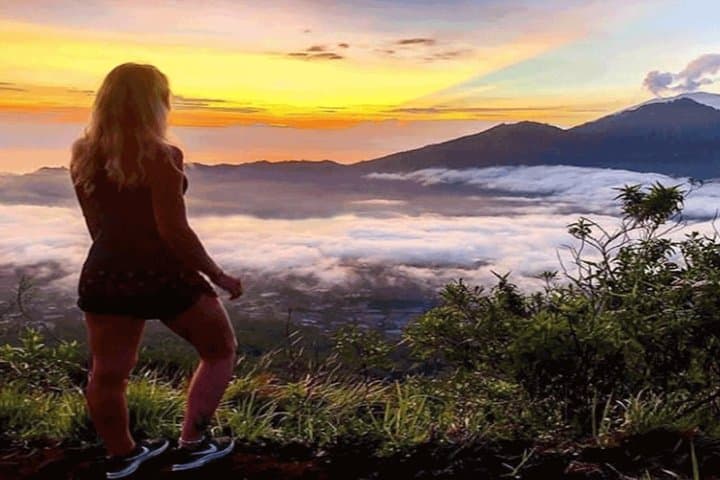
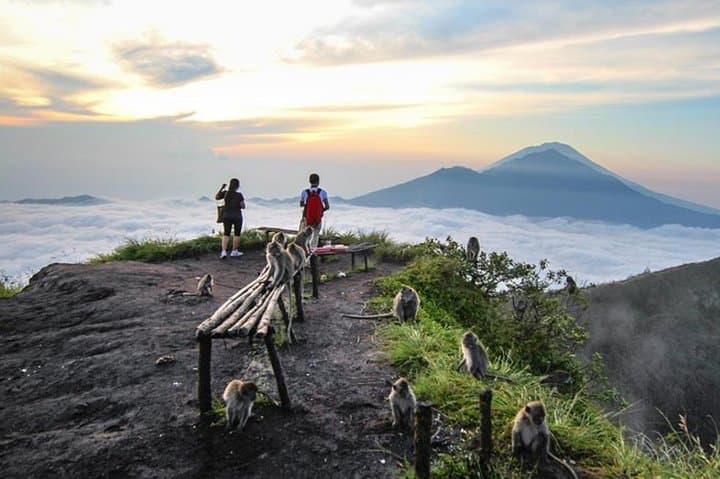
On the summit, sunrise arrives quickly; orange and blue peel across the crater and reflect on Lake Batur. The air is thin and sharp, the wind like a hand urging you forward; the volcanic landscape seems to test every boot impression.
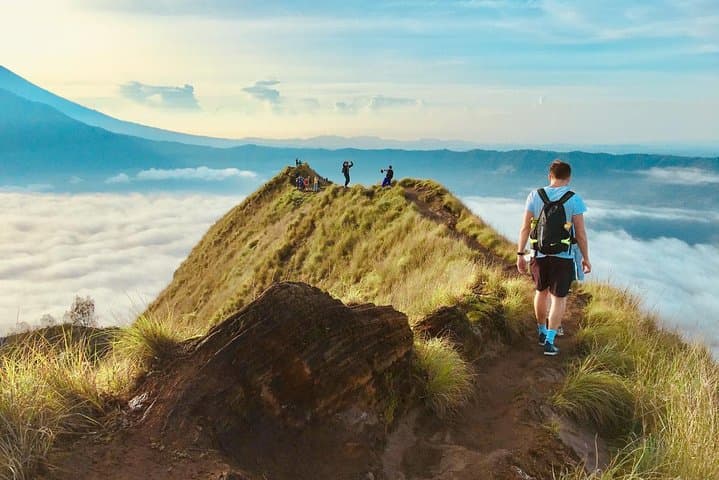
Practical guidance: allow 2–3 hours uphill for beginners and an hour or two down, expect steep, loose scree near the top, and bring a headlamp and layers for pre-dawn chill. Book a guided, private trek for early pickup and an English-speaking guide who handles permits and local transport. Time your visit outside heavy rain—mud turns the trail slick. Finish with a stop at a nearby coffee plantation or hot spring to loosen legs and warm up before the return drive.
moderate.
10–12 hours (tour total); 2–3 hours ascent.
Suitable for travelers with moderate fitness—regular walkers who can handle sustained uphill hiking.
Most beginners take 2–3 hours to ascend and 1–2 hours to descend; guides adjust pace to group fitness.
Guides are not legally mandatory but are strongly recommended for safety, permits, and local knowledge—many operators include them.
Pickups commonly start between 2:00–3:00 a.m. so you reach the trailhead well before sunrise.
Basic facilities and small stalls exist in Toya Bungkah and parking areas; bring essentials as options are limited pre-dawn.
A series of eruptions through the 20th century—most notably 1926—helped form the current caldera and reshaped nearby villages and temples.
Stay on established trails to protect fragile volcanic soils and agricultural terraces; pack out all waste and support local guides and small businesses to encourage sustainable tourism.
Krisna Bali Trekking Tour operates guided outdoor trips and adventures with an emphasis on safety, stewardship, and memorable experiences.
You leave the village at 3 a.m., the road narrowed to headlights and the occasional silhouette of rice terraces. By headlamp you climb a switchback that feels older than the paved road behind you; the volcano ahead breathes steam, as if impatient to reveal what’s above.
You leave the village at 3 a.m., the road narrowed to headlights and the occasional silhouette of rice terraces. By headlamp you climb a switchback that feels older than the paved road behind you; the volcano ahead breathes steam, as if impatient to reveal what’s above.
Mount Batur sits in Kintamani within a caldera carved by centuries of eruptions. The current edifice — 1,717 meters above sea level — rises from a broad caldera floor beside Lake Batur. Locals revere the area for both its fertile volcanic soils and the nearby Ulun Danu temple complex, and the mountain’s 20th‑century eruptions reshaped villages and coastline alike.
Geology here is immediate: cooled lava flows, ash layers, and a visibly collapsed rim that frames sweeping views of the lake and neighboring Mount Agung. Culturally, you’ll pass small temple shrines and coffee plantations where farmers have worked the slopes for generations.
On the summit, sunrise arrives quickly; orange and blue peel across the crater and reflect on Lake Batur. The air is thin and sharp, the wind like a hand urging you forward; the volcanic landscape seems to test every boot impression.
Practical guidance: allow 2–3 hours uphill for beginners and an hour or two down, expect steep, loose scree near the top, and bring a headlamp and layers for pre-dawn chill. Book a guided, private trek for early pickup and an English-speaking guide who handles permits and local transport. Time your visit outside heavy rain—mud turns the trail slick. Finish with a stop at a nearby coffee plantation or hot spring to loosen legs and warm up before the return drive.