THE ADVENTURE COLLECTIVE® · Independent discovery and booking for outdoor travel

Reach the Roof of the Marche for a predawn ascent of Monte Vettore and watch the Adriatic flood the valleys below. This guided night-and-sunrise hike covers up to 11 km and nearly 950 m of gain, rewarding climbers with quiet summit light and sweeping views toward Gran Sasso and the Lake of Pilato.
Reach the Roof of the Marche for a predawn ascent of Monte Vettore and watch the Adriatic flood the valleys below. This guided night-and-sunrise hike covers up to 11 km and nearly 950 m of gain, rewarding climbers with quiet summit light and sweeping views toward Gran Sasso and the Lake of Pilato.
You leave the valley under a sky thick with stars, the ridge ahead a darker silhouette that seems to breathe. Stone underfoot becomes a rhythm—small avalanches of pebbles that sing with each step—while the air grows colder and the lights of distant villages shrink to pinpricks. By the time you reach the saddle, the first pale line of the Adriatic pushes color across fields and rock, and the summit holds a silence that only altitude can manufacture.
Verified experiences and guided adventures in the surrounding area.
Operated by Il Ponticello Trekking Viaggi & Natura · Castelluccio di Norcia, Marche
You leave the valley under a sky thick with stars, the ridge ahead a darker silhouette that seems to breathe. Stone underfoot becomes a rhythm—small avalanches of pebbles that sing with each step—while the air grows colder and the lights of distant villages shrink to pinpricks. By the time you reach the saddle, the first pale line of the Adriatic pushes color across fields and rock, and the summit holds a silence that only altitude can manufacture.
Monte Vettore (2,476 m) is the apex of the Sibillini range, a mountain shaped by limestone uplift and glacial sculpting; its knife ridges and karst basins tell a geological story of sea-floor becoming summit. The massif watches over historic hill towns and the floodplain of the Castelluccio plain—an area long farmed for hardy cereals and famed for spring wildflower blooms. Local shepherding culture and mountain refuges like Rifugio Zilioli have long supported transhumance routes here.
Expect a sustained climb: full route notes list about 950 m of ascent over ~11 km and roughly 6 hours of walking, with an alternate turn-off to Zilioli cut to 8.5 km and 700 m gain. Trails are rocky and steep in places, with short scrambling sections near the top and excellent panoramic exposure—Gran Sasso to the south, Lake of Pilato below, and the Adriatic flushing light to the east.
Practical guidance: start well before midnight for a sunrise summit, carry a reliable headlamp, windproof layers, and 2–3 liters of water; crampons are rarely needed in summer but useful in shoulder seasons. Move deliberately, use trekking poles on steep scree, and allow extra time for descent in fading light.
challenging.
6–8 hours.
Strong aerobic fitness and leg strength required; comfortable with sustained uphill hiking and some scrambling.
The full summit route is challenging: expect roughly 950 m of elevation gain over about 11 km and uneven, rocky terrain—suitable for fit hikers with mountain experience.
Late spring to early autumn offers stable weather and minimal snow; shoulder seasons require checking conditions and possibly crampons or gaiters.
Guides are recommended for night ascents and route-finding; there is no general permit but follow local park rules within Monti Sibillini National Park.
Rifugio Zilioli provides a rest point below the summit but water sources can be scarce—carry sufficient water and treat any natural sources before drinking.
The Sibillini have long been a crossroads of shepherding and local lore; Monte Vettore features in regional myths and supported transhumant routes between high pastures and lowland villages.
Monti Sibillini National Park manages trails to reduce erosion and protect karst basins; stick to marked routes and pack out all waste to limit impact.
Il Ponticello Trekking Viaggi & Natura operates guided outdoor trips and adventures with an emphasis on safety, stewardship, and memorable experiences.
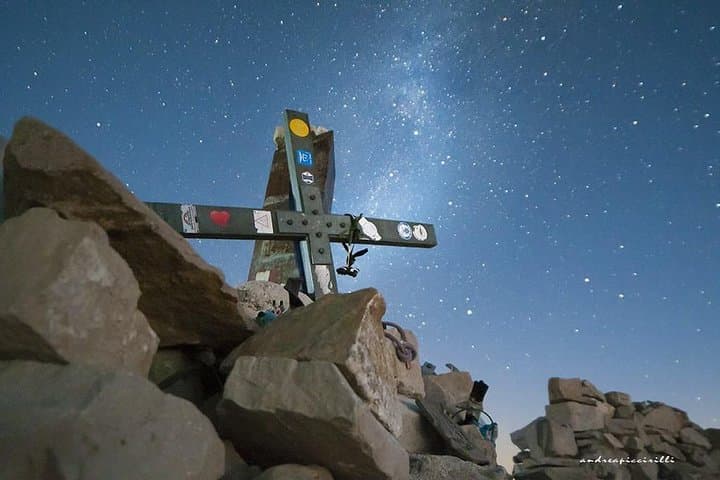
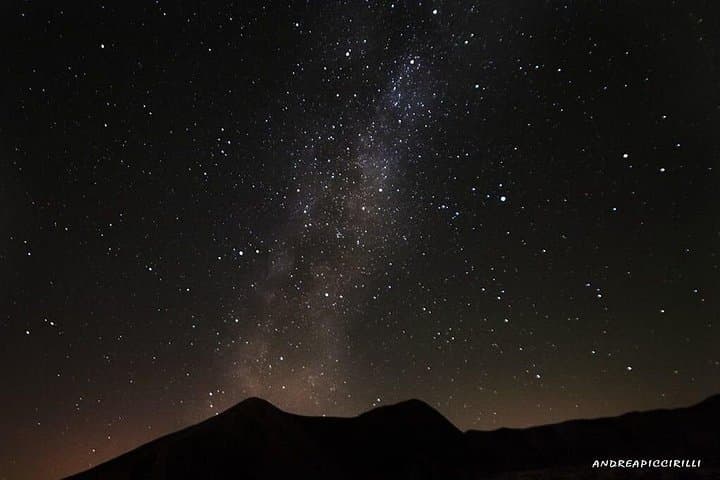
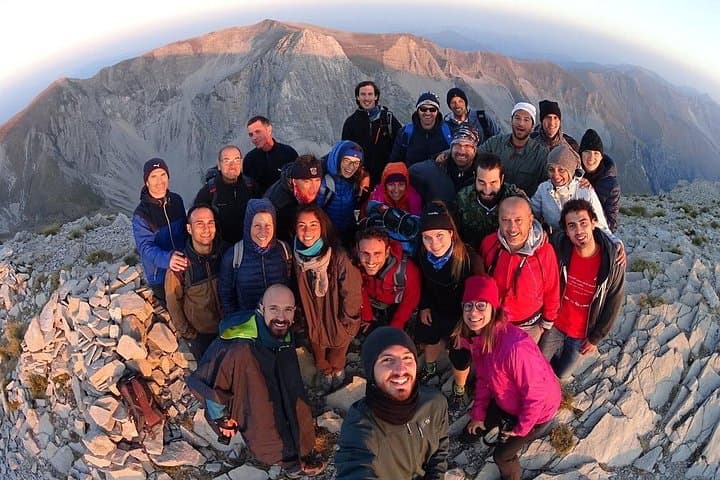
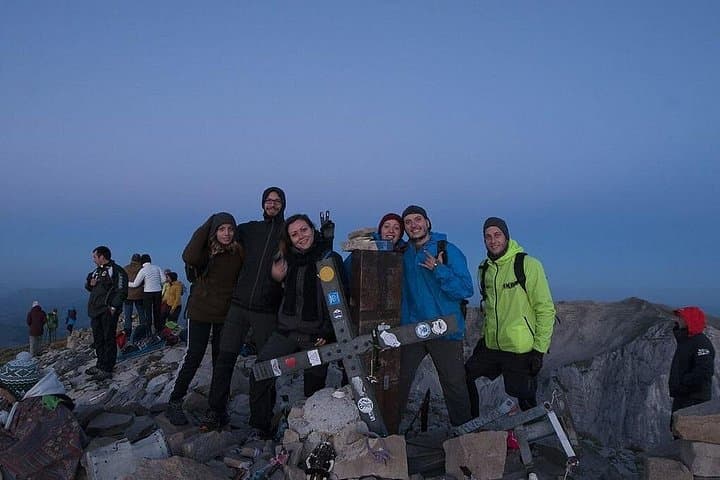
You leave the valley under a sky thick with stars, the ridge ahead a darker silhouette that seems to breathe. Stone underfoot becomes a rhythm—small avalanches of pebbles that sing with each step—while the air grows colder and the lights of distant villages shrink to pinpricks. By the time you reach the saddle, the first pale line of the Adriatic pushes color across fields and rock, and the summit holds a silence that only altitude can manufacture.
You leave the valley under a sky thick with stars, the ridge ahead a darker silhouette that seems to breathe. Stone underfoot becomes a rhythm—small avalanches of pebbles that sing with each step—while the air grows colder and the lights of distant villages shrink to pinpricks. By the time you reach the saddle, the first pale line of the Adriatic pushes color across fields and rock, and the summit holds a silence that only altitude can manufacture.
Monte Vettore (2,476 m) is the apex of the Sibillini range, a mountain shaped by limestone uplift and glacial sculpting; its knife ridges and karst basins tell a geological story of sea-floor becoming summit. The massif watches over historic hill towns and the floodplain of the Castelluccio plain—an area long farmed for hardy cereals and famed for spring wildflower blooms. Local shepherding culture and mountain refuges like Rifugio Zilioli have long supported transhumance routes here.
Expect a sustained climb: full route notes list about 950 m of ascent over ~11 km and roughly 6 hours of walking, with an alternate turn-off to Zilioli cut to 8.5 km and 700 m gain. Trails are rocky and steep in places, with short scrambling sections near the top and excellent panoramic exposure—Gran Sasso to the south, Lake of Pilato below, and the Adriatic flushing light to the east.
Practical guidance: start well before midnight for a sunrise summit, carry a reliable headlamp, windproof layers, and 2–3 liters of water; crampons are rarely needed in summer but useful in shoulder seasons. Move deliberately, use trekking poles on steep scree, and allow extra time for descent in fading light.