THE ADVENTURE COLLECTIVE® · Independent discovery and booking for outdoor travel

Paddle at sunrise from Playa Empacadora to El Arco, pause for sea lions and cliff views, then snorkel the reef at Pelican Rock—an efficient, wildlife-rich half-day sea adventure suitable for most skill levels.
Paddle at sunrise from Playa Empacadora to El Arco, pause for sea lions and cliff views, then snorkel the reef at Pelican Rock—an efficient, wildlife-rich half-day sea adventure suitable for most skill levels.
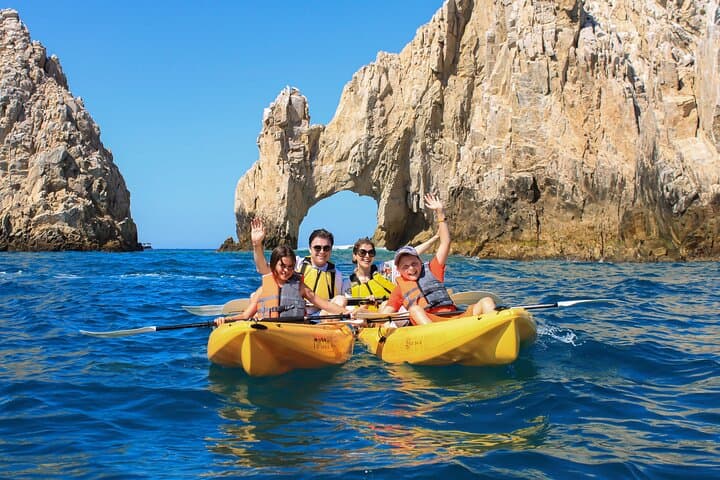
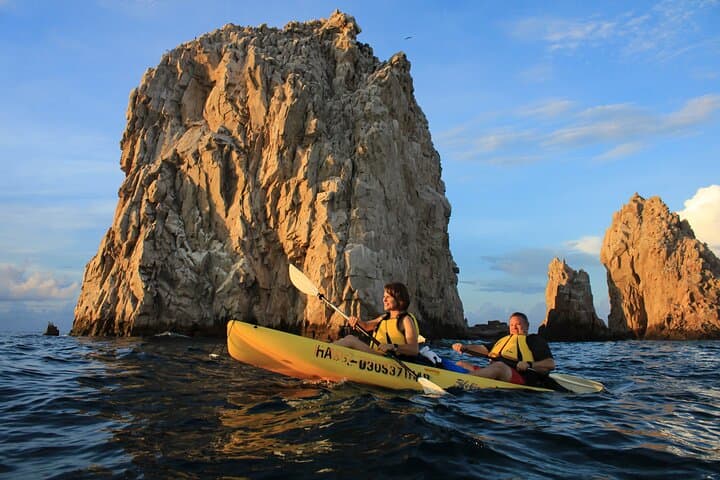
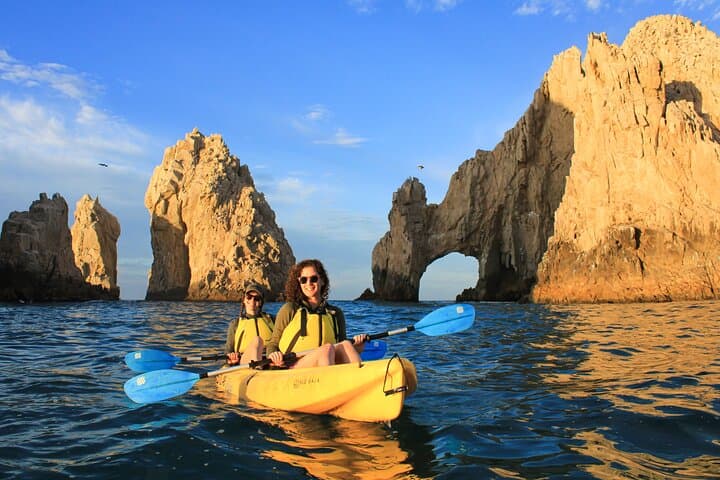
Before the town stirs and the charter boats line the marina, a handful of kayaks slip from the black sand at Playa Empacadora and head toward the ragged teeth of Land's End. The light is thin and the sea is still—your paddle wakes stir tiny diamonds across the bay as guides count off landmarks: the weathered stacks of El Arco, a tight cluster of sun-browed rocks where sea lions haul out, and the twin beaches that show how the Pacific and the Sea of Cortez shape the same coastline in different moods.
Verified experiences and guided adventures in the surrounding area.
Operated by True Baja · Cabo San Lucas, Baja California Sur
Before the town stirs and the charter boats line the marina, a handful of kayaks slip from the black sand at Playa Empacadora and head toward the ragged teeth of Land's End. The light is thin and the sea is still—your paddle wakes stir tiny diamonds across the bay as guides count off landmarks: the weathered stacks of El Arco, a tight cluster of sun-browed rocks where sea lions haul out, and the twin beaches that show how the Pacific and the Sea of Cortez shape the same coastline in different moods.
This is a short, concentrated introduction to the geology and life of southern Baja: granite cliffs scored by wind and waves, volcanic intrusions visible where the arch meets the ocean, and reefs that thrive in the nutrient-rich currents around Pelican Rock. The guides—small-group specialists who grew up watching the tides here—blend natural history with practical pointers, pointing out migratory birds, spouting whales in season, and the human story that turned Cabo from a fishing outpost into a global surf and sportfishing hub.
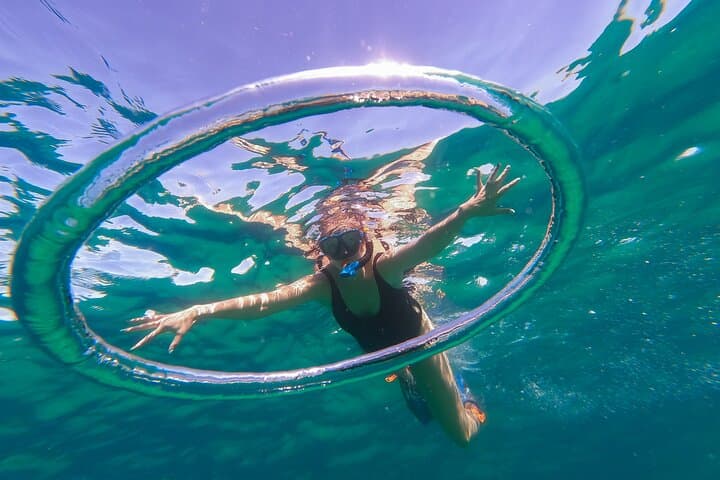
The route is straightforward but lively: roughly 3–4 kilometers of paddling round-trip, no elevation gain, and a 2½-hour window that includes stops to photograph the Arch, a brief shore break on Lovers Beach (and a short stroll to Divorce Beach for the Pacific surf), then snorkeling at Pelican Rock's reef. Hobie kayaks are stable and roomy, making the tour accessible to most people, though wind and swell on the Pacific side can be brisk—morning departures minimize that risk.
Practical details matter: meet at Playa Empacadora near the marina, arrive 10 minutes early, and expect small groups capped at about 14. Guides supply PFDs, snorkel gear, bottled water and a granola snack; tandem kayaks have weight limits and staff will help with seating assignments. If you're planning photos, bring a dry bag and a lens cloth—the spray is real. Sunscreen, reef-safe if possible, and water shoes make the whole morning more comfortable.
For travelers who want a compact, high-return sea adventure—rock formations, wildlife, a short reef snorkel and the drama of two very different beaches—this kayak expedition is efficient and experiential. It rewards early starts with calmer water, better light and a quieter encounter with Cabo’s wild side, balanced by knowledgeable guides who keep the pace steady and the safety protocols clear.
moderate.
2–3 hours.
Suitable for people who can paddle continuously for short periods and handle brief swims/snorkels; basic core strength and balance help.
The round-trip paddle and stops total about 3–4 kilometers and the whole experience lasts roughly 2.5 hours.
Yes—guides supply snorkels, masks and fins; you can bring your own mask if you prefer a personal fit.
Yes—the stable Hobie kayaks and experienced guides make this suitable for beginners, though basic balance and the ability to follow safety instructions are required.
Common sightings include sea lions at the Arch, pelicans, frigatebirds, and seasonal visits from humpback whales (winter–spring).
Yes—tandem kayak weight limits are enforced for safety; the listed maximum is about 193 kg (425 lbs) per tandem kayak.
Tours are canceled for unsafe sea or weather conditions; you’ll be notified and eligible for a refund if the operator cancels at least 24 hours prior under the policy.
Land's End (Cabo) has long been a navigational landmark for mariners; granite outcrops here are part of Baja’s complex tectonic history where peninsula uplift met marine erosion.
Choose reef-safe sunscreen, avoid touching coral or marine animals during snorkeling, and follow guide instructions to minimize disturbance to sea lion haul-outs.
True Baja operates guided outdoor trips and adventures with an emphasis on safety, stewardship, and memorable experiences.
Before the town stirs and the charter boats line the marina, a handful of kayaks slip from the black sand at Playa Empacadora and head toward the ragged teeth of Land's End. The light is thin and the sea is still—your paddle wakes stir tiny diamonds across the bay as guides count off landmarks: the weathered stacks of El Arco, a tight cluster of sun-browed rocks where sea lions haul out, and the twin beaches that show how the Pacific and the Sea of Cortez shape the same coastline in different moods.
Before the town stirs and the charter boats line the marina, a handful of kayaks slip from the black sand at Playa Empacadora and head toward the ragged teeth of Land's End. The light is thin and the sea is still—your paddle wakes stir tiny diamonds across the bay as guides count off landmarks: the weathered stacks of El Arco, a tight cluster of sun-browed rocks where sea lions haul out, and the twin beaches that show how the Pacific and the Sea of Cortez shape the same coastline in different moods.
This is a short, concentrated introduction to the geology and life of southern Baja: granite cliffs scored by wind and waves, volcanic intrusions visible where the arch meets the ocean, and reefs that thrive in the nutrient-rich currents around Pelican Rock. The guides—small-group specialists who grew up watching the tides here—blend natural history with practical pointers, pointing out migratory birds, spouting whales in season, and the human story that turned Cabo from a fishing outpost into a global surf and sportfishing hub.
The route is straightforward but lively: roughly 3–4 kilometers of paddling round-trip, no elevation gain, and a 2½-hour window that includes stops to photograph the Arch, a brief shore break on Lovers Beach (and a short stroll to Divorce Beach for the Pacific surf), then snorkeling at Pelican Rock's reef. Hobie kayaks are stable and roomy, making the tour accessible to most people, though wind and swell on the Pacific side can be brisk—morning departures minimize that risk.
Practical details matter: meet at Playa Empacadora near the marina, arrive 10 minutes early, and expect small groups capped at about 14. Guides supply PFDs, snorkel gear, bottled water and a granola snack; tandem kayaks have weight limits and staff will help with seating assignments. If you're planning photos, bring a dry bag and a lens cloth—the spray is real. Sunscreen, reef-safe if possible, and water shoes make the whole morning more comfortable.
For travelers who want a compact, high-return sea adventure—rock formations, wildlife, a short reef snorkel and the drama of two very different beaches—this kayak expedition is efficient and experiential. It rewards early starts with calmer water, better light and a quieter encounter with Cabo’s wild side, balanced by knowledgeable guides who keep the pace steady and the safety protocols clear.