THE ADVENTURE COLLECTIVE® · Independent discovery and booking for outdoor travel

Float over Luxor at sunrise, then step ashore to explore the Valley of the Kings, Hatshepsut’s terraces and the Colossi of Memnon. This half-day pairing delivers rare aerial vistas and a focused West Bank walking tour.
Float over Luxor at sunrise, then step ashore to explore the Valley of the Kings, Hatshepsut’s terraces and the Colossi of Memnon. This half-day pairing delivers rare aerial vistas and a focused West Bank walking tour.
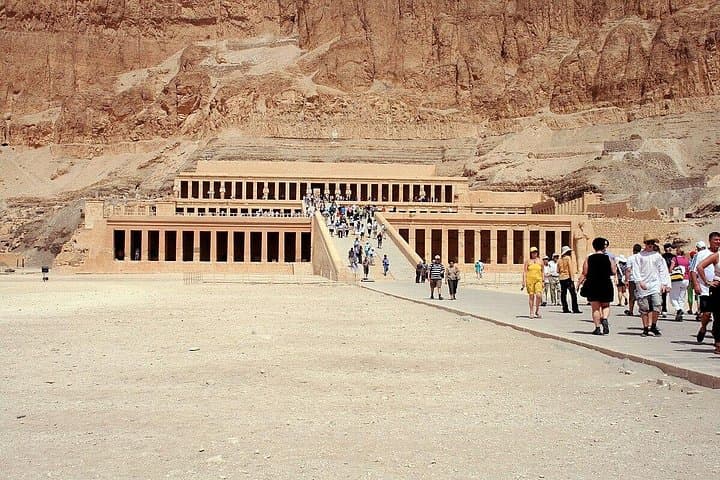
Dawn arrives over the Nile like a slow exhale: fields turn gold, minarets silhouette, and a basket lifts you above the West Bank as the sun pries light from the horizon. From 500–1,000 feet the desert opens into an archaeological map — the Valley of the Kings, the terraces of Hatshepsut, and the Colossi of Memnon shrink into a geometry of ancient planning and modern agriculture.
Verified experiences and guided adventures in the surrounding area.
Operated by Egypt Private Trips · Luxor, Luxor Governorate
Dawn arrives over the Nile like a slow exhale: fields turn gold, minarets silhouette, and a basket lifts you above the West Bank as the sun pries light from the horizon. From 500–1,000 feet the desert opens into an archaeological map — the Valley of the Kings, the terraces of Hatshepsut, and the Colossi of Memnon shrink into a geometry of ancient planning and modern agriculture.
This combined experience pairs a 35–45 minute hot air balloon flight with a focused walking tour of Luxor's West Bank. Geology and history are visible at once: limestone cliffs that once sheltered royal tombs rise from Nile alluvium, while terraces and colonnades reveal 18th Dynasty ambitions. Your guide links relief scenes to rituals, explains tomb orientation against seasonal sun paths, and notes how the Nile's sediment shaped local agriculture.
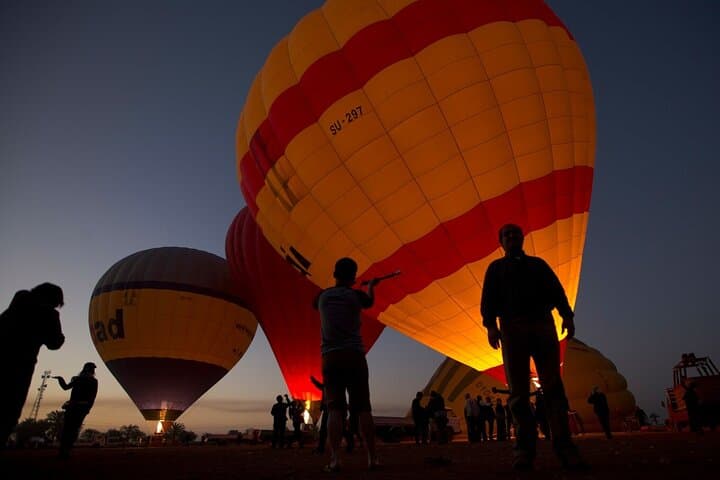
Practicalities sit close to the poetry: expect a very early pickup (around 4:30 a.m.), a short motorboat crossing, a pre-flight safety briefing, and transfers back by A/C vehicle. Flights are weather-dependent—wind or sandstorms can cancel—so have flexible plans. On the ground, prepare for uneven tomb steps, hot midday sun after the flight, and modest dress when entering religious or historic sites.
Bring layered clothing for cool mornings and hot afternoons, sun protection, and a good pair of walking shoes for tomb stairs and temple terraces. The itinerary typically runs 5–8 hours and is suitable for most fitness levels, offering a rare aerial perspective followed by intimate, on-foot encounters with Thebes’ most iconic monuments.
moderate.
5–8 hours.
Moderate fitness; able to stand during a 30–45 minute flight and walk on uneven surfaces and steps during temple and tomb visits.
Flights typically last 35–45 minutes, depending on wind conditions; total tour time is 5–8 hours including transfers and the West Bank visit.
Balloon operators usually allow a wide age range, but infants must sit on laps and guests with mobility issues should check accessibility and boarding assistance in advance.
Operators prioritize safety and will reschedule or refund according to their cancellation policy; bring flexible plans for the morning in case of weather delays.
The tour notes entry fees and guide services as options—confirm at booking which tombs and temple admissions are included, as some tombs require separate tickets.
The West Bank served as the necropolis for ancient Thebes; pharaonic mortuary complexes and tombs from the New Kingdom cluster along these limestone ridges.
Heavy visitation stresses fragile tomb paintings and desert flora; follow guide guidance, avoid touching reliefs, and use refillable water to limit single-use plastic.
Egypt Private Trips operates guided outdoor trips and adventures with an emphasis on safety, stewardship, and memorable experiences.
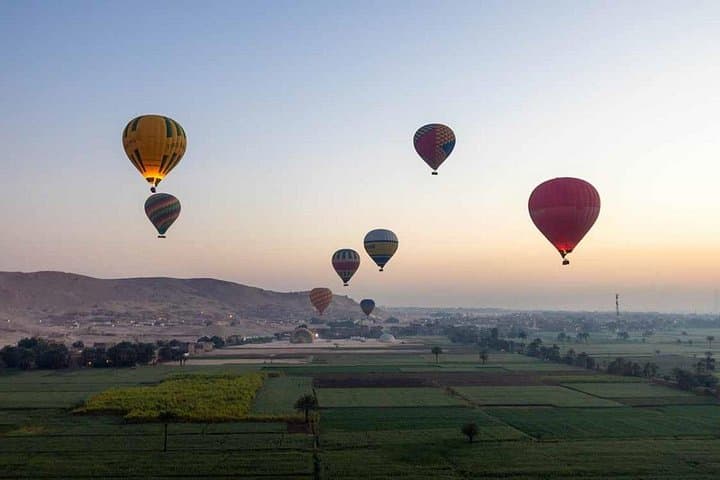
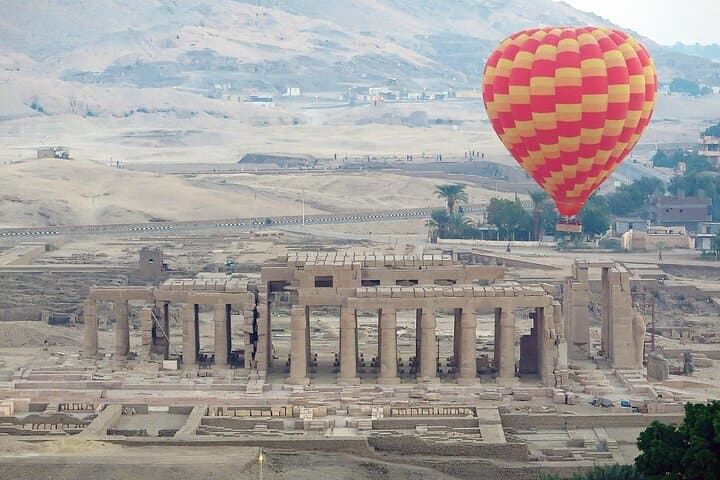
Dawn arrives over the Nile like a slow exhale: fields turn gold, minarets silhouette, and a basket lifts you above the West Bank as the sun pries light from the horizon. From 500–1,000 feet the desert opens into an archaeological map — the Valley of the Kings, the terraces of Hatshepsut, and the Colossi of Memnon shrink into a geometry of ancient planning and modern agriculture.
Dawn arrives over the Nile like a slow exhale: fields turn gold, minarets silhouette, and a basket lifts you above the West Bank as the sun pries light from the horizon. From 500–1,000 feet the desert opens into an archaeological map — the Valley of the Kings, the terraces of Hatshepsut, and the Colossi of Memnon shrink into a geometry of ancient planning and modern agriculture.
This combined experience pairs a 35–45 minute hot air balloon flight with a focused walking tour of Luxor's West Bank. Geology and history are visible at once: limestone cliffs that once sheltered royal tombs rise from Nile alluvium, while terraces and colonnades reveal 18th Dynasty ambitions. Your guide links relief scenes to rituals, explains tomb orientation against seasonal sun paths, and notes how the Nile's sediment shaped local agriculture.
Practicalities sit close to the poetry: expect a very early pickup (around 4:30 a.m.), a short motorboat crossing, a pre-flight safety briefing, and transfers back by A/C vehicle. Flights are weather-dependent—wind or sandstorms can cancel—so have flexible plans. On the ground, prepare for uneven tomb steps, hot midday sun after the flight, and modest dress when entering religious or historic sites.
Bring layered clothing for cool mornings and hot afternoons, sun protection, and a good pair of walking shoes for tomb stairs and temple terraces. The itinerary typically runs 5–8 hours and is suitable for most fitness levels, offering a rare aerial perspective followed by intimate, on-foot encounters with Thebes’ most iconic monuments.