THE ADVENTURE COLLECTIVE® · Independent discovery and booking for outdoor travel

Lift off at dawn for a quiet, panoramic flight over Teotihuacan's Pyramid of the Sun and Moon. This sunrise balloon ride mixes calm morning air, geological perspectives and a cultural post-flight toast—ideal for first-time flyers seeking a memorable aerial view.
Lift off at dawn for a quiet, panoramic flight over Teotihuacan's Pyramid of the Sun and Moon. This sunrise balloon ride mixes calm morning air, geological perspectives and a cultural post-flight toast—ideal for first-time flyers seeking a memorable aerial view.
Early light washes the Valley of Teotihuacan in a slow, gold hush as burners hiss and a wicker basket lifts off from the launch field. From the basket the Plaza of the Sun and Moon recede into geometric clarity, the grid of ancient avenues revealing how this place once organized the horizon. Wind nudges the balloon and the pilot reads the air like a map; below, farmland and volcanic foothills frame the archaeological site.
Verified experiences and guided adventures in the surrounding area.
Operated by Stratours · San Martín de las Pirámides, State of Mexico
Early light washes the Valley of Teotihuacan in a slow, gold hush as burners hiss and a wicker basket lifts off from the launch field. From the basket the Plaza of the Sun and Moon recede into geometric clarity, the grid of ancient avenues revealing how this place once organized the horizon. Wind nudges the balloon and the pilot reads the air like a map; below, farmland and volcanic foothills frame the archaeological site.
Teotihuacan's pyramids date to the first half of the first millennium CE, built atop volcanic deposits and lakebed soils that shaped the valley's flat expanses. Piloting a balloon here is as much about thermal timing as it is about history—the morning inversion offers the calm, stable air that keeps flights smooth and photogenic. Local culture threads through the experience: crews serve coffee, a traditional post-flight toast is common, and many operators present a flight certificate to mark the moment.
Practical notes: flights typically run 4–6 hours door-to-door with about an hour airborne, require minimal fitness but do ask you to stand during the ride, and are not recommended for pregnant travelers or those with serious spinal or heart conditions. Weather cancels are common—sunrise windows are chosen for stable conditions—and operators often include pickup from Mexico City or nearby towns.
Plan layers for cool mornings, secure cameras against the breeze, and book directly with experienced local pilots to prioritize safety and local knowledge. After landing, many choose the optional breakfast or to continue on foot through the archaeological site for a ground-level connection to the vistas they just floated over.
easy.
4–6 hours (including pick-up and return; ~60 minutes airborne).
Suitable for most fitness levels; riders should be able to stand for the duration of the flight and step in/out of a low basket.
The airborne portion is typically about 45–75 minutes, though the overall experience including pickup, setup, and post-flight ceremony runs 4–6 hours.
Most operators accept a wide range of ages but may have weight limits per passenger or basket; the provider will confirm during booking—pregnant travelers and those with serious heart or spinal conditions should not fly.
Flights are commonly canceled for wind or rain; reputable companies will reschedule or refund if conditions make flying unsafe.
Many packages offer an optional post-flight visit to the Teotihuacan site, either self-guided or with a local guide—verify inclusions when booking.
Teotihuacan was a major Mesoamerican city by the 1st millennium CE; its broad avenues and monumental pyramids reflect urban planning on volcanic plains.
Operators and local groups encourage staying on paths at archaeological sites and packing out waste; balloon crews typically coordinate landings to minimize crop disturbance.
Stratours operates guided outdoor trips and adventures with an emphasis on safety, stewardship, and memorable experiences.
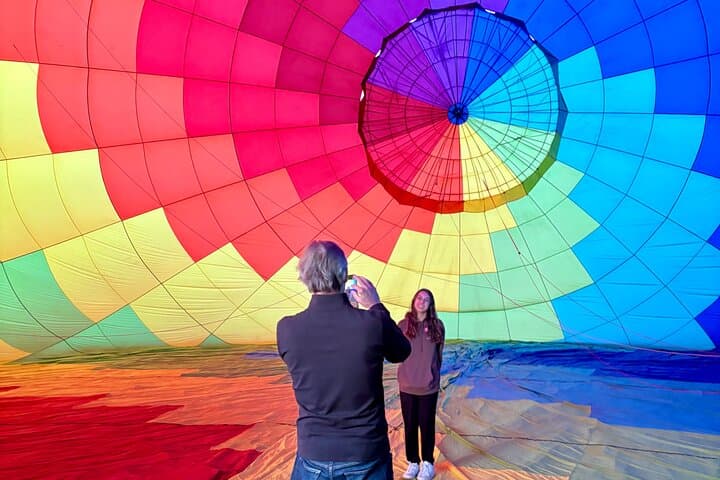
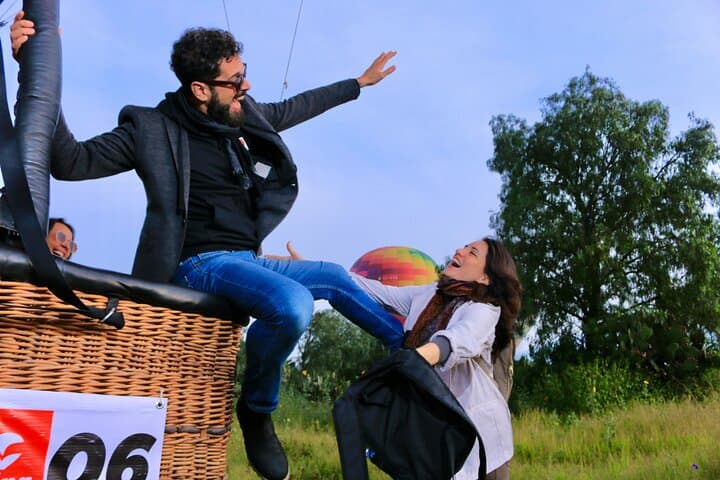
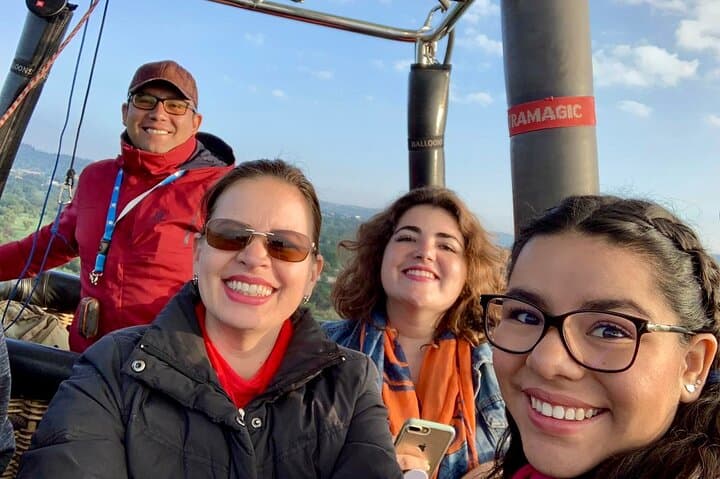
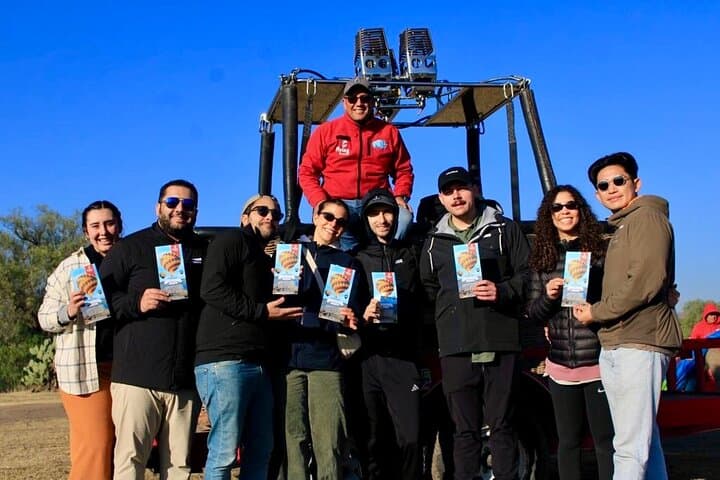
Early light washes the Valley of Teotihuacan in a slow, gold hush as burners hiss and a wicker basket lifts off from the launch field. From the basket the Plaza of the Sun and Moon recede into geometric clarity, the grid of ancient avenues revealing how this place once organized the horizon. Wind nudges the balloon and the pilot reads the air like a map; below, farmland and volcanic foothills frame the archaeological site.
Early light washes the Valley of Teotihuacan in a slow, gold hush as burners hiss and a wicker basket lifts off from the launch field. From the basket the Plaza of the Sun and Moon recede into geometric clarity, the grid of ancient avenues revealing how this place once organized the horizon. Wind nudges the balloon and the pilot reads the air like a map; below, farmland and volcanic foothills frame the archaeological site.
Teotihuacan's pyramids date to the first half of the first millennium CE, built atop volcanic deposits and lakebed soils that shaped the valley's flat expanses. Piloting a balloon here is as much about thermal timing as it is about history—the morning inversion offers the calm, stable air that keeps flights smooth and photogenic. Local culture threads through the experience: crews serve coffee, a traditional post-flight toast is common, and many operators present a flight certificate to mark the moment.
Practical notes: flights typically run 4–6 hours door-to-door with about an hour airborne, require minimal fitness but do ask you to stand during the ride, and are not recommended for pregnant travelers or those with serious spinal or heart conditions. Weather cancels are common—sunrise windows are chosen for stable conditions—and operators often include pickup from Mexico City or nearby towns.
Plan layers for cool mornings, secure cameras against the breeze, and book directly with experienced local pilots to prioritize safety and local knowledge. After landing, many choose the optional breakfast or to continue on foot through the archaeological site for a ground-level connection to the vistas they just floated over.