THE ADVENTURE COLLECTIVE® · Independent discovery and booking for outdoor travel

Rise above Luxor at first light and watch the Nile and ancient temples unfold beneath your balloon. This early-morning ride offers 45–50 minutes of airborne views across the world’s largest open‑air museum, with hotel pickup, light breakfast, and expert pilots.
Rise above Luxor at first light and watch the Nile and ancient temples unfold beneath your balloon. This early-morning ride offers 45–50 minutes of airborne views across the world’s largest open‑air museum, with hotel pickup, light breakfast, and expert pilots.
Before dawn, the basket hums and a pale line of light unfolds over the West Bank. Passengers are shepherded from hotel lobbies into cool, air-conditioned vans; the desert air tastes of dust and cardamom from roadside tea kettles. As burners breathe, the balloon lifts and Luxor’s ruins spread beneath like a map of time — temple roofs, the Nile ribbon, and the blocky silhouettes of tombs on the Valley of the Kings.
Verified experiences and guided adventures in the surrounding area.
Operated by hot air balloon in luxor · Luxor, Luxor Governorate
Before dawn, the basket hums and a pale line of light unfolds over the West Bank. Passengers are shepherded from hotel lobbies into cool, air-conditioned vans; the desert air tastes of dust and cardamom from roadside tea kettles. As burners breathe, the balloon lifts and Luxor’s ruins spread beneath like a map of time — temple roofs, the Nile ribbon, and the blocky silhouettes of tombs on the Valley of the Kings.
This flight crosses the heart of ancient Thebes, the political and religious capital of New Kingdom Egypt. Geology here is simple but dramatic: a fertile Nile floodplain pressed against Eocene limestone cliffs that house centuries of carved tombs. Culture remains visible in working fields, feluccas sliding on the river, and the steady procession of date palms lining the banks.
Expect about 45–50 minutes of airborne time inside a roughly three-hour excursion that includes pickup, light breakfast and transfers. The experience is sensory — burner blasts punctuate quiet air, birdcalls and the river’s glide below seem to dare you to look away. Operators typically limit shared flights to small groups, and flights are scheduled at sunrise when thermals are calm and light is best for photographing reliefs and shadowed colonnades.
Practical notes: dress in layers for chilly mornings, bring sunscreen and a secure camera strap, and keep passport information handy for pickup. Flights are weather-dependent — wind or poor visibility can cancel same day. For conservation-minded travelers, stick to designated paths at landing zones and support operators who respect archaeological sites.
easy.
3 hours.
Suitable for most fitness levels; participants must be able to step in and out of the basket and stand for the flight.
The aerial portion is typically 45–50 minutes, with the total excursion about three hours including transfers and breakfast.
Policies vary by operator; some ask for weight details at booking and infants must sit on laps — confirm during reservation.
Operators usually offer a full refund or rescheduling; cancellations are common for high winds or poor visibility for safety reasons.
Yes, most packages include early morning pickup and return to central Luxor hotels; confirm exact pickup time and location when booking.
Luxor sits on the site of ancient Thebes, home to Karnak and Luxor Temples and the funerary complexes of the Valley of the Kings from Egypt’s New Kingdom.
Respect archaeological sites and local communities by avoiding litter, using licensed operators, and choosing companies that coordinate safe landings away from sensitive ruins.
hot air balloon in luxor operates guided outdoor trips and adventures with an emphasis on safety, stewardship, and memorable experiences.
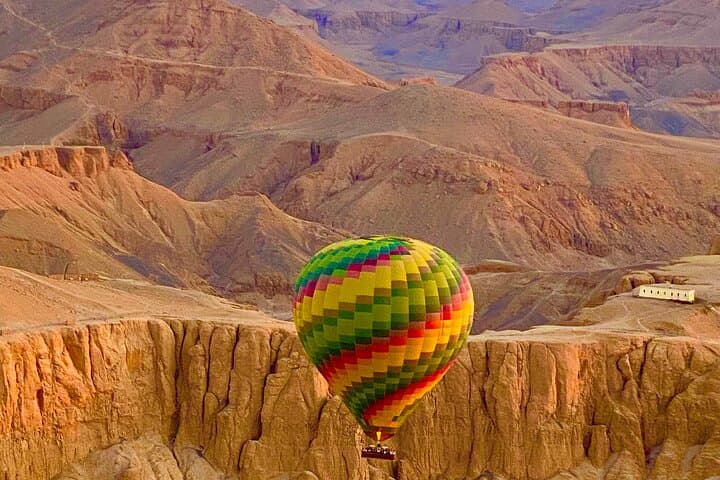
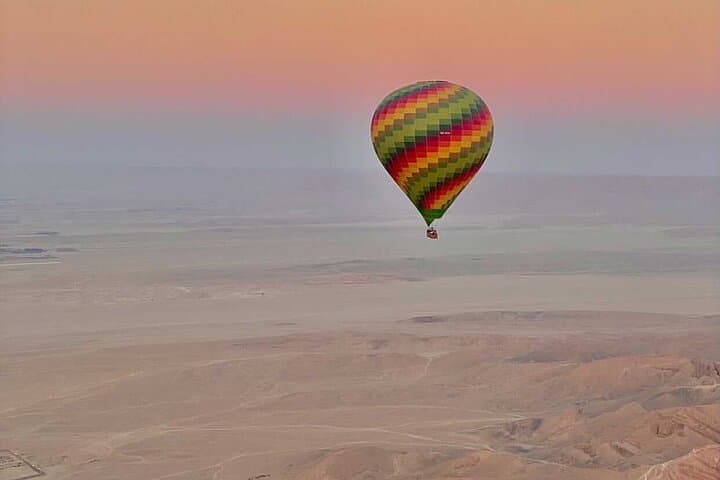
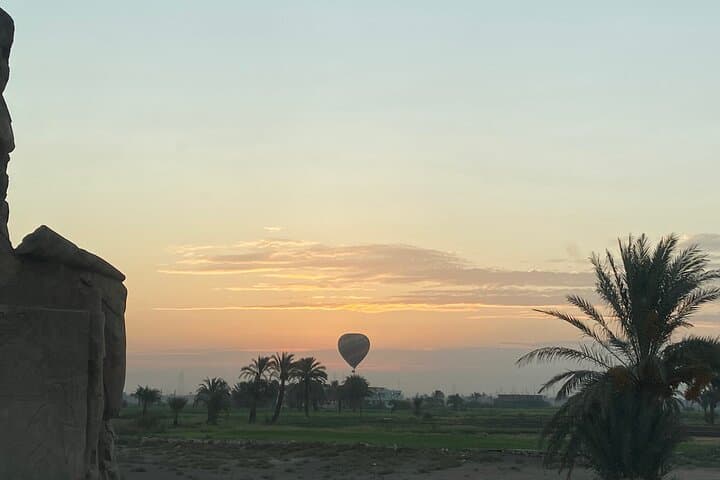
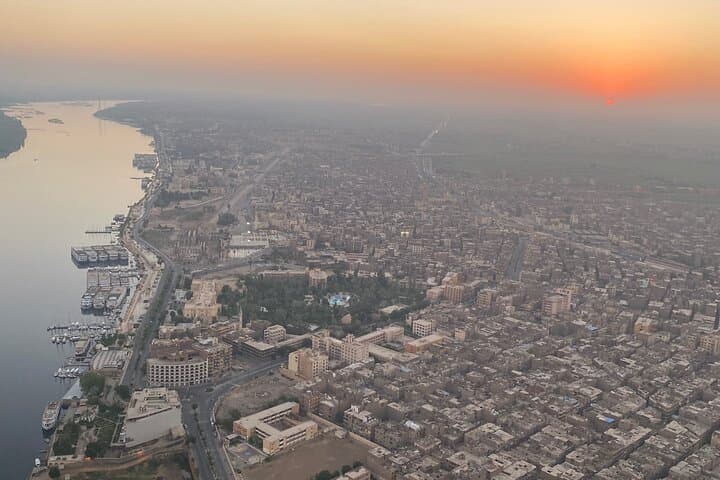
Before dawn, the basket hums and a pale line of light unfolds over the West Bank. Passengers are shepherded from hotel lobbies into cool, air-conditioned vans; the desert air tastes of dust and cardamom from roadside tea kettles. As burners breathe, the balloon lifts and Luxor’s ruins spread beneath like a map of time — temple roofs, the Nile ribbon, and the blocky silhouettes of tombs on the Valley of the Kings.
Before dawn, the basket hums and a pale line of light unfolds over the West Bank. Passengers are shepherded from hotel lobbies into cool, air-conditioned vans; the desert air tastes of dust and cardamom from roadside tea kettles. As burners breathe, the balloon lifts and Luxor’s ruins spread beneath like a map of time — temple roofs, the Nile ribbon, and the blocky silhouettes of tombs on the Valley of the Kings.
This flight crosses the heart of ancient Thebes, the political and religious capital of New Kingdom Egypt. Geology here is simple but dramatic: a fertile Nile floodplain pressed against Eocene limestone cliffs that house centuries of carved tombs. Culture remains visible in working fields, feluccas sliding on the river, and the steady procession of date palms lining the banks.
Expect about 45–50 minutes of airborne time inside a roughly three-hour excursion that includes pickup, light breakfast and transfers. The experience is sensory — burner blasts punctuate quiet air, birdcalls and the river’s glide below seem to dare you to look away. Operators typically limit shared flights to small groups, and flights are scheduled at sunrise when thermals are calm and light is best for photographing reliefs and shadowed colonnades.
Practical notes: dress in layers for chilly mornings, bring sunscreen and a secure camera strap, and keep passport information handy for pickup. Flights are weather-dependent — wind or poor visibility can cancel same day. For conservation-minded travelers, stick to designated paths at landing zones and support operators who respect archaeological sites.