THE ADVENTURE COLLECTIVE® · Independent discovery and booking for outdoor travel

Rise before dawn to float above Teotihuacan’s pyramids, land for breakfast inside a natural cave, then tour the archaeological zone with a certified guide. This early-morning combo pairs aerial perspective with hands-on history.
Rise before dawn to float above Teotihuacan’s pyramids, land for breakfast inside a natural cave, then tour the archaeological zone with a certified guide. This early-morning combo pairs aerial perspective with hands-on history.
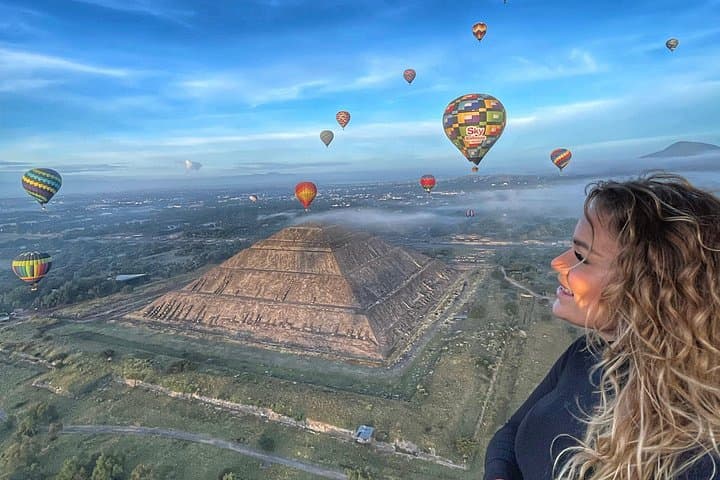
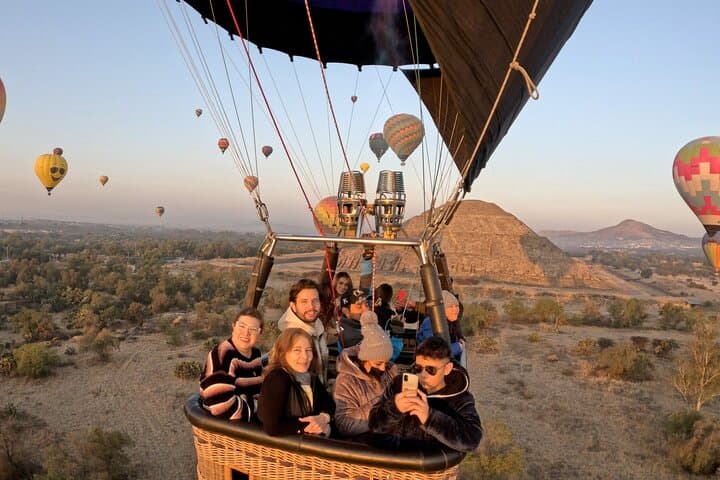
At first light the burners open with a soft roar and the balloons lift like slow, patient birds above the high plain. From the wicker basket guests watch the Pyramid of the Sun and the Avenue of the Dead shrink and reassemble into geometry — terraces, plazas and causeways laid down by a civilization that planned for eternity.
Verified experiences and guided adventures in the surrounding area.
Operated by Aerostat Vuelo en Globo · Teotihuacán, State of Mexico
At first light the burners open with a soft roar and the balloons lift like slow, patient birds above the high plain. From the wicker basket guests watch the Pyramid of the Sun and the Avenue of the Dead shrink and reassemble into geometry — terraces, plazas and causeways laid down by a civilization that planned for eternity.
Teotihuacan rose between the 1st and 7th centuries AD and remains one of Mesoamerica’s largest pre-Columbian cities. The plains around it are volcanic: obsidian outcrops and basalt beds supplied tools and trade goods for ancient craftsmen. Modern guides thread archaeological facts — construction phases, mural fragments, ritual avenues — with hands-on demonstrations of local crafts and an optional liquor tasting made from regional agave spirits.
Practically, this is an early, full-day outing: hotel pickup around 4:10–4:50 a.m., a pre-dawn balloon launch at sunrise, followed by a cave-set breakfast and a certified guide tour of the pyramids before an afternoon return to Mexico City. Weather and wind decide whether the balloon skirts or hovers over the archaeological zone; flights are shared and subject to strict safety and weight limits. Expect uneven stone steps at the pyramids, dusty paths, and crowds mid-morning.
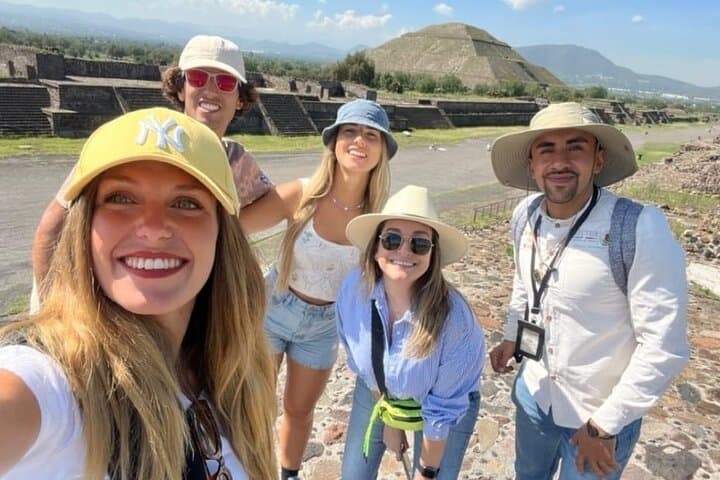
Bring layered clothing for cold mornings, sturdy shoes for walking on ancient stone, and a camera with a spare battery. Respect the site: stay on marked paths, follow your guide, and avoid drones or touching fragile masonry. The reward is a different scale on history — a city that still reaches up to meet the sky.
moderate.
8 hours.
Moderately fit: able to walk on uneven surfaces, climb stairs and tolerate an early-morning start.
Flight time varies with conditions but typical sunrise flights last 40–60 minutes, with the full tour lasting about 8 hours including transfers and site visits.
That depends on wind direction and safety authorities; flights may circle the zone or pass nearby rather than flying directly above sensitive structures.
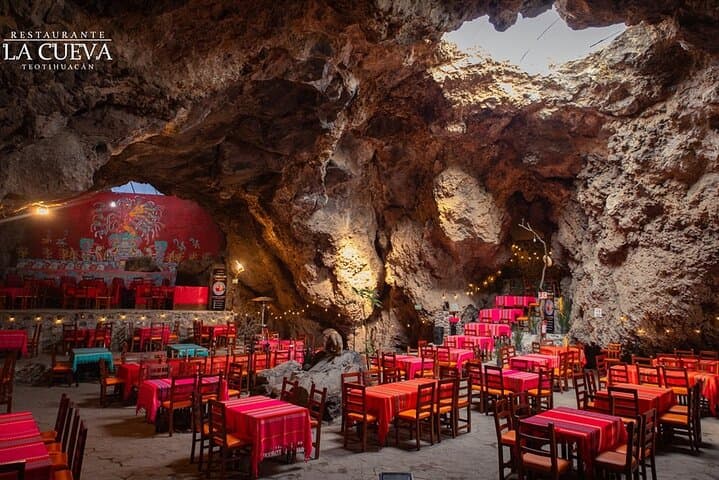
Yes—breakfast is included in the package and is served in a natural cave near the launch area with a set Mexican menu and refillable drinks.
This activity is not recommended for pregnant travelers or those with serious cardiovascular or spinal conditions; operators request health and weight information at booking.
Teotihuacan was a major urban center between roughly 100–700 AD; its pyramids and avenue system reflect centralized planning and long-distance obsidian trade.
Teotihuacan is a protected archaeological site—visitors must follow marked paths, avoid climbing restricted structures, and respect preservation rules to limit erosion and damage.
Aerostat Vuelo en Globo operates guided outdoor trips and adventures with an emphasis on safety, stewardship, and memorable experiences.
At first light the burners open with a soft roar and the balloons lift like slow, patient birds above the high plain. From the wicker basket guests watch the Pyramid of the Sun and the Avenue of the Dead shrink and reassemble into geometry — terraces, plazas and causeways laid down by a civilization that planned for eternity.
At first light the burners open with a soft roar and the balloons lift like slow, patient birds above the high plain. From the wicker basket guests watch the Pyramid of the Sun and the Avenue of the Dead shrink and reassemble into geometry — terraces, plazas and causeways laid down by a civilization that planned for eternity.
Teotihuacan rose between the 1st and 7th centuries AD and remains one of Mesoamerica’s largest pre-Columbian cities. The plains around it are volcanic: obsidian outcrops and basalt beds supplied tools and trade goods for ancient craftsmen. Modern guides thread archaeological facts — construction phases, mural fragments, ritual avenues — with hands-on demonstrations of local crafts and an optional liquor tasting made from regional agave spirits.
Practically, this is an early, full-day outing: hotel pickup around 4:10–4:50 a.m., a pre-dawn balloon launch at sunrise, followed by a cave-set breakfast and a certified guide tour of the pyramids before an afternoon return to Mexico City. Weather and wind decide whether the balloon skirts or hovers over the archaeological zone; flights are shared and subject to strict safety and weight limits. Expect uneven stone steps at the pyramids, dusty paths, and crowds mid-morning.
Bring layered clothing for cold mornings, sturdy shoes for walking on ancient stone, and a camera with a spare battery. Respect the site: stay on marked paths, follow your guide, and avoid drones or touching fragile masonry. The reward is a different scale on history — a city that still reaches up to meet the sky.