THE ADVENTURE COLLECTIVE® · Independent discovery and booking for outdoor travel

Lift off at first light for a one-hour shared balloon flight over Teotihuacan, then explore the archaeological zone with a guided visit, local pulque and mezcal workshops, and breakfast. This five- to six-hour tour combines aerial perspective with close-up history and cultural tasting.
Lift off at first light for a one-hour shared balloon flight over Teotihuacan, then explore the archaeological zone with a guided visit, local pulque and mezcal workshops, and breakfast. This five- to six-hour tour combines aerial perspective with close-up history and cultural tasting.
Before dawn the basket rocks and a cold wind cuts across the plain as burners stitch light into the fabric of the balloon. You rise smoothly above the Avenue of the Dead; the Pyramid of the Sun slips from silhouette into gold. Conversation hushes and the valley opens—agricultural plots, volcanic ridgelines and the geometry of an urban plan laid down more than a millennium ago.
Verified experiences and guided adventures in the surrounding area.
Operated by Huapango Travels · San Juan Teotihuacán, Estado de México
Before dawn the basket rocks and a cold wind cuts across the plain as burners stitch light into the fabric of the balloon. You rise smoothly above the Avenue of the Dead; the Pyramid of the Sun slips from silhouette into gold. Conversation hushes and the valley opens—agricultural plots, volcanic ridgelines and the geometry of an urban plan laid down more than a millennium ago.
Teotihuacan was one of pre-Columbian Mesoamerica’s largest cities, its pyramids and broad avenues constructed between about 1 and 700 CE. The plateau sits on old volcanic deposits; basalt and volcanic tuff form the pyramidal platforms and the surrounding cuestas shape local drainage and views. Nearby towns keep alive pulque and mezcal traditions—tasting rooms and small workshops during the post-flight visit connect the flight’s aerial sweep with living culture below.
Practically, expect a five- to six-hour excursion: early pickup from Mexico City, a one-hour shared balloon flight, then a guided two-hour walk through the archaeological zone and a visit to local pulque/mezcal workshops with breakfast included. Weather and wind determine launch sites and timing; certified pilots brief passengers on safety and landing procedures. Wear layers for the chill at dawn, sturdy shoes for uneven terraces, and carry a fully charged camera with spare batteries—light and low-angle sun make for dramatic images. If you want a quieter moment, step away from the main plaza to the Moon Pyramid terrace before crowds arrive.
easy.
5–6 hours.
Suitable for most fitness levels; requires short periods of walking on uneven ground and standing during the visit.
The airborne portion is approximately one hour; the total excursion including transfers and the archaeological visit runs 5–6 hours.
Operators use certified pilots and equipment; the tour is rated easy and generally suitable for most ages, but check weight and mobility requirements at booking.
Policies vary; this tour allows refunds if cancelled more than 24 hours before departure—operators typically rebook or refund when flights are unsafe due to weather.
Yes—the tour includes balloon flight, site admission, a breakfast, and transportation from agreed pickup points.
Teotihuacan grew into a major urban center between roughly 1–700 CE; its street grid and monumental pyramids influenced later Mesoamerican cultures.
High visitor numbers strain fragile stonework—follow paths, avoid touching masonry, and support local conservation efforts by using licensed guides.
Huapango Travels operates guided outdoor trips and adventures with an emphasis on safety, stewardship, and memorable experiences.
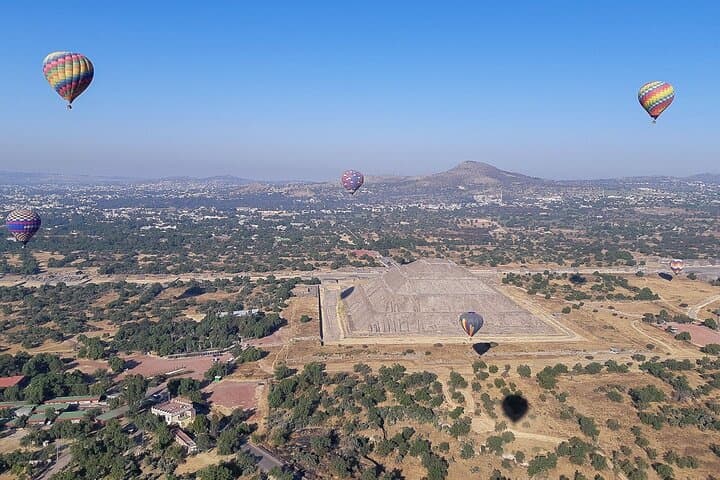
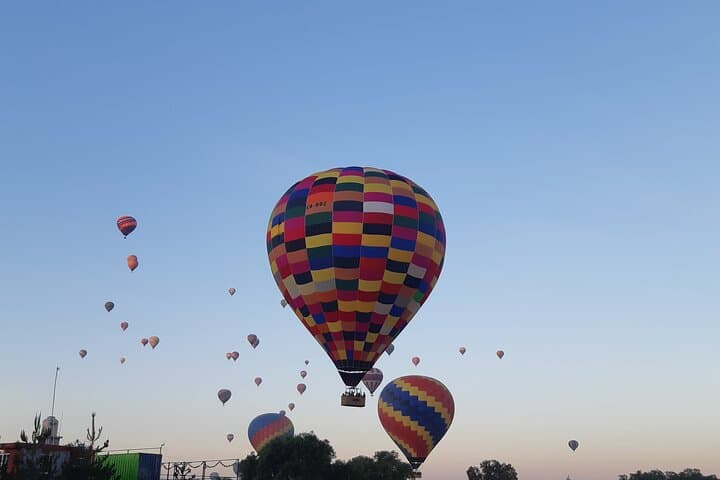
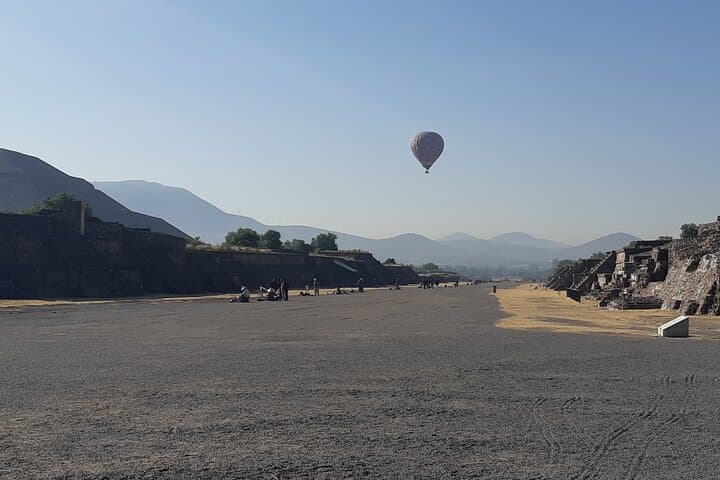
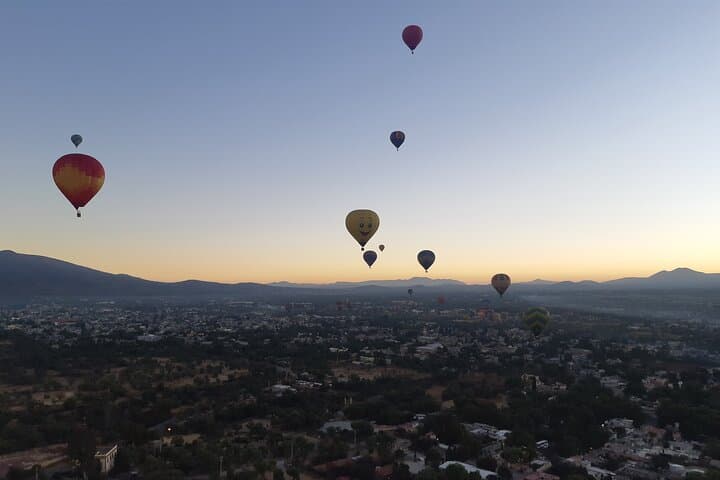
Before dawn the basket rocks and a cold wind cuts across the plain as burners stitch light into the fabric of the balloon. You rise smoothly above the Avenue of the Dead; the Pyramid of the Sun slips from silhouette into gold. Conversation hushes and the valley opens—agricultural plots, volcanic ridgelines and the geometry of an urban plan laid down more than a millennium ago.
Before dawn the basket rocks and a cold wind cuts across the plain as burners stitch light into the fabric of the balloon. You rise smoothly above the Avenue of the Dead; the Pyramid of the Sun slips from silhouette into gold. Conversation hushes and the valley opens—agricultural plots, volcanic ridgelines and the geometry of an urban plan laid down more than a millennium ago.
Teotihuacan was one of pre-Columbian Mesoamerica’s largest cities, its pyramids and broad avenues constructed between about 1 and 700 CE. The plateau sits on old volcanic deposits; basalt and volcanic tuff form the pyramidal platforms and the surrounding cuestas shape local drainage and views. Nearby towns keep alive pulque and mezcal traditions—tasting rooms and small workshops during the post-flight visit connect the flight’s aerial sweep with living culture below.
Practically, expect a five- to six-hour excursion: early pickup from Mexico City, a one-hour shared balloon flight, then a guided two-hour walk through the archaeological zone and a visit to local pulque/mezcal workshops with breakfast included. Weather and wind determine launch sites and timing; certified pilots brief passengers on safety and landing procedures. Wear layers for the chill at dawn, sturdy shoes for uneven terraces, and carry a fully charged camera with spare batteries—light and low-angle sun make for dramatic images. If you want a quieter moment, step away from the main plaza to the Moon Pyramid terrace before crowds arrive.