THE ADVENTURE COLLECTIVE® · Independent discovery and booking for outdoor travel

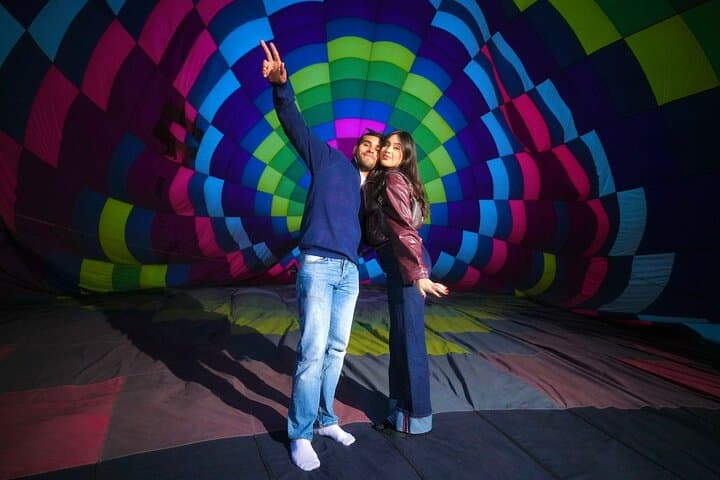
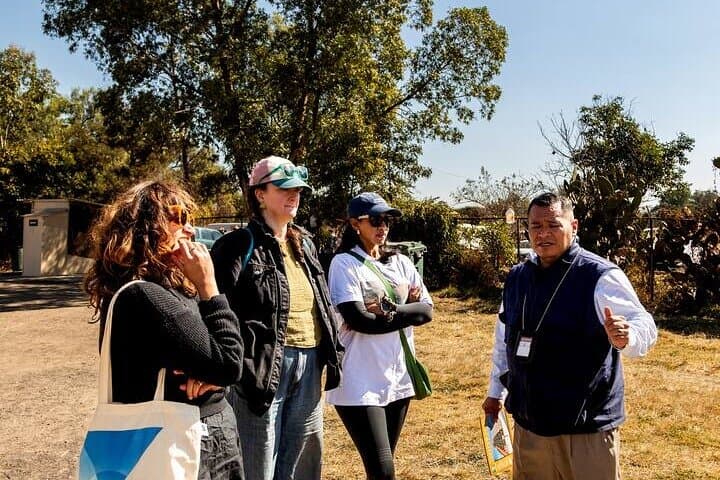
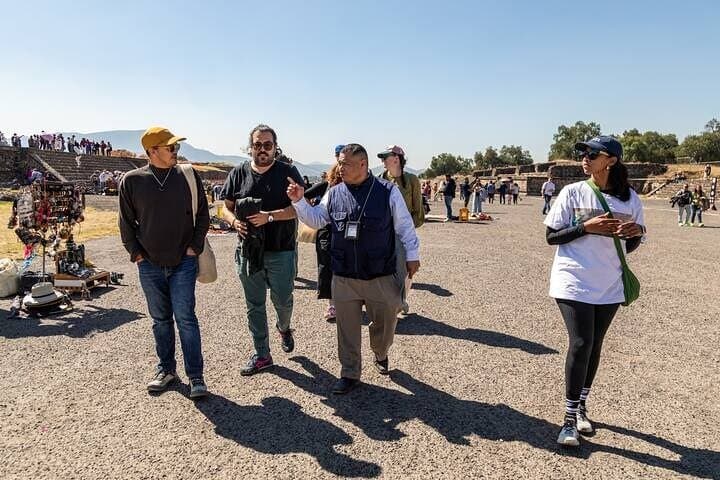
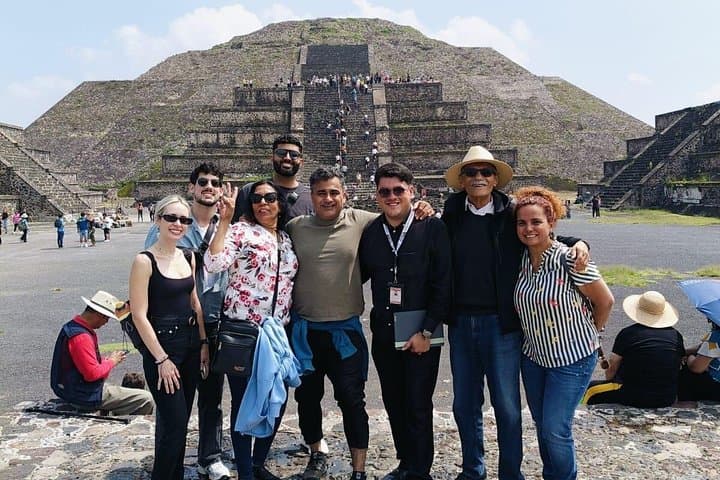
Float over Teotihuacan at sunrise for a compact, unforgettable view of the Pyramid of the Sun and the valley’s volcanic plains. This half-day experience includes transport, breakfast, and a short balloon flight—perfect for tight itineraries.
Float over Teotihuacan at sunrise for a compact, unforgettable view of the Pyramid of the Sun and the valley’s volcanic plains. This half-day experience includes transport, breakfast, and a short balloon flight—perfect for tight itineraries.
You lift off in the blue hour and the valley below unfolds: the Pyramid of the Sun casts a long shadow, fields steam in the morning cold, and the mosaic of dirt roads and agave patches moves beneath the basket.
Verified experiences and guided adventures in the surrounding area.
Operated by JOSE ULISES CID HINOJOSA · Teotihuacán, State of Mexico
You lift off in the blue hour and the valley below unfolds: the Pyramid of the Sun casts a long shadow, fields steam in the morning cold, and the mosaic of dirt roads and agave patches moves beneath the basket.
Teotihuacan’s broad avenues and monumental pyramids date to the first half of the first millennium CE, built on a volcanic plateau shaped by ancient eruptions and lava flows. From the air you read the site’s geometry—avenues, plazas and the alignment that once guided ceremonies—and the geology becomes obvious: dark obsidian outcrops and flat volcanic plains that kept builders’ stone close at hand.
Local communities still run small markets and workshops in nearby San Juan Teotihuacán, and flights often end with a light breakfast and a ceremonial toast—contemporary ritual layered on centuries of human activity.
Practical notes: the advertised outing runs about six hours door-to-door with roughly a 35–45 minute balloon flight. Flights launch near 2,300 m elevation, so arrive hydrated and allow extra time for the early pickup from Mexico City. The operator supplies bottled water, coffee, and a post-flight certificate; weight and health restrictions apply.
Dress in quiet layers—mornings on the plateau are cold, warming quickly as the sun climbs. Bring a camera with a neck strap, sunglasses, and a compact daypack. Expect gentle breezes, pockets of turbulence during altitude changes, and spectacular, unobstructed light for photography. This is a brief, high-impact way to see Teotihuacan from the perspective that once watched the sun cross the same sky their architects framed.
easy.
6 hours (includes transport; ~40 min flight).
Suitable for most travelers who can stand unaided for the flight and manage short periods of boarding and disembarking; be cautious with cardiovascular issues.
The airborne portion is roughly 35–45 minutes; the full outing including transport and breakfast is about six hours door-to-door.
Yes: operators typically restrict pregnancy, recent surgery, and serious heart or spinal conditions; exact weight limits are requested at booking.
No prior experience is required—briefing and guidance are provided by the crew; the activity is rated easy physically.
Flights are canceled for unsafe conditions; booking policies usually allow full refunds if canceled at least 24 hours in advance or for weather.
Teotihuacan was a major Mesoamerican city, flourishing between about 100–650 CE; its monumental avenues and pyramids reflect complex urban planning and ritual practice.
Operators limit landings and use established launch fields to reduce site impact; visitors should stay on designated paths and avoid touching ancient structures.
JOSE ULISES CID HINOJOSA operates guided outdoor trips and adventures with an emphasis on safety, stewardship, and memorable experiences.
You lift off in the blue hour and the valley below unfolds: the Pyramid of the Sun casts a long shadow, fields steam in the morning cold, and the mosaic of dirt roads and agave patches moves beneath the basket.
You lift off in the blue hour and the valley below unfolds: the Pyramid of the Sun casts a long shadow, fields steam in the morning cold, and the mosaic of dirt roads and agave patches moves beneath the basket.
Teotihuacan’s broad avenues and monumental pyramids date to the first half of the first millennium CE, built on a volcanic plateau shaped by ancient eruptions and lava flows. From the air you read the site’s geometry—avenues, plazas and the alignment that once guided ceremonies—and the geology becomes obvious: dark obsidian outcrops and flat volcanic plains that kept builders’ stone close at hand.
Local communities still run small markets and workshops in nearby San Juan Teotihuacán, and flights often end with a light breakfast and a ceremonial toast—contemporary ritual layered on centuries of human activity.
Practical notes: the advertised outing runs about six hours door-to-door with roughly a 35–45 minute balloon flight. Flights launch near 2,300 m elevation, so arrive hydrated and allow extra time for the early pickup from Mexico City. The operator supplies bottled water, coffee, and a post-flight certificate; weight and health restrictions apply.
Dress in quiet layers—mornings on the plateau are cold, warming quickly as the sun climbs. Bring a camera with a neck strap, sunglasses, and a compact daypack. Expect gentle breezes, pockets of turbulence during altitude changes, and spectacular, unobstructed light for photography. This is a brief, high-impact way to see Teotihuacan from the perspective that once watched the sun cross the same sky their architects framed.