THE ADVENTURE COLLECTIVE® · Independent discovery and booking for outdoor travel

Float over Teotihuacan at dawn, follow a pilot-led balloon flight, then enjoy a cave breakfast and two hours exploring the pyramids. This all-inclusive half- to full-day tour blends aerial perspective with hands-on cultural experiences.
Float over Teotihuacan at dawn, follow a pilot-led balloon flight, then enjoy a cave breakfast and two hours exploring the pyramids. This all-inclusive half- to full-day tour blends aerial perspective with hands-on cultural experiences.
You lift off before sunrise, the basket sliding upward as the valley exhales mist and the wind becomes your pilot. The balloon leaves the routine of Mexico City behind and drifts over the broad flat of the Teotihuacan basin; terraces, irrigation scars and the massive silhouettes of the Pyramid of the Sun and Pyramid of the Moon shrink into a geometric landscape below.
Verified experiences and guided adventures in the surrounding area.
Operated by Aerodiverti · Teotihuacán, State of Mexico
You lift off before sunrise, the basket sliding upward as the valley exhales mist and the wind becomes your pilot. The balloon leaves the routine of Mexico City behind and drifts over the broad flat of the Teotihuacan basin; terraces, irrigation scars and the massive silhouettes of the Pyramid of the Sun and Pyramid of the Moon shrink into a geometric landscape below.
Teotihuacan was one of Mesoamerica’s largest urban centers between roughly 100–700 CE — an engineered grid of avenues and plazas built on volcanic soils and ash that still influence local agriculture and masonry. The pyramids are volcanic-stone platforms; the steep stone steps you’ll later climb were paved and repaired over centuries. Culture remains tangible: pulque and mezcal appear in ceremonial tastings, while cave restaurants like La Gruta reuse natural rock chambers for food and ritual.
Practically, expect a 40–60 minute flight followed by a buffet breakfast in a cave-style restaurant, a craft workshop and a two-hour self-guided visit to the archaeological zone. The site sits around 2,300 m (7,500 ft), so mornings are cool and sun is intense once it climbs; the ground at the ruins is compacted dirt and worn stone with steep steps on pyramid climbs. Wear sturdy shoes, layer for temperature swings, and bring sun protection and water.
Tours include pickup from Mexico City, a short briefing and a post-flight toast. Landings are chosen by the pilot and ground crew, so flexibility and light luggage make the day smoother. This is an accessible but active half- to full-day outing that pairs aerial perspective with hands-on cultural context.
moderate.
3–7 hours.
Moderate fitness recommended: able to stand during the flight and walk on uneven stone steps for up to 2 hours.
Typical flights last about 40–60 minutes; total tour time including breakfast and the archaeological visit runs 3–7 hours.
Operators ask for passenger weight at booking and do not recommend the activity for pregnant travelers or those with serious cardiovascular or spinal conditions.
Flights depend on morning conditions; check cancellation policy—refunds usually apply if you cancel at least 24 hours prior or if the operator cancels for safety.
The archaeological zone admission is included on this tour and the itinerary typically allows about two hours for independent exploration.
Teotihuacan was a major Classic-period city (c. 100–700 CE) that influenced Mesoamerican culture; the Avenue of the Dead and large pyramids reflect civic and ritual planning on volcanic ground.
The archaeological zone limits where visitors can walk to protect structures—stay on marked paths, avoid touching masonry and support local guides and licensed vendors to reduce impact.
Aerodiverti operates guided outdoor trips and adventures with an emphasis on safety, stewardship, and memorable experiences.
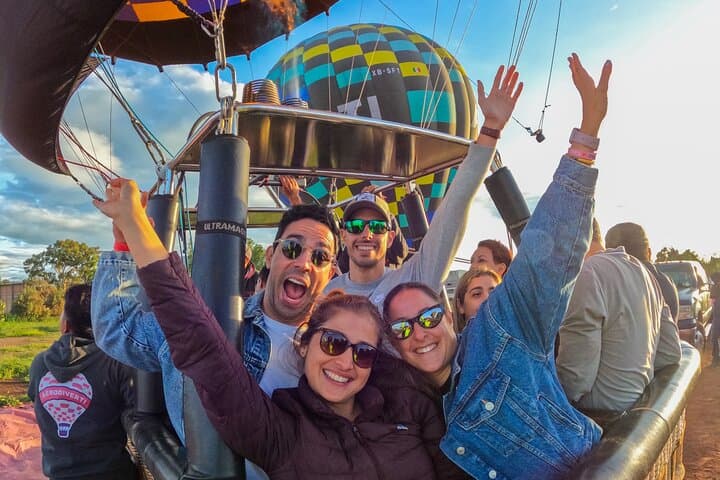
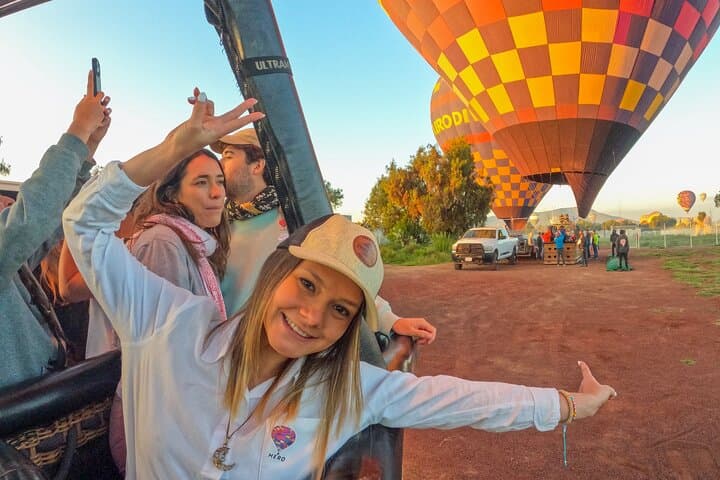
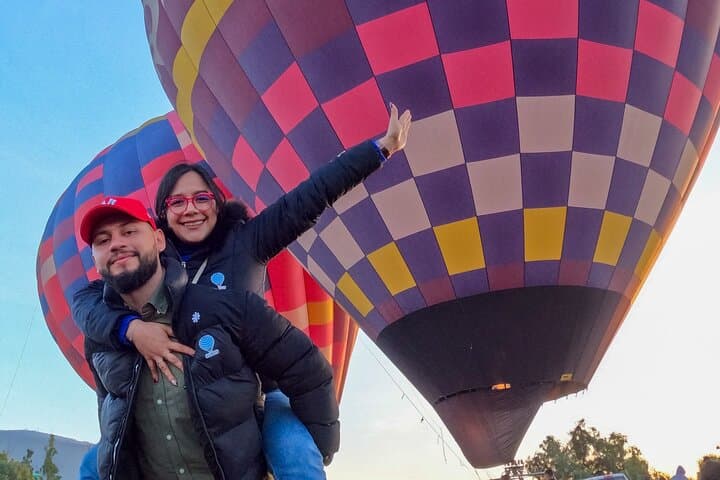
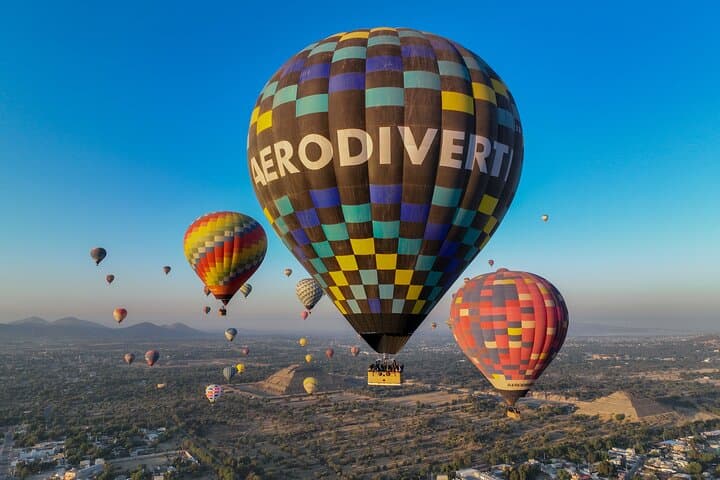
You lift off before sunrise, the basket sliding upward as the valley exhales mist and the wind becomes your pilot. The balloon leaves the routine of Mexico City behind and drifts over the broad flat of the Teotihuacan basin; terraces, irrigation scars and the massive silhouettes of the Pyramid of the Sun and Pyramid of the Moon shrink into a geometric landscape below.
You lift off before sunrise, the basket sliding upward as the valley exhales mist and the wind becomes your pilot. The balloon leaves the routine of Mexico City behind and drifts over the broad flat of the Teotihuacan basin; terraces, irrigation scars and the massive silhouettes of the Pyramid of the Sun and Pyramid of the Moon shrink into a geometric landscape below.
Teotihuacan was one of Mesoamerica’s largest urban centers between roughly 100–700 CE — an engineered grid of avenues and plazas built on volcanic soils and ash that still influence local agriculture and masonry. The pyramids are volcanic-stone platforms; the steep stone steps you’ll later climb were paved and repaired over centuries. Culture remains tangible: pulque and mezcal appear in ceremonial tastings, while cave restaurants like La Gruta reuse natural rock chambers for food and ritual.
Practically, expect a 40–60 minute flight followed by a buffet breakfast in a cave-style restaurant, a craft workshop and a two-hour self-guided visit to the archaeological zone. The site sits around 2,300 m (7,500 ft), so mornings are cool and sun is intense once it climbs; the ground at the ruins is compacted dirt and worn stone with steep steps on pyramid climbs. Wear sturdy shoes, layer for temperature swings, and bring sun protection and water.
Tours include pickup from Mexico City, a short briefing and a post-flight toast. Landings are chosen by the pilot and ground crew, so flexibility and light luggage make the day smoother. This is an accessible but active half- to full-day outing that pairs aerial perspective with hands-on cultural context.