THE ADVENTURE COLLECTIVE® · Independent discovery and booking for outdoor travel

Rise at sunrise over Teotihuacán in a hot air balloon, watch the pyramids shrink into a grid of plazas, then walk the Avenue of the Dead with a certified guide. This full-day experience pairs a 40–50 minute flight with breakfast and a 1.5–2 hour archaeological tour.
Rise at sunrise over Teotihuacán in a hot air balloon, watch the pyramids shrink into a grid of plazas, then walk the Avenue of the Dead with a certified guide. This full-day experience pairs a 40–50 minute flight with breakfast and a 1.5–2 hour archaeological tour.
Dawn pulls a cool, blue light across the high plain as the balloon envelopes inflate and burners puncture the morning hush. From the wicker basket you rise slow and sure, the Pyramid of the Sun unfolding beneath like a stone shoulder against the valley, while the Avenue of the Dead threads between temples and plazas. Farther off, the cones of Popocatépetl and Iztaccíhuatl watch the scene, their ridgelines sharpening as the sun climbs.
Verified experiences and guided adventures in the surrounding area.
Operated by Excellentravel · Teotihuacán, State of Mexico
Dawn pulls a cool, blue light across the high plain as the balloon envelopes inflate and burners puncture the morning hush. From the wicker basket you rise slow and sure, the Pyramid of the Sun unfolding beneath like a stone shoulder against the valley, while the Avenue of the Dead threads between temples and plazas. Farther off, the cones of Popocatépetl and Iztaccíhuatl watch the scene, their ridgelines sharpening as the sun climbs.
Teotihuacán was a pre-Aztec metropolis — its grids and monumental mounds carved out on a volcanic plateau between roughly 100 and 700 CE. The soils here are volcanic ash and compacted tephra; the pyramids are massive earthen-and-stone platforms built to mark ritual and power. Local culture today mixes small-town life in San Juan Teotihuacán with vendors selling pulque and handcrafts near the site, while conservation teams manage visitor access to fragile structures.
Practically: expect an early private pickup around 5:00–5:30 a.m., coffee while crews inflate the balloons, and a 40–50 minute shared flight (weather permitting). Landings can be gentle or brisk; pilots steer for safe fields but occasional bumps are normal. After a traditional toast and flight certificate, the group enjoys breakfast at a local restaurant, then a 90–120 minute guided tour of the archaeological zone with entrance included. Bring layered clothing for high-elevation mornings (around 2,300 m), sun protection, and a small daypack for water and a camera. Flights cancel in poor weather; medical limits apply (pregnancy, serious cardiac or spinal conditions). The itinerary returns to Mexico City by early afternoon—ample time to reflect on a morning spent between wind and stone.
moderate.
6–8 hours.
Moderate fitness—able to stand for the flight, walk up slopes and climb steps during the guided archaeological tour.
Flights are weather-dependent; if canceled you’ll receive a full refund if canceled at least 24 hours prior or be offered a reschedule or refund per the operator’s policy.
The experience is not recommended for pregnant travelers or those with serious heart or spinal conditions; weight information is collected at booking for safety and load planning.
Access policies change; the guided tour includes site admission and will take you to key viewpoints—your guide will indicate which structures are open for ascent that day.
Yes—private round-trip transportation from your hotel in Mexico City is included, with pickup times typically between 5:00 and 5:30 a.m.
Teotihuacán was one of pre-Columbian Mesoamerica’s largest cities (roughly 100–700 CE), known for its grid plan and monumental pyramids that influenced later cultures including the Aztecs.
Site managers balance tourist access with preservation—stay on official paths, avoid touching masonry, and follow guide instructions to reduce wear on ancient structures.
Excellentravel operates guided outdoor trips and adventures with an emphasis on safety, stewardship, and memorable experiences.
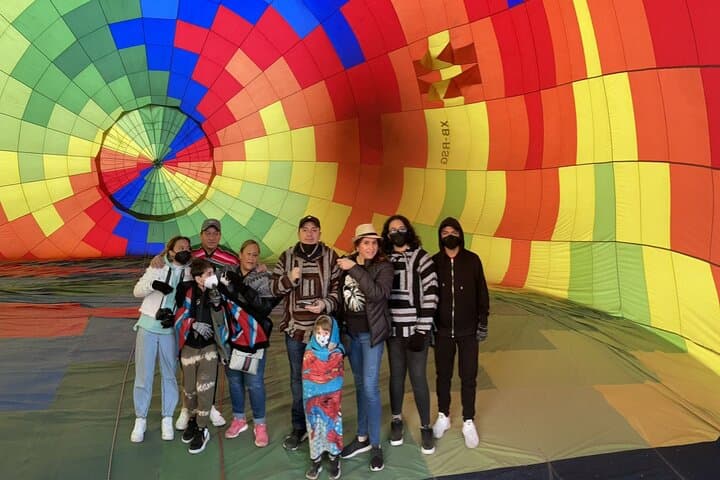
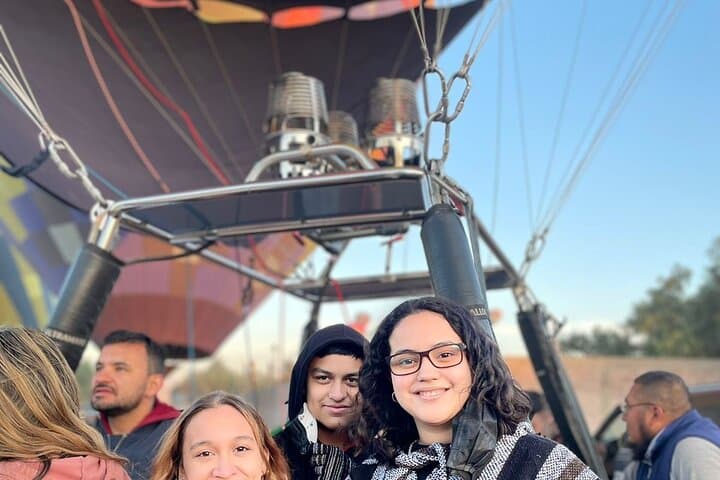
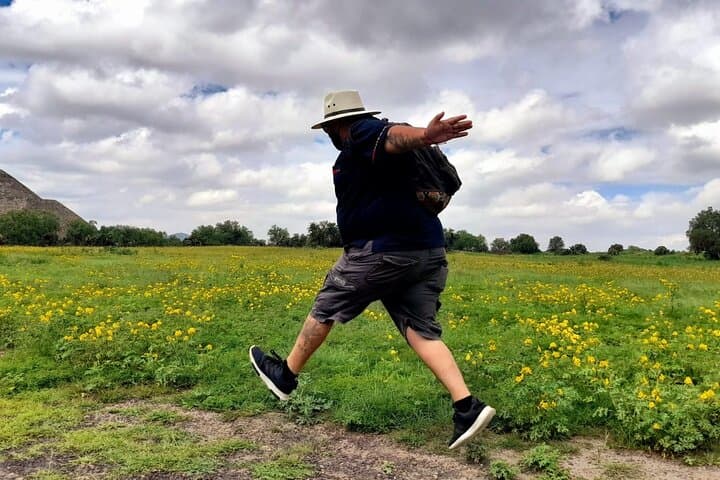
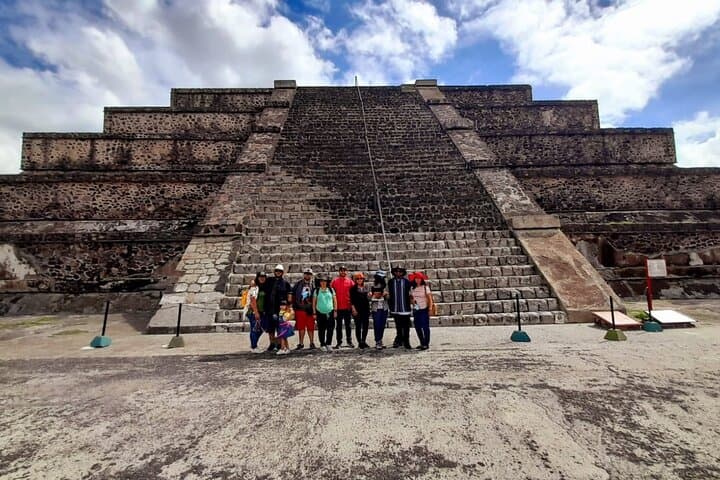
Dawn pulls a cool, blue light across the high plain as the balloon envelopes inflate and burners puncture the morning hush. From the wicker basket you rise slow and sure, the Pyramid of the Sun unfolding beneath like a stone shoulder against the valley, while the Avenue of the Dead threads between temples and plazas. Farther off, the cones of Popocatépetl and Iztaccíhuatl watch the scene, their ridgelines sharpening as the sun climbs.
Dawn pulls a cool, blue light across the high plain as the balloon envelopes inflate and burners puncture the morning hush. From the wicker basket you rise slow and sure, the Pyramid of the Sun unfolding beneath like a stone shoulder against the valley, while the Avenue of the Dead threads between temples and plazas. Farther off, the cones of Popocatépetl and Iztaccíhuatl watch the scene, their ridgelines sharpening as the sun climbs.
Teotihuacán was a pre-Aztec metropolis — its grids and monumental mounds carved out on a volcanic plateau between roughly 100 and 700 CE. The soils here are volcanic ash and compacted tephra; the pyramids are massive earthen-and-stone platforms built to mark ritual and power. Local culture today mixes small-town life in San Juan Teotihuacán with vendors selling pulque and handcrafts near the site, while conservation teams manage visitor access to fragile structures.
Practically: expect an early private pickup around 5:00–5:30 a.m., coffee while crews inflate the balloons, and a 40–50 minute shared flight (weather permitting). Landings can be gentle or brisk; pilots steer for safe fields but occasional bumps are normal. After a traditional toast and flight certificate, the group enjoys breakfast at a local restaurant, then a 90–120 minute guided tour of the archaeological zone with entrance included. Bring layered clothing for high-elevation mornings (around 2,300 m), sun protection, and a small daypack for water and a camera. Flights cancel in poor weather; medical limits apply (pregnancy, serious cardiac or spinal conditions). The itinerary returns to Mexico City by early afternoon—ample time to reflect on a morning spent between wind and stone.