THE ADVENTURE COLLECTIVE® · Independent discovery and booking for outdoor travel

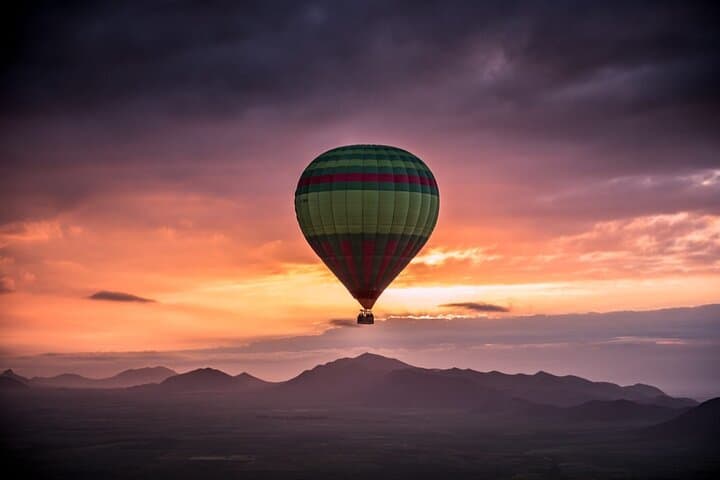
Lift off at dawn and watch Marrakech shrink into ochre tiles while the High Atlas blushes under sunrise. This 4‑hour outing includes pickup, a 45‑minute flight, and a Berber breakfast back at the Kasbah.
Lift off at dawn and watch Marrakech shrink into ochre tiles while the High Atlas blushes under sunrise. This 4‑hour outing includes pickup, a 45‑minute flight, and a Berber breakfast back at the Kasbah.
Before dawn the field fills with light: burners thrum, envelopes stretch, and the desert air takes on the copper color of Marrakech itself. From the basket the city’s ochre roofs fall away and the High Atlas mountains lift like a line of sharp teeth, their snow-capped ridges catching the first saffron sliver of sun.
Verified experiences and guided adventures in the surrounding area.
Operated by EASYGO TOURS · Marrakech, Marrakech-Safi
Before dawn the field fills with light: burners thrum, envelopes stretch, and the desert air takes on the copper color of Marrakech itself. From the basket the city’s ochre roofs fall away and the High Atlas mountains lift like a line of sharp teeth, their snow-capped ridges catching the first saffron sliver of sun.
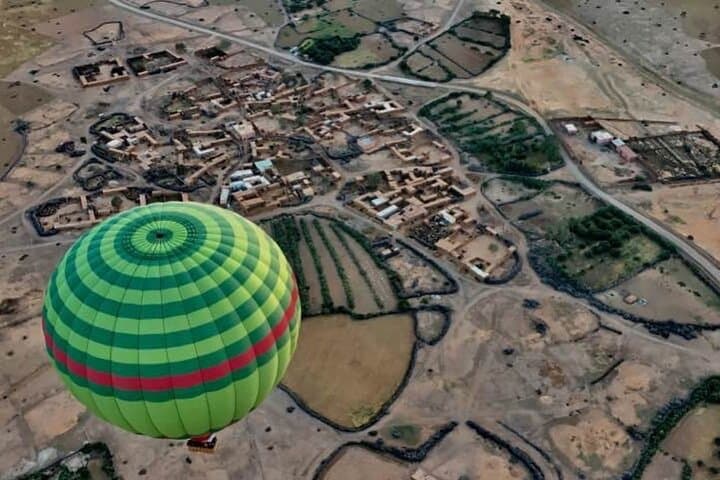
This experience ties aerial wonder to local culture. Marrakech, founded in the 11th century, was a trading hub on routes that threaded between mountain passes and desert plains; the landscape below still shows the geometric fields, olive groves, and tiny Berber villages shaped by that history. Geologically, the High Atlas are young, uplifted by African–Eurasian collisions and carved into dramatic valleys that give the flight its big vertical drama.
Expect a 4-hour outing that includes early pickup, a short welcome with tea and cakes, a pilot safety briefing, roughly 45 minutes in the air, and a return to the Kasbah for a traditional Berber breakfast and a first-flight certificate. Flights carry up to about 23 people and are best at sunrise when thermals are calm and visibility is high.
Practical points: arrive prepped for cool mornings—temperatures drop before sunrise—and wear sturdy shoes for standing during landing and recovery. Bring a camera with extra batteries; the contrast between ochre plains and blue peaks compresses into excellent photographs. If you have heart conditions or are pregnant, follow medical advice: operators typically advise against flying. Landings can be breezy; hold on and follow the crew’s instructions.
The trip reads like a short story: the balloon rises, the land opens, and for forty-five minutes the atlas and plains feel like a map you can almost step into.
moderate.
4 hours.
Moderate—able to stand and climb in/out of the basket and tolerate early-morning activity; some mobility helps for uneven landing zones.
The airborne portion is approximately 45 minutes; the full activity including pickup, briefing, and breakfast runs about four hours.
Yes—most operators provide early morning pickup and return to central Marrakech or the Kasbah in an air-conditioned vehicle.
Policies vary; the activity notes stroller accessibility for infants and small children but check the operator’s age and safety restrictions before booking.
Flights are weather-dependent; operators will reschedule or offer refunds per their cancellation policy—confirm details at booking and provide a flexible morning window.
Marrakech was founded in the 11th century by the Almoravids and long served as a crossroads between mountain passes and Saharan trade routes; the region’s settlements reflect that mercantile past.
Operators work in sensitive agricultural and desert areas—pack out waste, avoid trampling hedgerows, and support local guides and breakfast vendors to keep economic benefits local.
EASYGO TOURS operates guided outdoor trips and adventures with an emphasis on safety, stewardship, and memorable experiences.
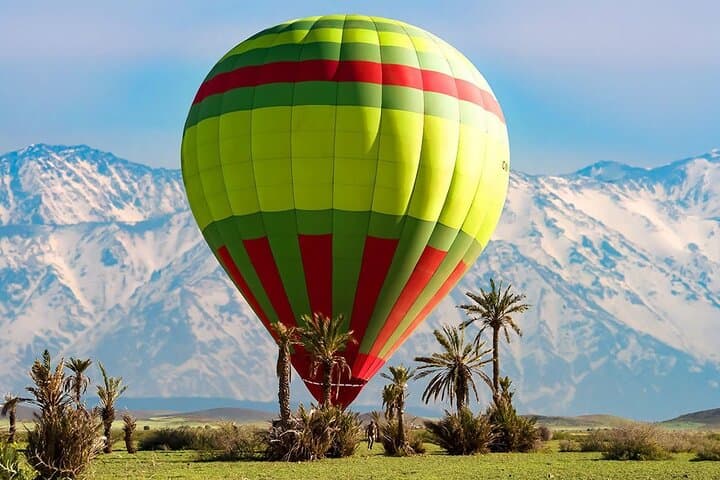
Before dawn the field fills with light: burners thrum, envelopes stretch, and the desert air takes on the copper color of Marrakech itself. From the basket the city’s ochre roofs fall away and the High Atlas mountains lift like a line of sharp teeth, their snow-capped ridges catching the first saffron sliver of sun.
Before dawn the field fills with light: burners thrum, envelopes stretch, and the desert air takes on the copper color of Marrakech itself. From the basket the city’s ochre roofs fall away and the High Atlas mountains lift like a line of sharp teeth, their snow-capped ridges catching the first saffron sliver of sun.
This experience ties aerial wonder to local culture. Marrakech, founded in the 11th century, was a trading hub on routes that threaded between mountain passes and desert plains; the landscape below still shows the geometric fields, olive groves, and tiny Berber villages shaped by that history. Geologically, the High Atlas are young, uplifted by African–Eurasian collisions and carved into dramatic valleys that give the flight its big vertical drama.
Expect a 4-hour outing that includes early pickup, a short welcome with tea and cakes, a pilot safety briefing, roughly 45 minutes in the air, and a return to the Kasbah for a traditional Berber breakfast and a first-flight certificate. Flights carry up to about 23 people and are best at sunrise when thermals are calm and visibility is high.
Practical points: arrive prepped for cool mornings—temperatures drop before sunrise—and wear sturdy shoes for standing during landing and recovery. Bring a camera with extra batteries; the contrast between ochre plains and blue peaks compresses into excellent photographs. If you have heart conditions or are pregnant, follow medical advice: operators typically advise against flying. Landings can be breezy; hold on and follow the crew’s instructions.
The trip reads like a short story: the balloon rises, the land opens, and for forty-five minutes the atlas and plains feel like a map you can almost step into.