THE ADVENTURE COLLECTIVE® · Independent discovery and booking for outdoor travel

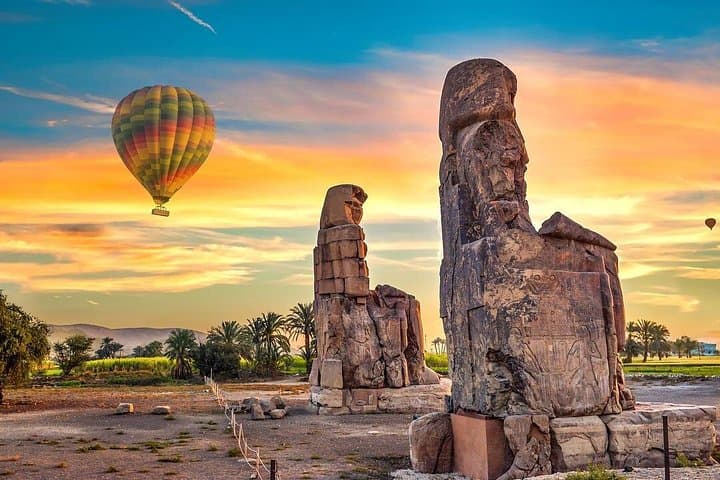
Lift off before dawn and watch Luxor wake beneath you: temples, the Nile and desert cliffs slide into view as the balloon climbs. This 45–60 minute sunrise flight offers a rare aerial perspective of the Valley of the Kings and West Bank monuments, paired with practical pickup, safety briefings, and a post-flight certificate.
Lift off before dawn and watch Luxor wake beneath you: temples, the Nile and desert cliffs slide into view as the balloon climbs. This 45–60 minute sunrise flight offers a rare aerial perspective of the Valley of the Kings and West Bank monuments, paired with practical pickup, safety briefings, and a post-flight certificate.
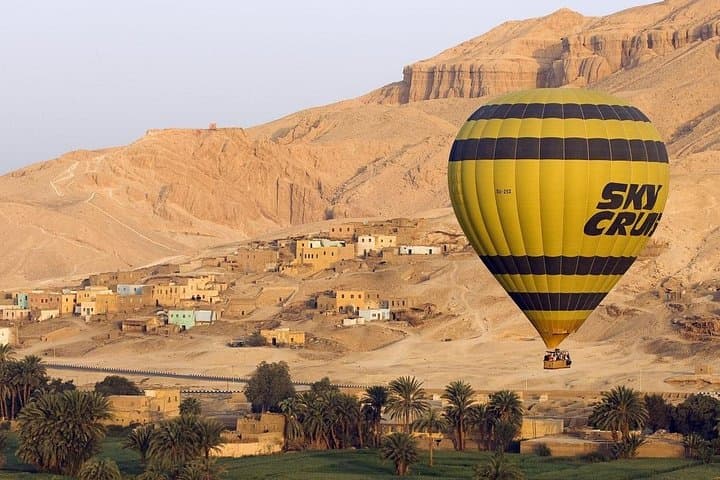
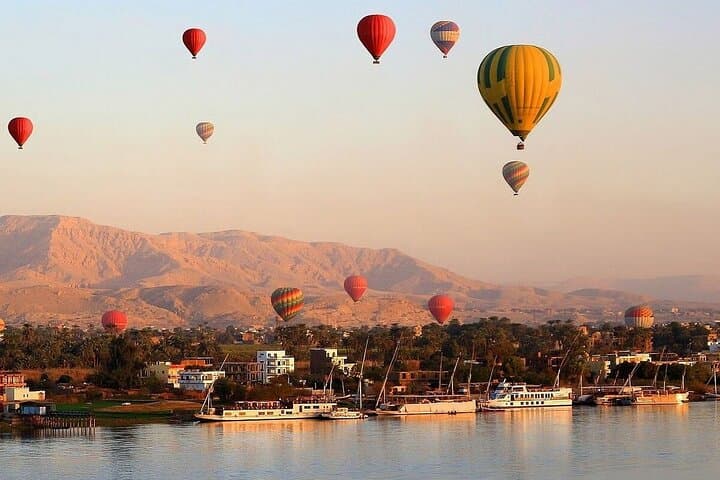
Before the sun clears the desert rim, the Nile Valley holds its breath — cool air brushing the palms, green fields paling to gold. You stand beside a giant envelope as it fills with fire; the balloon lifts and the city loosens beneath you. From the basket the West Bank cliffs, the terraces of agricultural plots, and the straight ribbon of the Nile unfold like a map written in stone and water.
Verified experiences and guided adventures in the surrounding area.
Operated by Saray El-Nile · Luxor, Luxor Governorate
Before the sun clears the desert rim, the Nile Valley holds its breath — cool air brushing the palms, green fields paling to gold. You stand beside a giant envelope as it fills with fire; the balloon lifts and the city loosens beneath you. From the basket the West Bank cliffs, the terraces of agricultural plots, and the straight ribbon of the Nile unfold like a map written in stone and water.
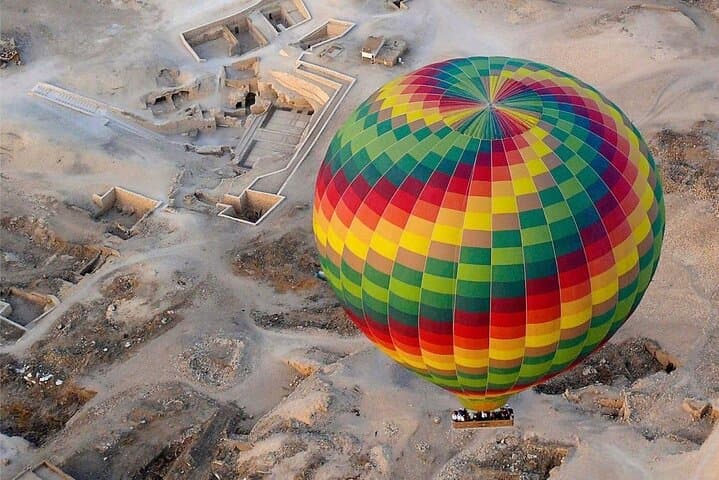
This flight moves you above 3,000 years of history: the colonnades of Karnak, Hatshepsut’s layered mortuary temple in the cliff face, the cut of the Valley of the Kings where pharaohs were lowered into the limestone. Geology is visible in the ochre escarpments that frame the valley and in the fertile alluvium spilling across the floodplain. Local life — farmers tending felucca-lined fields, shepherds with goats — punctuates the ancient scene.
Practically, expect a 45–60 minute airborne time within a 2–3 hour door-to-door window including pickup. Pilots provide a safety briefing; a soft landing and a celebratory tea or coffee follow, often with a printed “Certificate of Flight.” Mornings are best: winds are calm and light thermal activity yields the smoothest ride. Bring layers (desert mornings are cold), closed-toe shoes for stepping into the basket, sunscreen, and a secure camera. Carry your passport for pickup and plan for early hotel collection.
The mood is quiet but electric — the desert seems to nudge you forward while the Nile holds the valley in place. This is an aerial introduction to Luxor’s scale and history that rewards an early alarm with unforgettable perspective.
easy.
2–3 hours.
Light to moderate — able to stand for up to an hour, climb a short ladder, and follow safety instructions.
The airborne portion is typically 45–60 minutes; total excursion time including pickup and briefings is around 2–3 hours.
Operators monitor wind and visibility; flights can be canceled for safety with refunds if notice is given at least 24 hours prior per the provider’s policy.
Most companies allow children and older adults but require all passengers to be able to stand and enter the basket; check age limits with the operator and provide passport details for all passengers.
Yes — passport details are collected for booking and you should have your passport available for pickup and any required checks.
Luxor sits on the site of ancient Thebes, capital of Egypt’s New Kingdom; many royal tombs and mortuary temples on the West Bank date to the 16th–11th centuries BCE.
Operators typically minimize landings in sensitive areas and follow local regulations; travelers should avoid littering and respect agricultural plots seen from the air.
Saray El-Nile operates guided outdoor trips and adventures with an emphasis on safety, stewardship, and memorable experiences.
Before the sun clears the desert rim, the Nile Valley holds its breath — cool air brushing the palms, green fields paling to gold. You stand beside a giant envelope as it fills with fire; the balloon lifts and the city loosens beneath you. From the basket the West Bank cliffs, the terraces of agricultural plots, and the straight ribbon of the Nile unfold like a map written in stone and water.
Before the sun clears the desert rim, the Nile Valley holds its breath — cool air brushing the palms, green fields paling to gold. You stand beside a giant envelope as it fills with fire; the balloon lifts and the city loosens beneath you. From the basket the West Bank cliffs, the terraces of agricultural plots, and the straight ribbon of the Nile unfold like a map written in stone and water.
This flight moves you above 3,000 years of history: the colonnades of Karnak, Hatshepsut’s layered mortuary temple in the cliff face, the cut of the Valley of the Kings where pharaohs were lowered into the limestone. Geology is visible in the ochre escarpments that frame the valley and in the fertile alluvium spilling across the floodplain. Local life — farmers tending felucca-lined fields, shepherds with goats — punctuates the ancient scene.
Practically, expect a 45–60 minute airborne time within a 2–3 hour door-to-door window including pickup. Pilots provide a safety briefing; a soft landing and a celebratory tea or coffee follow, often with a printed “Certificate of Flight.” Mornings are best: winds are calm and light thermal activity yields the smoothest ride. Bring layers (desert mornings are cold), closed-toe shoes for stepping into the basket, sunscreen, and a secure camera. Carry your passport for pickup and plan for early hotel collection.
The mood is quiet but electric — the desert seems to nudge you forward while the Nile holds the valley in place. This is an aerial introduction to Luxor’s scale and history that rewards an early alarm with unforgettable perspective.