THE ADVENTURE COLLECTIVE® · Independent discovery and booking for outdoor travel

Float above Luxor at sunrise for a unique vantage on temples, the Nile, and desert plains. This quick morning adventure pairs a short drive to a West Bank launch with an easy, weather-dependent balloon flight and hotel transfer.
Float above Luxor at sunrise for a unique vantage on temples, the Nile, and desert plains. This quick morning adventure pairs a short drive to a West Bank launch with an easy, weather-dependent balloon flight and hotel transfer.
Before the first light breaks over the Nile, the balloon’s burner punctuates the dawn with a metallic breath and the basket lifts. From a few hundred meters up, the desert flattens into a map of sand, green ribboned fields, and the scattered silhouettes of Luxor’s temples—Karnak’s pylons, the avenue of sphinxes, and the distant colonnades of Luxor Temple—slowly coming into color.
Verified experiences and guided adventures in the surrounding area.
Operated by King Tut Balloons · Luxor, Luxor Governorate
Before the first light breaks over the Nile, the balloon’s burner punctuates the dawn with a metallic breath and the basket lifts. From a few hundred meters up, the desert flattens into a map of sand, green ribboned fields, and the scattered silhouettes of Luxor’s temples—Karnak’s pylons, the avenue of sphinxes, and the distant colonnades of Luxor Temple—slowly coming into color.
This stretch of the east bank once formed the heart of ancient Thebes, where pharaohs built monuments on limestone terraces carved by the Nile’s long history. The West Bank’s sand and rock are younger, wind-sculpted surfaces that reveal burial shafts and tomb entrances when archaeologists peel back the dust. Culture here is continuous: farmers still tend floodplain plots while modern Luxor hums with tourism infrastructure that supports early-morning launches.
Practically, expect a 2½–3 hour window from hotel pickup to drop-off. Certified operators meet passengers at hotels, drive to a West Bank launch site, and conduct a short pre-flight safety briefing. Flights are smooth but weather-dependent; operators often cancel for wind or poor visibility. Physical demands are low—stepping into a basket and standing for the ride—but bring layers: desert mornings can be cool, and burners add quick bursts of heat.
Bring a small camera or phone with charged batteries, protect skin from sun and sand, and confirm pickup details and ID/passport requirements with your provider. If you want quieter views, request a low-capacity flight; for a celebratory finish, look for operators that include a traditional post-flight tea and certificate.
easy.
2–3 hours.
Minimal fitness needed; participants must be able to step into the basket and stand for the duration.
Plan on about 2½–3 hours total including hotel transfer, safety briefing, the flight (typically 45–60 minutes), and return transfer.
Operators are certified by Egyptian aviation authorities and follow safety briefings; flights are canceled in unsafe weather conditions—check operator credentials and insurance coverage.
Many companies have age minimums for children and may enforce weight limits for safety—confirm specific policies when booking.
Bring a charged camera or phone, layered clothing, closed-toe shoes, and your passport or ID as required for pickup and boarding.
Luxor sits on the ruins of ancient Thebes, capital of Egypt during the New Kingdom when pharaohs built monumental temples along the Nile.
Operators are increasingly asked to minimize landings in sensitive archaeological areas and to follow 'leave no trace' protocols; choose a certified company that follows local regulations.
King Tut Balloons operates guided outdoor trips and adventures with an emphasis on safety, stewardship, and memorable experiences.
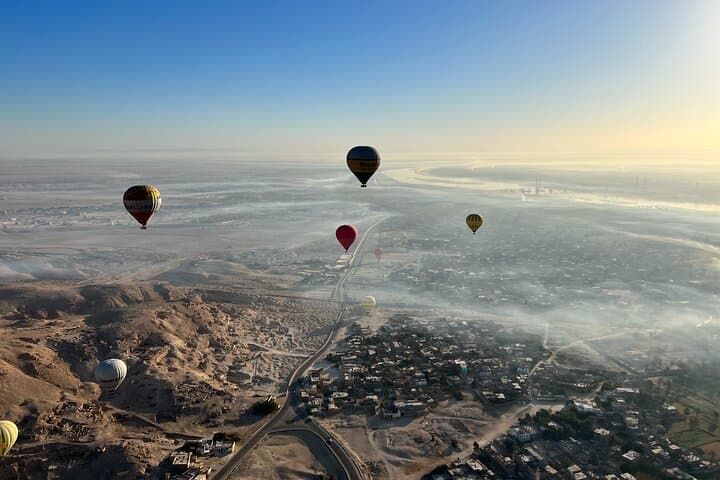
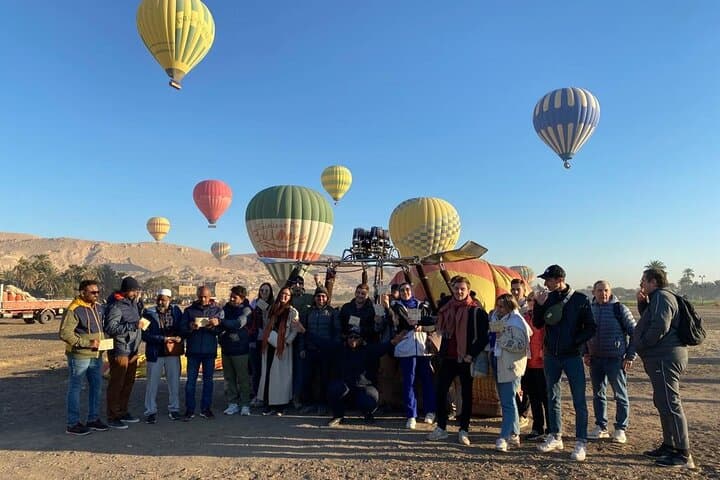
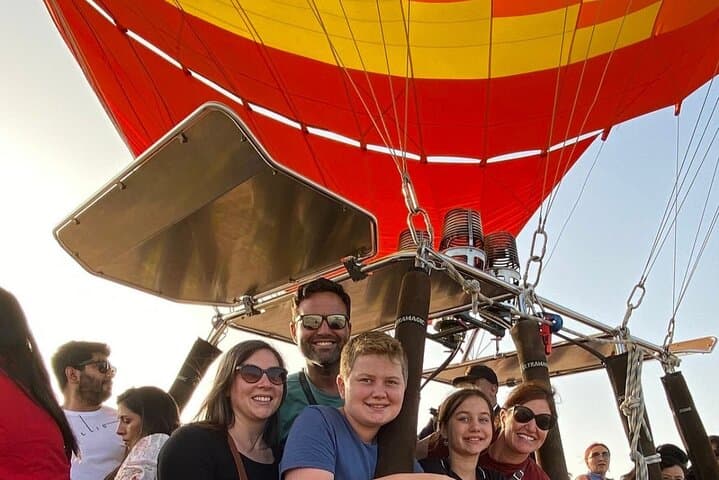
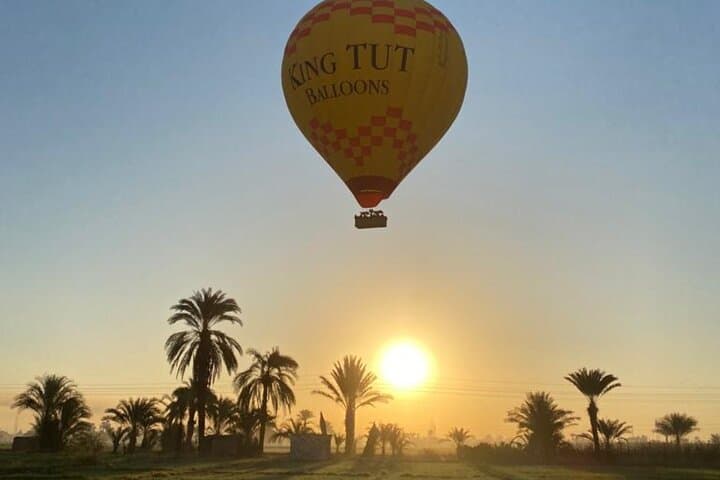
Before the first light breaks over the Nile, the balloon’s burner punctuates the dawn with a metallic breath and the basket lifts. From a few hundred meters up, the desert flattens into a map of sand, green ribboned fields, and the scattered silhouettes of Luxor’s temples—Karnak’s pylons, the avenue of sphinxes, and the distant colonnades of Luxor Temple—slowly coming into color.
Before the first light breaks over the Nile, the balloon’s burner punctuates the dawn with a metallic breath and the basket lifts. From a few hundred meters up, the desert flattens into a map of sand, green ribboned fields, and the scattered silhouettes of Luxor’s temples—Karnak’s pylons, the avenue of sphinxes, and the distant colonnades of Luxor Temple—slowly coming into color.
This stretch of the east bank once formed the heart of ancient Thebes, where pharaohs built monuments on limestone terraces carved by the Nile’s long history. The West Bank’s sand and rock are younger, wind-sculpted surfaces that reveal burial shafts and tomb entrances when archaeologists peel back the dust. Culture here is continuous: farmers still tend floodplain plots while modern Luxor hums with tourism infrastructure that supports early-morning launches.
Practically, expect a 2½–3 hour window from hotel pickup to drop-off. Certified operators meet passengers at hotels, drive to a West Bank launch site, and conduct a short pre-flight safety briefing. Flights are smooth but weather-dependent; operators often cancel for wind or poor visibility. Physical demands are low—stepping into a basket and standing for the ride—but bring layers: desert mornings can be cool, and burners add quick bursts of heat.
Bring a small camera or phone with charged batteries, protect skin from sun and sand, and confirm pickup details and ID/passport requirements with your provider. If you want quieter views, request a low-capacity flight; for a celebratory finish, look for operators that include a traditional post-flight tea and certificate.