THE ADVENTURE COLLECTIVE® · Independent discovery and booking for outdoor travel

Float above Luxor at sunrise, then walk the stones where pharaohs once processed—this combined balloon and East Bank tour pairs aerial views with guided visits to Karnak, Luxor Museum and Luxor Temple. Early pickup, comfortable shoes, and sun protection make the day run smoother.
Float above Luxor at sunrise, then walk the stones where pharaohs once processed—this combined balloon and East Bank tour pairs aerial views with guided visits to Karnak, Luxor Museum and Luxor Temple. Early pickup, comfortable shoes, and sun protection make the day run smoother.
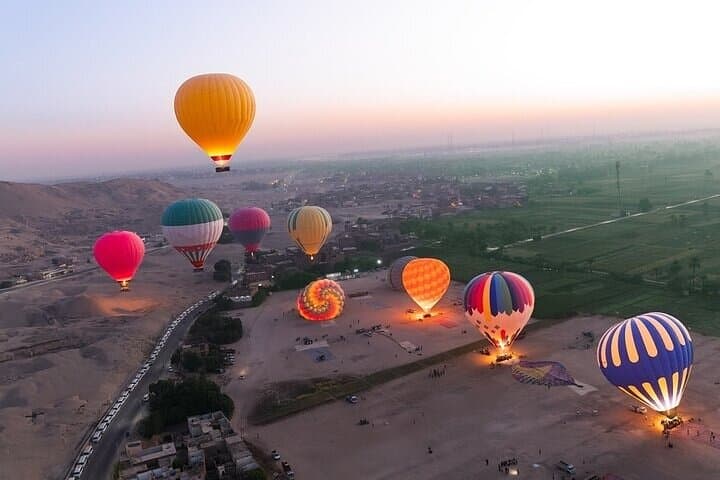
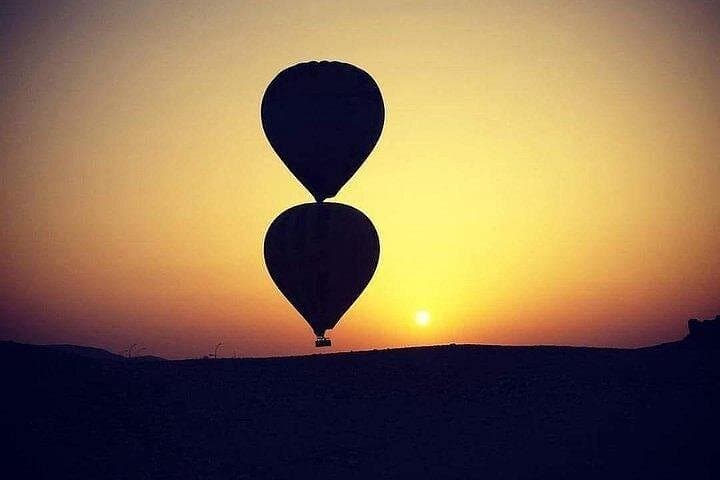
You lift off before dawn, the balloon basket rocking as the burners paint the sky. Below, the Nile threads light across farmland and the temple ruins become silhouettes; columns and sphinxes shift from black to gold as the sun climbs. The balloon drifts low enough to read hieroglyphs etched into stone from a new angle, then rises and lets the city unfold beneath you.
Verified experiences and guided adventures in the surrounding area.
Operated by Hurghada Tours Plus · Luxor, Luxor Governorate
You lift off before dawn, the balloon basket rocking as the burners paint the sky. Below, the Nile threads light across farmland and the temple ruins become silhouettes; columns and sphinxes shift from black to gold as the sun climbs. The balloon drifts low enough to read hieroglyphs etched into stone from a new angle, then rises and lets the city unfold beneath you.
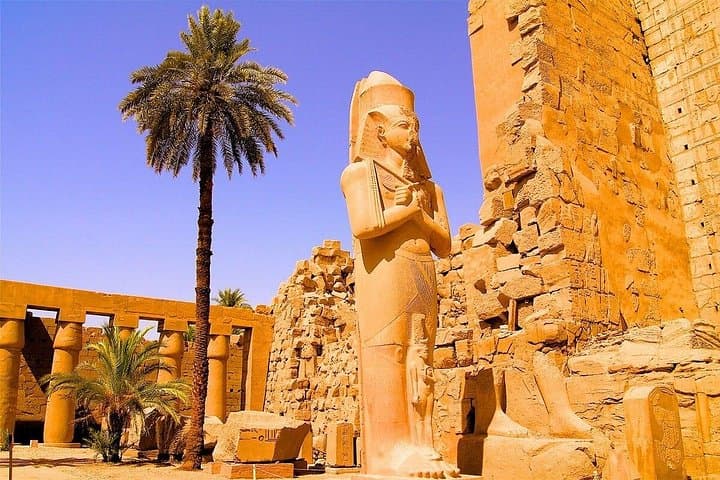
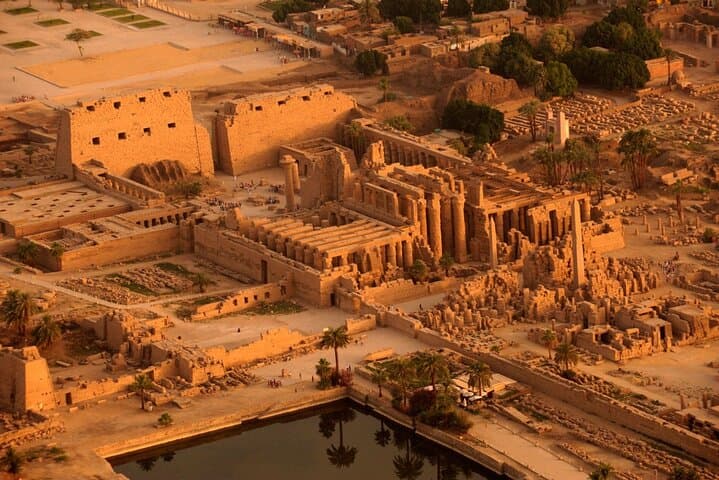
Luxor—ancient Thebes—was the heart of Egypt’s New Kingdom. Karnak’s Hypostyle Hall and obelisks speak to ritual power and stone-working that reshaped the river valley; Luxor Museum concentrates fragile finds and royal statuary rescued from centuries of reuse. Geologically, the Nile’s floodplain deposited the soft silts that made settlement possible, while nearby limestone outcrops furnished the quarried blocks used by pharaohs.
Culture here is tactile: guidebooks become conversation, local vendors trade postcards for small talk, and the Nile still dares travelers to consider how water shapes lives and memory.
Practical guidance: the full excursion runs about 7–8 hours with an early pickup; expect one short, scenic balloon flight at sunrise and several hours of walking across uneven, often sandy surfaces at Karnak and Luxor Temple and a seated museum visit. Bring sun protection, comfortable shoes, and a water bottle. Photography is allowed in most outdoor areas but follow signage and museum rules. Weather can flip from cool at first light to hot by midday—plan layers. Allow time after the flight to steady your legs; the landing can be bumpy but brief. With a licensed Egyptologist guide and hotel transfer included, this tour blends aerial perspective with grounded context—ideal for first-time visitors who want both spectacle and substance.
moderate.
7–8 hours.
Able to stand and walk on uneven ground for several hours; comfortable with a short open-air balloon landing.
The airborne portion is typically around 30–60 minutes depending on wind conditions; transfers and prep increase the total morning time.
Yes—operators often allow all ages though infants may need to sit on laps; mobility limitations can make temple walking challenging.
This tour includes guided visits but confirm whether entrance fees are covered—check booking details or ask the provider before you go.
Operators usually reschedule or refund if flights are canceled for safety; transport and alternative sightseeing plans vary by provider.
Luxor sits on the site of ancient Thebes, the New Kingdom capital; Karnak and Luxor temples were linked by the Avenue of Sphinxes used for ceremonial processions.
High visitor numbers stress fragile stone and painted reliefs—follow guide instructions, avoid touching surfaces, and use refillable bottles to reduce plastic waste.
Hurghada Tours Plus operates guided outdoor trips and adventures with an emphasis on safety, stewardship, and memorable experiences.
You lift off before dawn, the balloon basket rocking as the burners paint the sky. Below, the Nile threads light across farmland and the temple ruins become silhouettes; columns and sphinxes shift from black to gold as the sun climbs. The balloon drifts low enough to read hieroglyphs etched into stone from a new angle, then rises and lets the city unfold beneath you.
You lift off before dawn, the balloon basket rocking as the burners paint the sky. Below, the Nile threads light across farmland and the temple ruins become silhouettes; columns and sphinxes shift from black to gold as the sun climbs. The balloon drifts low enough to read hieroglyphs etched into stone from a new angle, then rises and lets the city unfold beneath you.
Luxor—ancient Thebes—was the heart of Egypt’s New Kingdom. Karnak’s Hypostyle Hall and obelisks speak to ritual power and stone-working that reshaped the river valley; Luxor Museum concentrates fragile finds and royal statuary rescued from centuries of reuse. Geologically, the Nile’s floodplain deposited the soft silts that made settlement possible, while nearby limestone outcrops furnished the quarried blocks used by pharaohs.
Culture here is tactile: guidebooks become conversation, local vendors trade postcards for small talk, and the Nile still dares travelers to consider how water shapes lives and memory.
Practical guidance: the full excursion runs about 7–8 hours with an early pickup; expect one short, scenic balloon flight at sunrise and several hours of walking across uneven, often sandy surfaces at Karnak and Luxor Temple and a seated museum visit. Bring sun protection, comfortable shoes, and a water bottle. Photography is allowed in most outdoor areas but follow signage and museum rules. Weather can flip from cool at first light to hot by midday—plan layers. Allow time after the flight to steady your legs; the landing can be bumpy but brief. With a licensed Egyptologist guide and hotel transfer included, this tour blends aerial perspective with grounded context—ideal for first-time visitors who want both spectacle and substance.