THE ADVENTURE COLLECTIVE® · Independent discovery and booking for outdoor travel

Rise before the sun and float above Luxor’s temples and tombs—this 30–45 minute hot air balloon flight crosses the Nile to the West Bank for panoramic views of Karnak, the Valley of the Kings and Hatshepsut’s mortuary temple. Practical transfers, light refreshments and a flight certificate are included.
Rise before the sun and float above Luxor’s temples and tombs—this 30–45 minute hot air balloon flight crosses the Nile to the West Bank for panoramic views of Karnak, the Valley of the Kings and Hatshepsut’s mortuary temple. Practical transfers, light refreshments and a flight certificate are included.
Before dawn the Nile’s surface turns to ink and the desert palms lean into the coming light. Passengers collected from central Luxor cross the river by motorboat and arrive at a quiet West Bank launch field where crews ready a brightly colored envelope. As burners hiss you lift; the city loosens beneath you and the morning sun edges over the east bank, painting Karnak’s pillars and the ridged cliffs of the Valley of the Kings in stark relief.
Verified experiences and guided adventures in the surrounding area.
Operated by Nile River Cruise · Luxor, Luxor Governorate
Before dawn the Nile’s surface turns to ink and the desert palms lean into the coming light. Passengers collected from central Luxor cross the river by motorboat and arrive at a quiet West Bank launch field where crews ready a brightly colored envelope. As burners hiss you lift; the city loosens beneath you and the morning sun edges over the east bank, painting Karnak’s pillars and the ridged cliffs of the Valley of the Kings in stark relief.
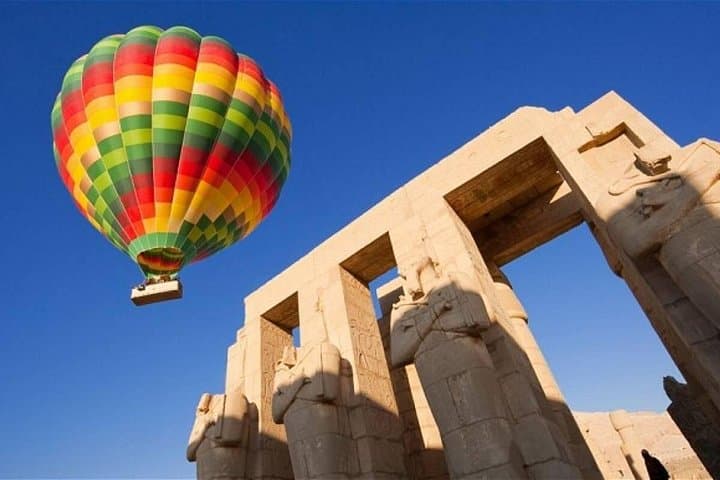
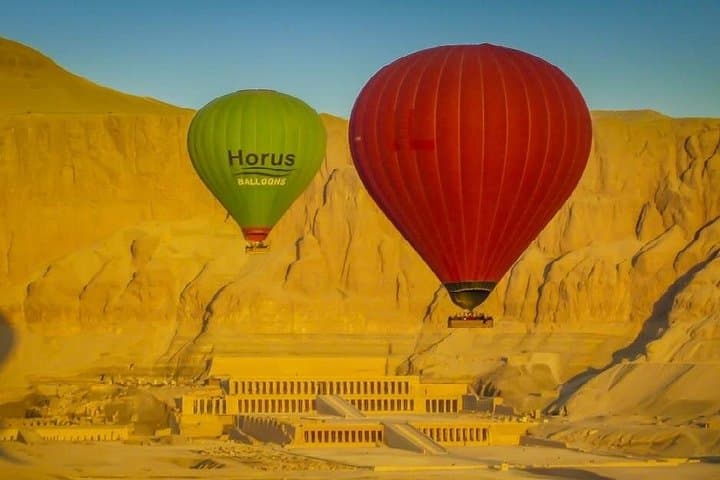
Luxor sits on what was once ancient Thebes, a corridor of pharaonic temples and buried tombs carved into limestone and sandstone. From the air the region’s geology reads as bands—fertile Nile floodplain, then the arid escarpment where royal necropolises were cut. The flight reveals both the human-scale grids of modern Luxor and the ragged, monumental work of millennia: Karnak, Luxor Temple, and Hatshepsut’s mortuary temple on the West Bank.
Practical details are straightforward. Expect a 2–3 hour window for pickup, transfers, a 30–45 minute shared flight and return. Operators typically provide tea, coffee and a souvenir flight certificate. Mornings are cool year-round; dress in layers and bring a secure camera. Balloons are weather-dependent—calm winds deliver the best visibility and the pilot controls altitude to glide over key sites.
This is an accessible aerial experience suitable for most travelers, including family groups; operators usually offer wheelchair-accessible transport and safety briefings. For photographers, the golden hour here is uncompromising—arrive ready to shoot quickly as light and shadow rework the landscape beneath you.
easy.
2–3 hours.
Minimal fitness required—able to stand and step into a basket is sufficient
The flight itself is approximately 30–45 minutes, with the full experience including transfers and briefings taking about 2–3 hours.
Yes—operators note stroller and wheelchair-accessible transport; confirm special requirements at booking.
Flights are weather-dependent; operators will reschedule or provide a refund according to their cancellation policy—check terms when you book.
Yes—pickup from central Luxor hotels, motorboat transfer to the West Bank and return transport are typically included.
Luxor occupies ancient Thebes, once Egypt’s religious and administrative heart; many temples visible from the air date to the New Kingdom (c. 1550–1070 BCE).
Balloon operators work under aviation and local regulations to minimize landings in sensitive archaeological zones; travelers should avoid littering and follow crew instructions to protect sites.
Nile River Cruise operates guided outdoor trips and adventures with an emphasis on safety, stewardship, and memorable experiences.
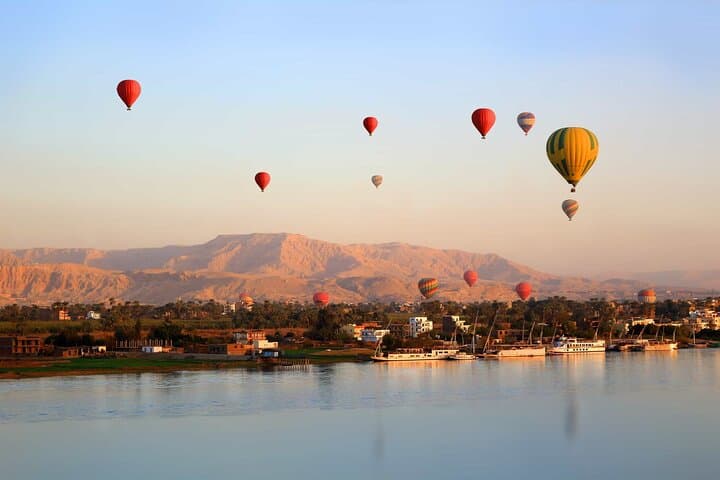
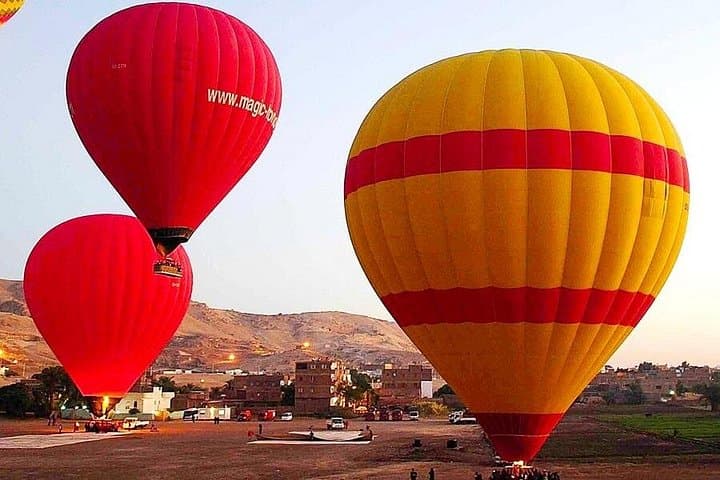
Before dawn the Nile’s surface turns to ink and the desert palms lean into the coming light. Passengers collected from central Luxor cross the river by motorboat and arrive at a quiet West Bank launch field where crews ready a brightly colored envelope. As burners hiss you lift; the city loosens beneath you and the morning sun edges over the east bank, painting Karnak’s pillars and the ridged cliffs of the Valley of the Kings in stark relief.
Before dawn the Nile’s surface turns to ink and the desert palms lean into the coming light. Passengers collected from central Luxor cross the river by motorboat and arrive at a quiet West Bank launch field where crews ready a brightly colored envelope. As burners hiss you lift; the city loosens beneath you and the morning sun edges over the east bank, painting Karnak’s pillars and the ridged cliffs of the Valley of the Kings in stark relief.
Luxor sits on what was once ancient Thebes, a corridor of pharaonic temples and buried tombs carved into limestone and sandstone. From the air the region’s geology reads as bands—fertile Nile floodplain, then the arid escarpment where royal necropolises were cut. The flight reveals both the human-scale grids of modern Luxor and the ragged, monumental work of millennia: Karnak, Luxor Temple, and Hatshepsut’s mortuary temple on the West Bank.
Practical details are straightforward. Expect a 2–3 hour window for pickup, transfers, a 30–45 minute shared flight and return. Operators typically provide tea, coffee and a souvenir flight certificate. Mornings are cool year-round; dress in layers and bring a secure camera. Balloons are weather-dependent—calm winds deliver the best visibility and the pilot controls altitude to glide over key sites.
This is an accessible aerial experience suitable for most travelers, including family groups; operators usually offer wheelchair-accessible transport and safety briefings. For photographers, the golden hour here is uncompromising—arrive ready to shoot quickly as light and shadow rework the landscape beneath you.