THE ADVENTURE COLLECTIVE® · Independent discovery and booking for outdoor travel

Rise before dawn and float over Luxor’s West Bank as temples and tombs emerge in golden light. This sunrise hot-air balloon delivers sweeping aerial views of the Valley of the Kings, Hatshepsut’s mortuary temple, and Karnak’s vast colonnades with hotel pickup and guided commentary.
Rise before dawn and float over Luxor’s West Bank as temples and tombs emerge in golden light. This sunrise hot-air balloon delivers sweeping aerial views of the Valley of the Kings, Hatshepsut’s mortuary temple, and Karnak’s vast colonnades with hotel pickup and guided commentary.
Before the sun clears the desert horizon, the balloon basket hums with the quiet of anticipation. You lift off from the West Bank as a thin band of light turns the Nile into a molten ribbon; temple pylons and solitary palms shrink into a grid of shadow and gold. The basket rocks, the burner answers, and the city of ancient Thebes unfolds beneath you — a stitched landscape of stone, sand and river that feels both immense and intimately close.
Verified experiences and guided adventures in the surrounding area.
Operated by Get Luxor Tours · Luxor, Luxor Governorate
Before the sun clears the desert horizon, the balloon basket hums with the quiet of anticipation. You lift off from the West Bank as a thin band of light turns the Nile into a molten ribbon; temple pylons and solitary palms shrink into a grid of shadow and gold. The basket rocks, the burner answers, and the city of ancient Thebes unfolds beneath you — a stitched landscape of stone, sand and river that feels both immense and intimately close.
Luxor sits atop a geological shelf where the Nile has cut deep channels through Eocene limestones and Quaternary deposits. This corridor hosted pharaonic capitals: the Valley of the Kings, the mortuary temples of Hatshepsut and the Colossi of Memnon are visible from the air, their scale and alignment clearer when viewed from altitude. Local guides often point out how the early morning light reveals carved reliefs and columned shadows not obvious at ground level.
Expect a calm, slow ascent with commentary on landmarks and safety briefings before takeoff. Flights run about 45–60 minutes plus transfers; operators provide hotel pickup on the West Bank and return transport. Wear closed shoes, a windbreaker, and layered clothing—the air is cool at dawn and warms quickly. Bring a camera with a secure strap; restraint is essential near basket edges. Balloons fly a set course depending on wind; pilots aim for gentle, low passes over key ruins without landing on protected sites.
Practical notes: confirm pickup point and early-morning meeting time, check weather policies (operators may cancel for unsafe winds), and carry small bills for tips. The ride gives a rare perspective on Luxor’s junction of natural riverine life and millennia of human craft—quiet, wide, and undeniably historic.
easy.
2 hours (total, includes transfers and briefing).
Suitable for most fitness levels; participants should be able to step into and out of a basket and stand for the flight.
The airborne portion is typically 45–60 minutes; total excursion time is about two hours including pickup, briefing and return transfer.
Operators generally accept most ages; children should be supervised and anyone with mobility issues should check boarding assistance options in advance.
Flights are weather-dependent—operators will cancel or reschedule for high winds or unsafe conditions, with refunds available per their policy.
Pilots aim to fly over landmarks but will not land on protected archaeological sites; landings are made in safe, open areas followed by ground transfer back to hotels.
Luxor occupies the site of ancient Thebes, the New Kingdom capital; many royal tombs and mortuary temples line the West Bank visible during the flight.
Choose operators that follow flight corridors and local regulations to minimize disturbance to archaeological sites and riverine bird habitats; avoid littering and respect designated landing areas.
Get Luxor Tours operates guided outdoor trips and adventures with an emphasis on safety, stewardship, and memorable experiences.
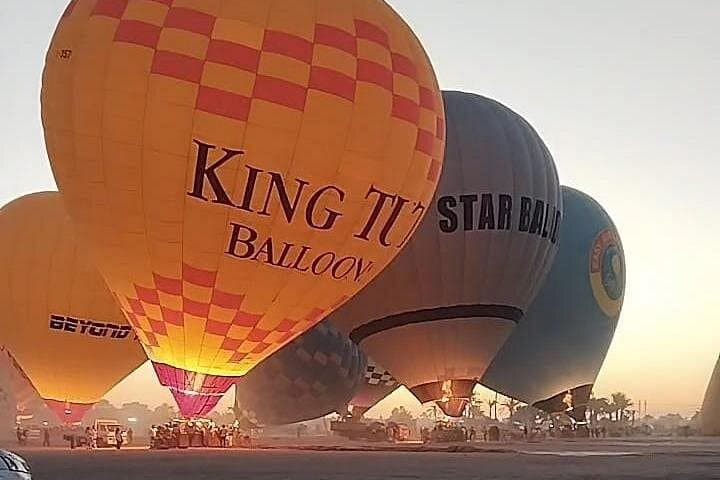
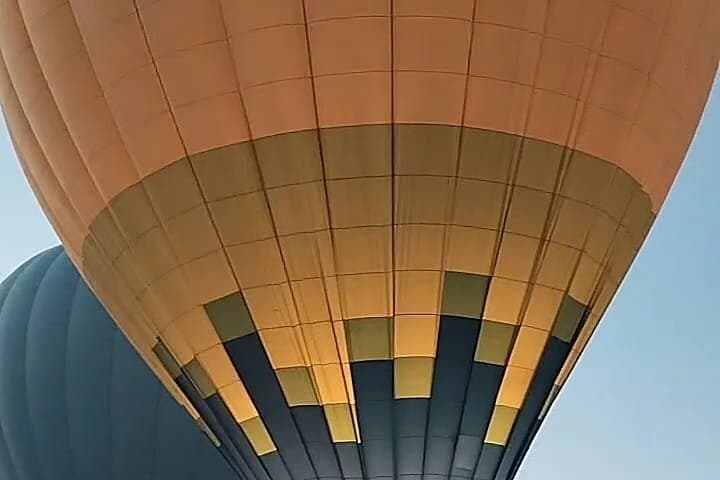
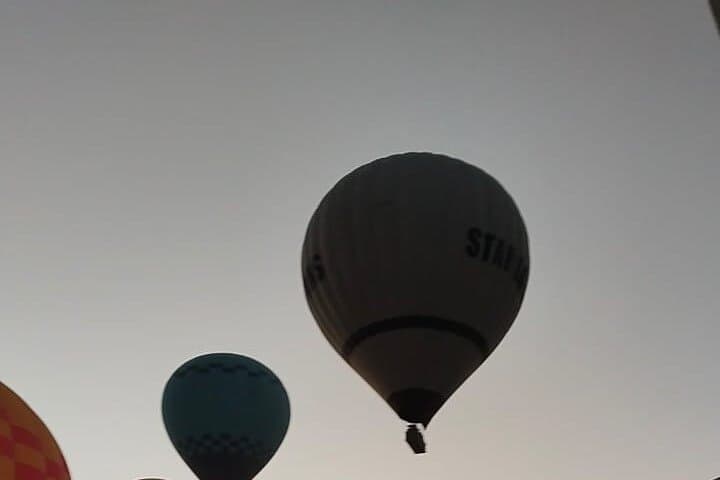
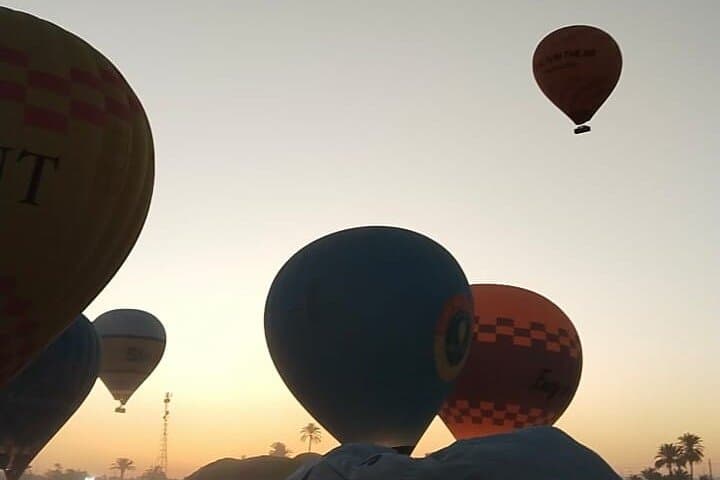
Before the sun clears the desert horizon, the balloon basket hums with the quiet of anticipation. You lift off from the West Bank as a thin band of light turns the Nile into a molten ribbon; temple pylons and solitary palms shrink into a grid of shadow and gold. The basket rocks, the burner answers, and the city of ancient Thebes unfolds beneath you — a stitched landscape of stone, sand and river that feels both immense and intimately close.
Before the sun clears the desert horizon, the balloon basket hums with the quiet of anticipation. You lift off from the West Bank as a thin band of light turns the Nile into a molten ribbon; temple pylons and solitary palms shrink into a grid of shadow and gold. The basket rocks, the burner answers, and the city of ancient Thebes unfolds beneath you — a stitched landscape of stone, sand and river that feels both immense and intimately close.
Luxor sits atop a geological shelf where the Nile has cut deep channels through Eocene limestones and Quaternary deposits. This corridor hosted pharaonic capitals: the Valley of the Kings, the mortuary temples of Hatshepsut and the Colossi of Memnon are visible from the air, their scale and alignment clearer when viewed from altitude. Local guides often point out how the early morning light reveals carved reliefs and columned shadows not obvious at ground level.
Expect a calm, slow ascent with commentary on landmarks and safety briefings before takeoff. Flights run about 45–60 minutes plus transfers; operators provide hotel pickup on the West Bank and return transport. Wear closed shoes, a windbreaker, and layered clothing—the air is cool at dawn and warms quickly. Bring a camera with a secure strap; restraint is essential near basket edges. Balloons fly a set course depending on wind; pilots aim for gentle, low passes over key ruins without landing on protected sites.
Practical notes: confirm pickup point and early-morning meeting time, check weather policies (operators may cancel for unsafe winds), and carry small bills for tips. The ride gives a rare perspective on Luxor’s junction of natural riverine life and millennia of human craft—quiet, wide, and undeniably historic.