THE ADVENTURE COLLECTIVE® · Independent discovery and booking for outdoor travel

Glide over ancient Thebes at first light on a hot air balloon and see Luxor’s temples, Nile channels, and West Bank ridges from a new angle. This guide explains what to expect, timing, safety and how to prepare for a sunrise flight.
Glide over ancient Thebes at first light on a hot air balloon and see Luxor’s temples, Nile channels, and West Bank ridges from a new angle. This guide explains what to expect, timing, safety and how to prepare for a sunrise flight.
Before dawn, the desert exhales cool air and the Nile’s still surface catches the first light — then the balloon inflates and Luxor rises beneath you. From the basket the city’s monuments shrink into a grid of stone and palm groves: Karnak’s pylons, Luxor Temple’s colonnades and the West Bank’s funerary ridges lay out the region’s human story, while early-morning farmers steer irrigation canals like threads through the floodplain.
Verified experiences and guided adventures in the surrounding area.
Operated by Visit Egypt Now · Luxor, Luxor Governorate
Before dawn, the desert exhales cool air and the Nile’s still surface catches the first light — then the balloon inflates and Luxor rises beneath you. From the basket the city’s monuments shrink into a grid of stone and palm groves: Karnak’s pylons, Luxor Temple’s colonnades and the West Bank’s funerary ridges lay out the region’s human story, while early-morning farmers steer irrigation canals like threads through the floodplain.
This flight follows the landscape of ancient Thebes, a site transformed by millennia of Nile flows, seasonal deposition and human engineering. Geology here is quiet: alluvial plains giving way to limestone escarpments where tomb builders cut into rock. Culturally, the flight is a modern lens on a living place — boatmen, feluccas and fieldworkers continue patterns that the pharaohs once relied on.
Practical guidance is simple and strict. Expect a very early pickup (typically before sunrise), a safety briefing, a 45–60 minute airborne window and a gentle landing followed by customary tea and a flight certificate. Operators usually include hotel pickup, an English-speaking guide and transport in air-conditioned vehicles. The ride is suitable for most fitness levels but is not recommended for pregnant people or anyone with significant heart conditions. Weather can cancel flights — clear, calm mornings are essential — so book with flexibility.
Bring layered clothing for rapid temperature change, a secure camera, and a small bag for essentials. Arrive rested, keep movements measured in the basket and respect landing crew instructions. From above, Luxor’s history becomes topography; from the ground, that history will be waiting when you land.
easy.
2 hours.
Light: able to stand for 30–60 minutes and follow briefings; no steep hikes or climbing required.
The total experience is about two hours including pickup, briefing and post-flight refreshments; actual airtime is typically 45–60 minutes.
Many operators allow children but age or height minimums may apply; check with the provider and ensure children can follow crew instructions.
Flights are commonly canceled for high winds or poor visibility; operators will reschedule or refund if canceled for safety reasons.
Most tours include hotel pickup/drop-off, an English-speaking guide, the balloon flight, a short celebration after landing, and transport in air-conditioned vehicles.
Luxor sits on ancient Thebes, the political and religious heart of New Kingdom Egypt; the plains and cliffs visible from the air hold tombs and temples carved over 3,000 years.
Choose operators that follow local regulations to minimize noise and avoid low passes over fragile archaeological sites; carry out all trash and support local services.
Visit Egypt Now operates guided outdoor trips and adventures with an emphasis on safety, stewardship, and memorable experiences.
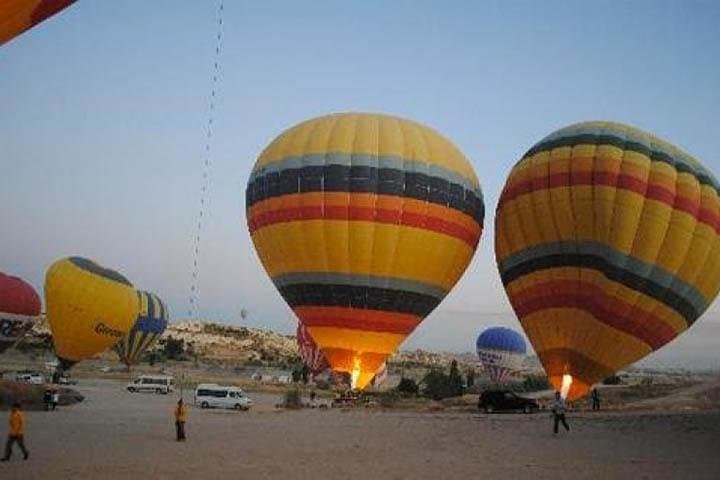

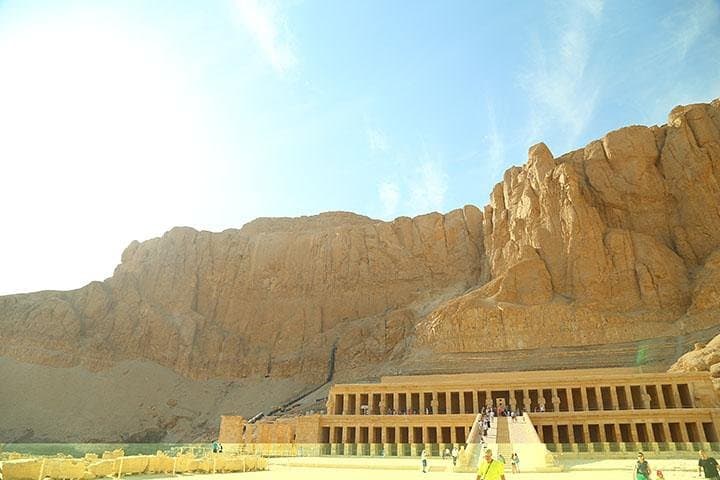
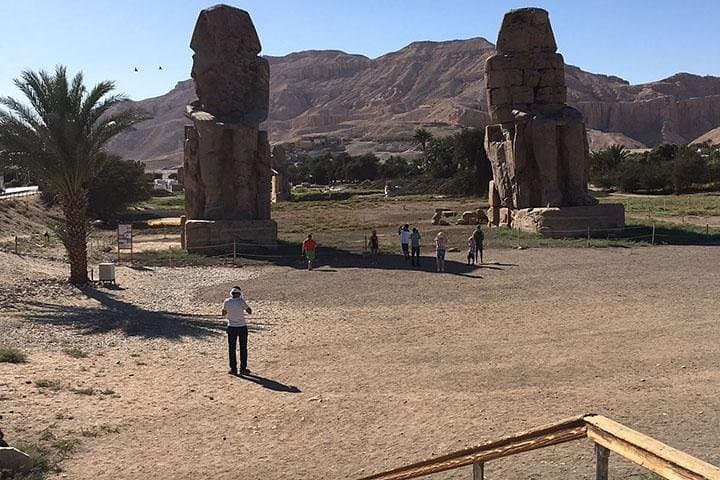
Before dawn, the desert exhales cool air and the Nile’s still surface catches the first light — then the balloon inflates and Luxor rises beneath you. From the basket the city’s monuments shrink into a grid of stone and palm groves: Karnak’s pylons, Luxor Temple’s colonnades and the West Bank’s funerary ridges lay out the region’s human story, while early-morning farmers steer irrigation canals like threads through the floodplain.
Before dawn, the desert exhales cool air and the Nile’s still surface catches the first light — then the balloon inflates and Luxor rises beneath you. From the basket the city’s monuments shrink into a grid of stone and palm groves: Karnak’s pylons, Luxor Temple’s colonnades and the West Bank’s funerary ridges lay out the region’s human story, while early-morning farmers steer irrigation canals like threads through the floodplain.
This flight follows the landscape of ancient Thebes, a site transformed by millennia of Nile flows, seasonal deposition and human engineering. Geology here is quiet: alluvial plains giving way to limestone escarpments where tomb builders cut into rock. Culturally, the flight is a modern lens on a living place — boatmen, feluccas and fieldworkers continue patterns that the pharaohs once relied on.
Practical guidance is simple and strict. Expect a very early pickup (typically before sunrise), a safety briefing, a 45–60 minute airborne window and a gentle landing followed by customary tea and a flight certificate. Operators usually include hotel pickup, an English-speaking guide and transport in air-conditioned vehicles. The ride is suitable for most fitness levels but is not recommended for pregnant people or anyone with significant heart conditions. Weather can cancel flights — clear, calm mornings are essential — so book with flexibility.
Bring layered clothing for rapid temperature change, a secure camera, and a small bag for essentials. Arrive rested, keep movements measured in the basket and respect landing crew instructions. From above, Luxor’s history becomes topography; from the ground, that history will be waiting when you land.