THE ADVENTURE COLLECTIVE® · Independent discovery and booking for outdoor travel

Float above the Valley of the Kings at first light, then continue with a private Egyptologist-led tour of the West Bank’s tombs and temples. This sunrise balloon plus guided excursion pairs quiet aerial views with hands-on history and practical local insight.
Float above the Valley of the Kings at first light, then continue with a private Egyptologist-led tour of the West Bank’s tombs and temples. This sunrise balloon plus guided excursion pairs quiet aerial views with hands-on history and practical local insight.
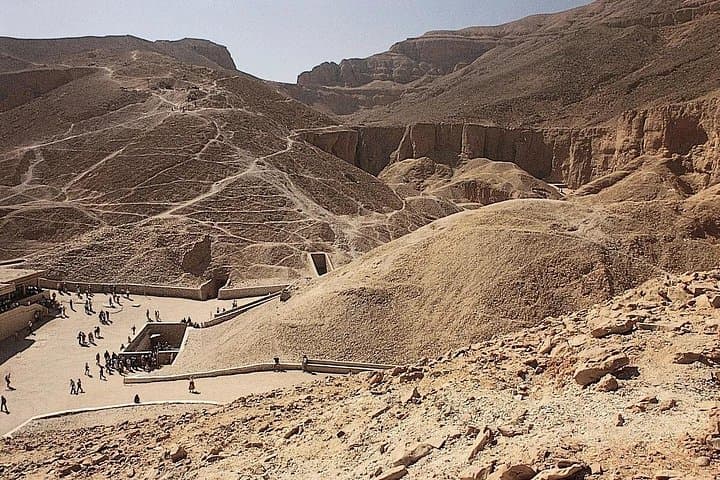
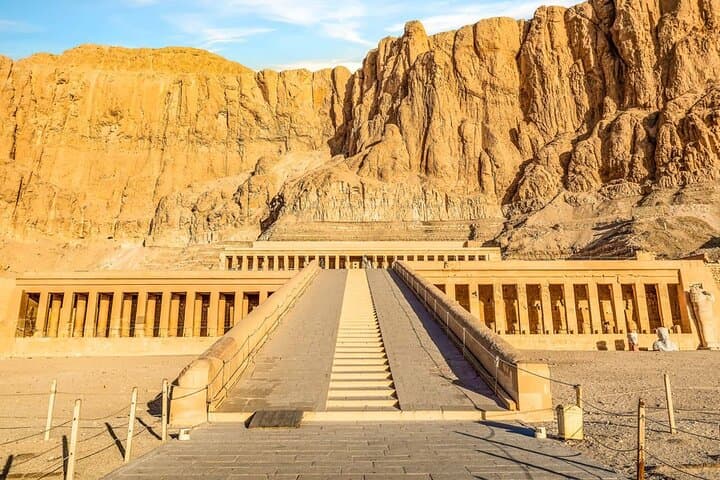
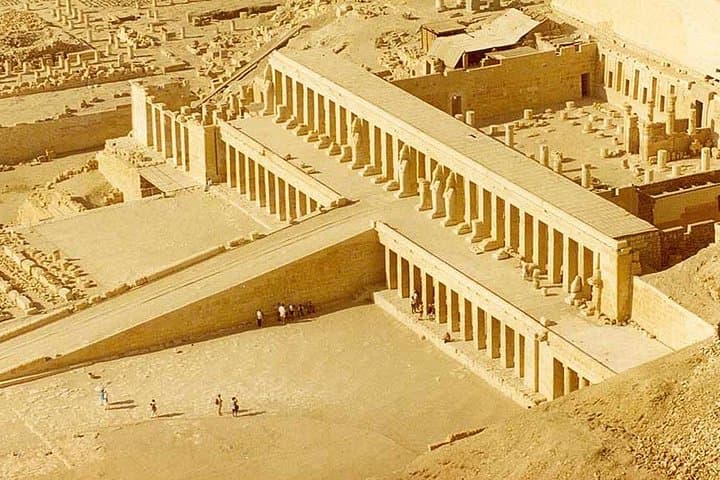
The basket tips as dawn fractures the desert — cool air, a hiss from the burner, and suddenly Luxor’s West Bank lays out below: ochre cliffs, the geometric roofs of mortuary temples, and thin green fingers of Nile irrigation. The balloon climbs silently and the Valley of the Kings, Hatshepsut’s terraces, and the Colossi of Memnon shrink into a map of shadows and sandstone.
Verified experiences and guided adventures in the surrounding area.
Operated by Luxor Amon Tours · Luxor, Luxor Governorate
The basket tips as dawn fractures the desert — cool air, a hiss from the burner, and suddenly Luxor’s West Bank lays out below: ochre cliffs, the geometric roofs of mortuary temples, and thin green fingers of Nile irrigation. The balloon climbs silently and the Valley of the Kings, Hatshepsut’s terraces, and the Colossi of Memnon shrink into a map of shadows and sandstone.
This experience pairs aerial perspective with archaeological depth. The West Bank served as Thebes’ necropolis during Egypt’s New Kingdom; tombs cut into limestone cliffs preserved painted scenes of kings, gods, and funerary ritual. Hatshepsut’s mortuary temple at Deir el-Bahari is carved into steep strata, telling a story of divine kingship and architectural audacity. Local Egyptologists narrate context you won’t glean from a plaque: the seasonal Nile flood that fed valley agriculture, the quarrying practices that shaped cliff faces, and the modern conservation challenges of humidity and tourism.
Practically, the day starts predawn with hotel pickup; the balloon flight and landing take about 45–60 minutes, followed by a private vehicle tour on uneven ground and short walks between sites. Expect early-morning temperatures, dust on landing, and several stairways within temple complexes. Bring sun protection, a light wind layer, comfortable closed-toe shoes, and cash for optional tomb admissions and tips. Photography rules vary—flash is often prohibited in tombs—and guides will advise on respectful behavior. The combined itinerary makes for an efficient, sensory-rich half-day that pairs the hush of flight with close-up encounters of ancient stone.
easy.
5–7 hours.
Suitable for travelers in average fitness—requires brief walks, standing, and climbing short temple stairs; not strenuous.
Flights typically last about 45–60 minutes depending on wind; total morning activity including pickup and tour runs 5–7 hours.
Some tombs have separate entrance fees (like Tutankhamun on occasion) and are optional; bring cash and check with your guide before visiting.
Operators follow safety standards but guests with spinal, heart conditions, or pregnancy are usually advised not to fly; infants may need to sit on laps—confirm with the operator.
Many tombs restrict flash or tripods to protect pigments and other materials; follow the Egyptologist’s guidance at each site.
Luxor’s West Bank was the necropolis for Thebes during the New Kingdom; monumental tomb and temple building reflected royal afterlife beliefs and Nile-driven wealth.
Modern conservation focuses on limiting humidity and human contact inside tombs, controlling visitor numbers, and reducing dust and vehicle emissions near fragile sites.
Luxor Amon Tours operates guided outdoor trips and adventures with an emphasis on safety, stewardship, and memorable experiences.

The basket tips as dawn fractures the desert — cool air, a hiss from the burner, and suddenly Luxor’s West Bank lays out below: ochre cliffs, the geometric roofs of mortuary temples, and thin green fingers of Nile irrigation. The balloon climbs silently and the Valley of the Kings, Hatshepsut’s terraces, and the Colossi of Memnon shrink into a map of shadows and sandstone.
The basket tips as dawn fractures the desert — cool air, a hiss from the burner, and suddenly Luxor’s West Bank lays out below: ochre cliffs, the geometric roofs of mortuary temples, and thin green fingers of Nile irrigation. The balloon climbs silently and the Valley of the Kings, Hatshepsut’s terraces, and the Colossi of Memnon shrink into a map of shadows and sandstone.
This experience pairs aerial perspective with archaeological depth. The West Bank served as Thebes’ necropolis during Egypt’s New Kingdom; tombs cut into limestone cliffs preserved painted scenes of kings, gods, and funerary ritual. Hatshepsut’s mortuary temple at Deir el-Bahari is carved into steep strata, telling a story of divine kingship and architectural audacity. Local Egyptologists narrate context you won’t glean from a plaque: the seasonal Nile flood that fed valley agriculture, the quarrying practices that shaped cliff faces, and the modern conservation challenges of humidity and tourism.
Practically, the day starts predawn with hotel pickup; the balloon flight and landing take about 45–60 minutes, followed by a private vehicle tour on uneven ground and short walks between sites. Expect early-morning temperatures, dust on landing, and several stairways within temple complexes. Bring sun protection, a light wind layer, comfortable closed-toe shoes, and cash for optional tomb admissions and tips. Photography rules vary—flash is often prohibited in tombs—and guides will advise on respectful behavior. The combined itinerary makes for an efficient, sensory-rich half-day that pairs the hush of flight with close-up encounters of ancient stone.