THE ADVENTURE COLLECTIVE® · Independent discovery and booking for outdoor travel

Float over Luxor at dawn for a rare aerial view of Karnak, the Nile, and the Valley of the Kings. This concise guide explains what you’ll see, how to prepare, and practical details for a seamless sunrise flight.
Float over Luxor at dawn for a rare aerial view of Karnak, the Nile, and the Valley of the Kings. This concise guide explains what you’ll see, how to prepare, and practical details for a seamless sunrise flight.
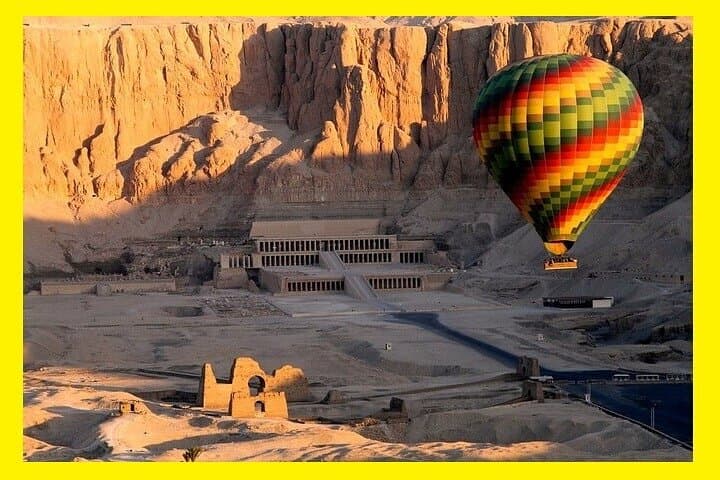
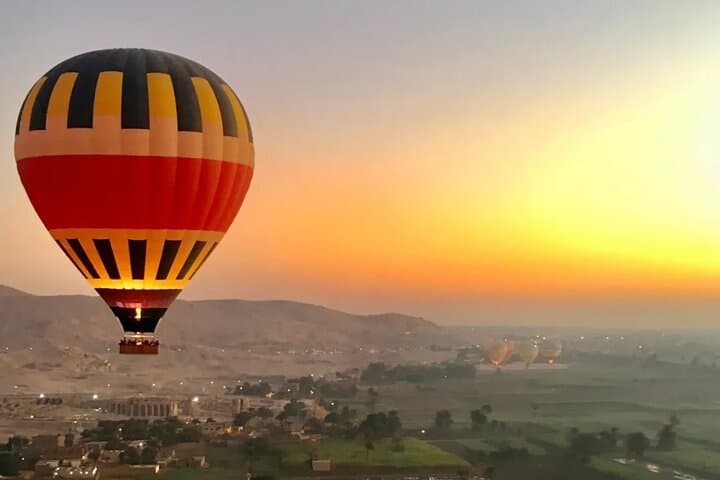
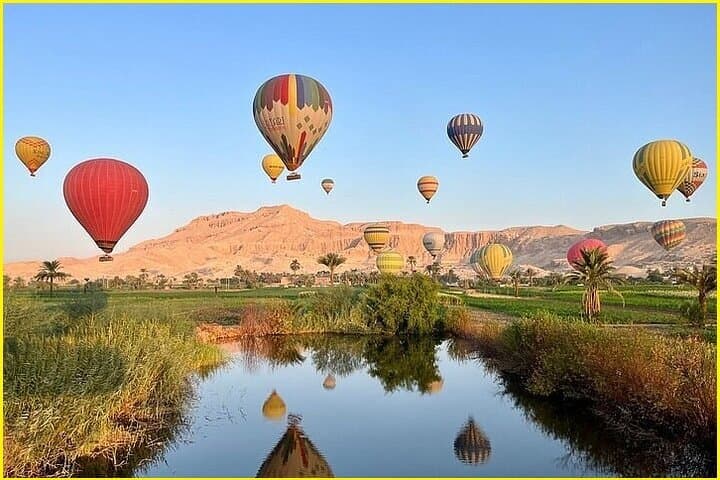
At first light the desert exhales a cool, mineral breath and the balloon envelope fills like a sleeping giant waking. You rise quietly above the Nile, the river’s ribbon narrowing as fields and temples shrink underneath. The soundscape is small — a soft burner pulse, the pilot’s call, the occasional bird — and the panorama opens: Karnak’s columns, the Valley of the Kings’ arid ridges, and the town’s ochre rooftops catching the awakening sun.
Verified experiences and guided adventures in the surrounding area.
Operated by Luxor Taxi - DayTour · Luxor, Luxor Governorate
At first light the desert exhales a cool, mineral breath and the balloon envelope fills like a sleeping giant waking. You rise quietly above the Nile, the river’s ribbon narrowing as fields and temples shrink underneath. The soundscape is small — a soft burner pulse, the pilot’s call, the occasional bird — and the panorama opens: Karnak’s columns, the Valley of the Kings’ arid ridges, and the town’s ochre rooftops catching the awakening sun.
Luxor sits on the remains of ancient Thebes, where pharaohs oriented their monuments to the river and the sun. The geology is stark: wind-scoured limestone ridges on the west bank, fertile alluvial strips beside the Nile that sustained millennia of settlement. From the air those contrasts read like a map of human ambition — temples aligned, necropolises splayed along cliff faces, agricultural veins fed by the river’s irrigation.
Culturally the flight is a quiet complement to ground visits: pilots often point out landmarks while offering concise history about pharaonic rituals and Ottoman-era town growth. Locals still rise early; the market and ferry traffic below add a lived-in texture to an otherwise ancient scene.
Practical guidance: expect a 45–60 minute flight within a 1–1.5 hour total experience. Transfers from central hotels are usually included; wear closed-toe shoes and layers for chilly dawn winds. Bring sun protection and a camera with a secure strap — landings can be bouncy. Weather determines go/no-go; operators prioritize safety, so have flexible scheduling during windy seasons. Arrive rested and ready to stand; the reward is an unobstructed, elevated view of one of history’s most concentrated archaeological landscapes.
easy.
1–1.5 hours.
Light — able to stand for 45–60 minutes and step in/out of the basket
The airborne portion typically lasts 45–60 minutes; total door-to-door time with transfers is about 1–1.5 hours.
Most operators accept all ages but require passengers to be able to stand and step into the basket; check with the provider for specific age minimums or pregnancy restrictions.
Flights are weather-dependent; operators will usually offer a full refund or reschedule if wind or visibility prevents a safe flight.
Yes — standard packages include roundtrip transfers from central Luxor hotels; confirm your pickup point and time when booking.
Luxor is the site of ancient Thebes; many temples and tombs were deliberately aligned to the Nile and solar cycles, reflecting funerary and state rituals of pharaonic Egypt.
Balloon operators and local guides often follow strict landing and waste protocols to minimize impact; visitors should avoid littering and respect restricted archaeological sites.
Luxor Taxi - DayTour operates guided outdoor trips and adventures with an emphasis on safety, stewardship, and memorable experiences.

At first light the desert exhales a cool, mineral breath and the balloon envelope fills like a sleeping giant waking. You rise quietly above the Nile, the river’s ribbon narrowing as fields and temples shrink underneath. The soundscape is small — a soft burner pulse, the pilot’s call, the occasional bird — and the panorama opens: Karnak’s columns, the Valley of the Kings’ arid ridges, and the town’s ochre rooftops catching the awakening sun.
At first light the desert exhales a cool, mineral breath and the balloon envelope fills like a sleeping giant waking. You rise quietly above the Nile, the river’s ribbon narrowing as fields and temples shrink underneath. The soundscape is small — a soft burner pulse, the pilot’s call, the occasional bird — and the panorama opens: Karnak’s columns, the Valley of the Kings’ arid ridges, and the town’s ochre rooftops catching the awakening sun.
Luxor sits on the remains of ancient Thebes, where pharaohs oriented their monuments to the river and the sun. The geology is stark: wind-scoured limestone ridges on the west bank, fertile alluvial strips beside the Nile that sustained millennia of settlement. From the air those contrasts read like a map of human ambition — temples aligned, necropolises splayed along cliff faces, agricultural veins fed by the river’s irrigation.
Culturally the flight is a quiet complement to ground visits: pilots often point out landmarks while offering concise history about pharaonic rituals and Ottoman-era town growth. Locals still rise early; the market and ferry traffic below add a lived-in texture to an otherwise ancient scene.
Practical guidance: expect a 45–60 minute flight within a 1–1.5 hour total experience. Transfers from central hotels are usually included; wear closed-toe shoes and layers for chilly dawn winds. Bring sun protection and a camera with a secure strap — landings can be bouncy. Weather determines go/no-go; operators prioritize safety, so have flexible scheduling during windy seasons. Arrive rested and ready to stand; the reward is an unobstructed, elevated view of one of history’s most concentrated archaeological landscapes.