THE ADVENTURE COLLECTIVE® · Independent discovery and booking for outdoor travel

Glide above Luxor as dawn paints the Nile and ancient monuments in gold. This early-morning balloon flight delivers unparalleled panoramas of the Valley of the Kings, Hatshepsut’s Temple, and the Colossi of Memnon, with hotel pickup included.
Glide above Luxor as dawn paints the Nile and ancient monuments in gold. This early-morning balloon flight delivers unparalleled panoramas of the Valley of the Kings, Hatshepsut’s Temple, and the Colossi of Memnon, with hotel pickup included.
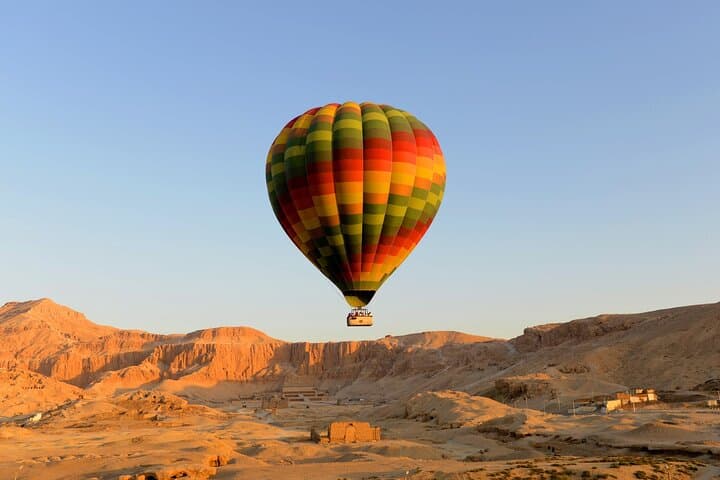
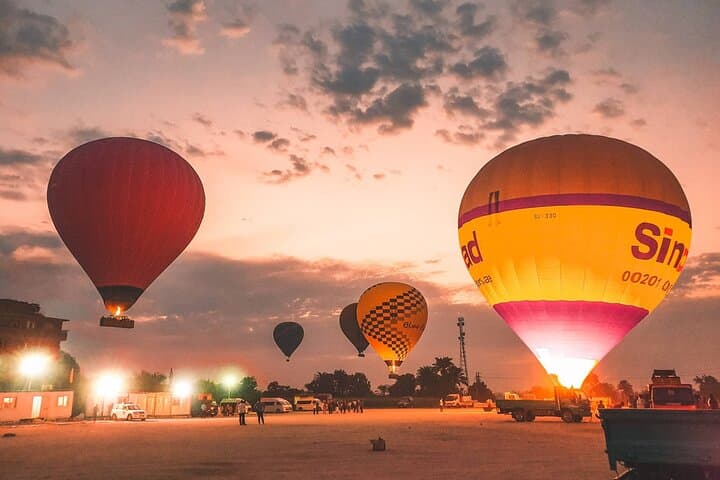
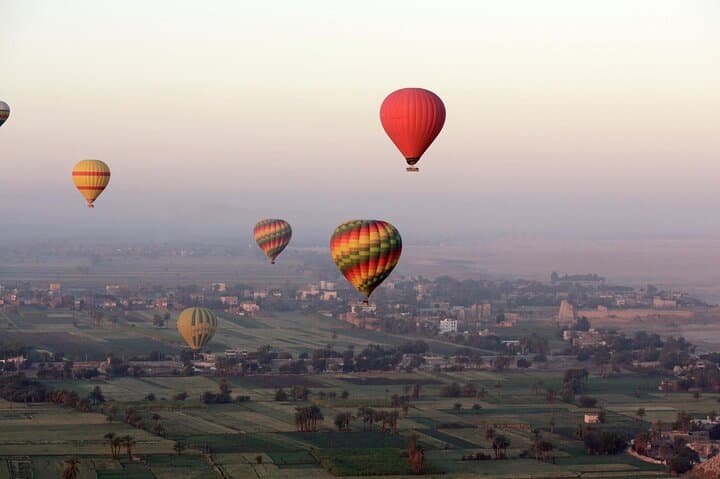
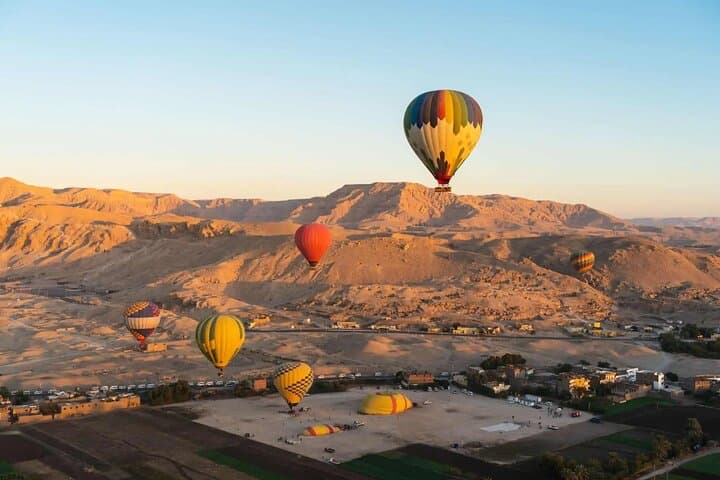
Before dawn the basket hums and the desert cools—then the flame breathes life into the envelope and the world lifts. Floating above Luxor at first light puts the Nile, the riverine fields, and a line of monuments into a single sweeping frame: the Valley of the Kings tucked into limestone cliffs, Hatshepsut’s tiered temple on the West Bank, and the Colossi of Memnon standing like sentinels below. The balloon offers a quiet, panoramic vantage that photography and ground tours can’t match.
Verified experiences and guided adventures in the surrounding area.
Operated by Luxor Taxi - DayTour · Luxor, Luxor Governorate
Before dawn the basket hums and the desert cools—then the flame breathes life into the envelope and the world lifts. Floating above Luxor at first light puts the Nile, the riverine fields, and a line of monuments into a single sweeping frame: the Valley of the Kings tucked into limestone cliffs, Hatshepsut’s tiered temple on the West Bank, and the Colossi of Memnon standing like sentinels below. The balloon offers a quiet, panoramic vantage that photography and ground tours can’t match.
Luxor was once Thebes, the religious heart of New Kingdom Egypt; the valley’s funerary tombs and temples were carved into the desert’s soft limestone and aligned to astronomical cycles. Geologically, the contrast between the fertile Nile floodplain and the arid desert scarp is immediate from the air—the Nile daring you to cross its green ribbon while the western plateau pushes the tombs into view. Local life—small farms, reed beds, and felucca traffic—threads the scene and adds human scale to the ancient architecture.
Practically: flights launch at sunrise, last roughly 45–60 minutes, and include hotel pickup and a safety briefing. Dress in layers for chilly mornings, wear closed shoes for the landing, and bring a camera with a secure strap; light conditions change fast. Ballooning is weather-dependent—operators cancel in high winds—and crews provide a short celebration and return transfer afterward. For anyone who wants a serene, elevated introduction to Luxor’s archaeology and landscape, a sunrise balloon is an efficient, memorable way to see the city’s past unfold beneath you.
easy.
2 hours.
Minimal fitness required; participants should be able to stand for the duration of the flight and climb in/out of a low basket.
Licensed pilots, ground crews, and insurance are standard; safety briefings cover landing positions and behavior in the basket.
Flights are canceled in high winds or unstable conditions—operators typically offer a full refund or reschedule if the flight is canceled for safety.
Policies vary by operator; many allow children but require adult supervision and may set minimum age limits—check during booking.
Pickups are typically 60–90 minutes before sunrise to reach the launch site for briefing and inflation; operators confirm exact times after booking.
Luxor—ancient Thebes—was the New Kingdom’s religious capital; many tombs and temples visible from the air date to 1550–1070 BCE and were sited using the river and desert geology.
Balloon operators often follow strict landing protocols to minimize disturbance; visitors should avoid littering, stay on designated paths when visiting monuments, and choose operators that support local communities.
Luxor Taxi - DayTour operates guided outdoor trips and adventures with an emphasis on safety, stewardship, and memorable experiences.
Before dawn the basket hums and the desert cools—then the flame breathes life into the envelope and the world lifts. Floating above Luxor at first light puts the Nile, the riverine fields, and a line of monuments into a single sweeping frame: the Valley of the Kings tucked into limestone cliffs, Hatshepsut’s tiered temple on the West Bank, and the Colossi of Memnon standing like sentinels below. The balloon offers a quiet, panoramic vantage that photography and ground tours can’t match.
Before dawn the basket hums and the desert cools—then the flame breathes life into the envelope and the world lifts. Floating above Luxor at first light puts the Nile, the riverine fields, and a line of monuments into a single sweeping frame: the Valley of the Kings tucked into limestone cliffs, Hatshepsut’s tiered temple on the West Bank, and the Colossi of Memnon standing like sentinels below. The balloon offers a quiet, panoramic vantage that photography and ground tours can’t match.
Luxor was once Thebes, the religious heart of New Kingdom Egypt; the valley’s funerary tombs and temples were carved into the desert’s soft limestone and aligned to astronomical cycles. Geologically, the contrast between the fertile Nile floodplain and the arid desert scarp is immediate from the air—the Nile daring you to cross its green ribbon while the western plateau pushes the tombs into view. Local life—small farms, reed beds, and felucca traffic—threads the scene and adds human scale to the ancient architecture.
Practically: flights launch at sunrise, last roughly 45–60 minutes, and include hotel pickup and a safety briefing. Dress in layers for chilly mornings, wear closed shoes for the landing, and bring a camera with a secure strap; light conditions change fast. Ballooning is weather-dependent—operators cancel in high winds—and crews provide a short celebration and return transfer afterward. For anyone who wants a serene, elevated introduction to Luxor’s archaeology and landscape, a sunrise balloon is an efficient, memorable way to see the city’s past unfold beneath you.