THE ADVENTURE COLLECTIVE® · Independent discovery and booking for outdoor travel

Rise before dawn for a hot-air balloon flight over the Dubai Desert Conservation Reserve. Drift above dunes, spot Arabian oryx and gazelles, then return to a light desert breakfast and falconry photos.
Rise before dawn for a hot-air balloon flight over the Dubai Desert Conservation Reserve. Drift above dunes, spot Arabian oryx and gazelles, then return to a light desert breakfast and falconry photos.
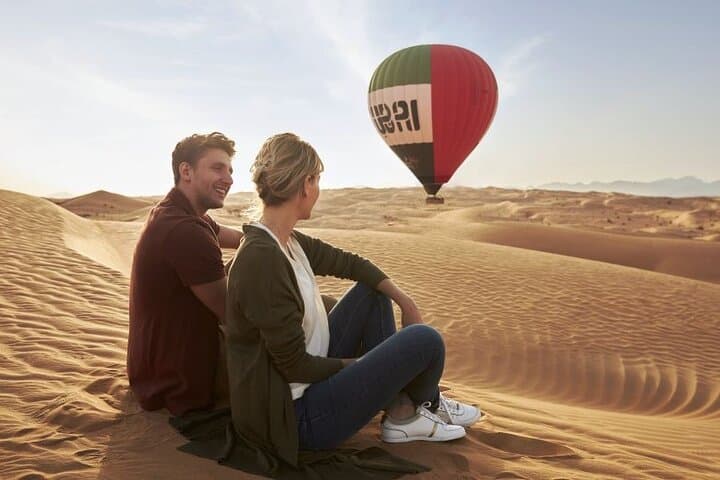
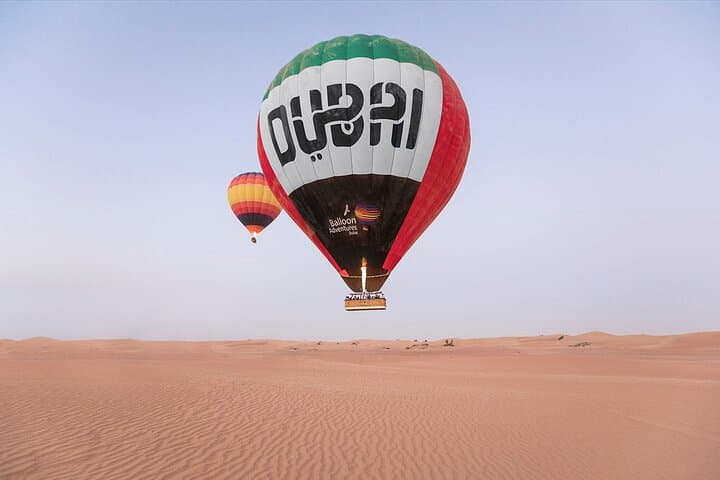
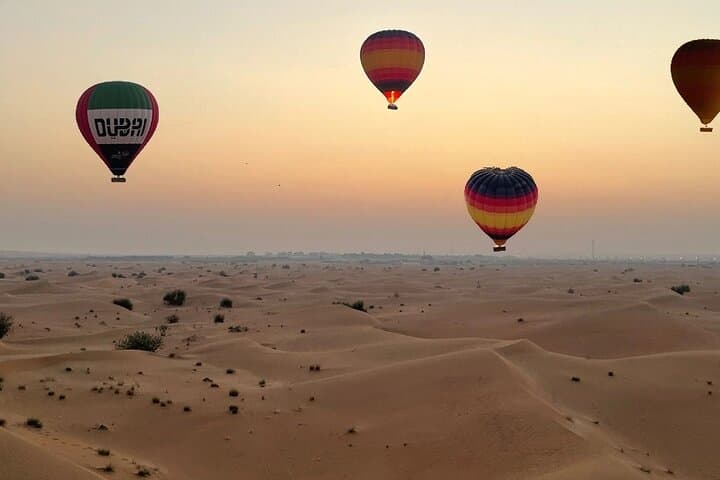
Before dawn a row of burners punctuates the desert hush and the basket tips upright—then you rise. The balloon lifts slowly above ochre dunes that roll like a slow ocean; the sun unspools behind the Hajar foothills and the desert pushes back a long, cold shadow. From 4,000+ feet the landscape reads differently: wind-sculpted ridges, scattered acacia, and the tiny, deliberate movements of grazing Arabian oryx and desert gazelles.
Verified experiences and guided adventures in the surrounding area.
Operated by Dubai Egypt Travel · Dubai, Dubai
Before dawn a row of burners punctuates the desert hush and the basket tips upright—then you rise. The balloon lifts slowly above ochre dunes that roll like a slow ocean; the sun unspools behind the Hajar foothills and the desert pushes back a long, cold shadow. From 4,000+ feet the landscape reads differently: wind-sculpted ridges, scattered acacia, and the tiny, deliberate movements of grazing Arabian oryx and desert gazelles.
The Dubai Desert Conservation Reserve protects patches of native habitat in an area shaped by Pleistocene sea levels and millennia of wind erosion. The ride sits at the intersection of modern Emirati tourism and traditional Bedouin culture—crested dunes that once directed camel caravans now drift beneath souvenir balloons. Falconry, a local cultural practice, is often presented post-flight as an introduction to regional wildlife and heritage.
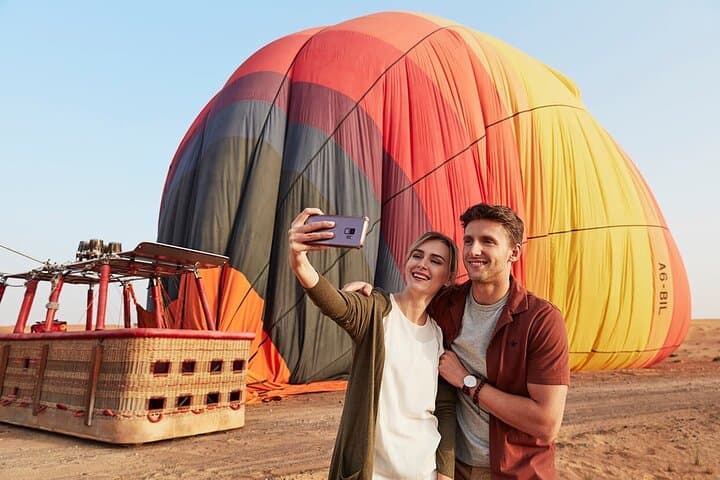
Practically, expect a pre-dawn pickup from Dubai, a crew-assisted inflation, and a 40–70 minute airborne window depending on conditions. Landings can be brisk; ground crews often flag the basket with practiced urgency. Operators typically include a light breakfast, certificate, and a staged falcon photo.
Plan for early starts (pickup around 04:30), layered clothing for the temperature drop at altitude, and a camera with a fast shutter for wildlife and sunrise colors. Mobility requirements are light—entry to the basket and short, uneven landings—but be prepared for brief hikes across sand after touchdown. The flight is at once observational and elemental: the desert watches back, the wind decides the route, and the horizon rewards those who rise with it.
moderate.
4 hours (includes transfer and post-flight time).
Suitable for most fitness levels; requires stepping into/out of the basket and standing for the flight
The airborne portion typically lasts 40–70 minutes depending on weather; total tour time including transfers runs about four hours.
Infants and small children can ride; operators often provide infant seats and specific booking requirements—check ageband rules.
Yes—most operators include hotel pickup and return from Dubai; confirm exact pickup time during booking.
Wear closed-toe shoes and layered clothing for warmth at altitude; bring water, a camera with strap, and any necessary medications.
The Dubai Desert Conservation Reserve was established to protect native desert habitat and species; modern conservation there balances tourism and habitat restoration.
Operators typically work within reserve guidelines to minimize disturbance—follow staff instructions, avoid littering, and respect wildlife distances.
Dubai Egypt Travel operates guided outdoor trips and adventures with an emphasis on safety, stewardship, and memorable experiences.
Before dawn a row of burners punctuates the desert hush and the basket tips upright—then you rise. The balloon lifts slowly above ochre dunes that roll like a slow ocean; the sun unspools behind the Hajar foothills and the desert pushes back a long, cold shadow. From 4,000+ feet the landscape reads differently: wind-sculpted ridges, scattered acacia, and the tiny, deliberate movements of grazing Arabian oryx and desert gazelles.
Before dawn a row of burners punctuates the desert hush and the basket tips upright—then you rise. The balloon lifts slowly above ochre dunes that roll like a slow ocean; the sun unspools behind the Hajar foothills and the desert pushes back a long, cold shadow. From 4,000+ feet the landscape reads differently: wind-sculpted ridges, scattered acacia, and the tiny, deliberate movements of grazing Arabian oryx and desert gazelles.
The Dubai Desert Conservation Reserve protects patches of native habitat in an area shaped by Pleistocene sea levels and millennia of wind erosion. The ride sits at the intersection of modern Emirati tourism and traditional Bedouin culture—crested dunes that once directed camel caravans now drift beneath souvenir balloons. Falconry, a local cultural practice, is often presented post-flight as an introduction to regional wildlife and heritage.
Practically, expect a pre-dawn pickup from Dubai, a crew-assisted inflation, and a 40–70 minute airborne window depending on conditions. Landings can be brisk; ground crews often flag the basket with practiced urgency. Operators typically include a light breakfast, certificate, and a staged falcon photo.
Plan for early starts (pickup around 04:30), layered clothing for the temperature drop at altitude, and a camera with a fast shutter for wildlife and sunrise colors. Mobility requirements are light—entry to the basket and short, uneven landings—but be prepared for brief hikes across sand after touchdown. The flight is at once observational and elemental: the desert watches back, the wind decides the route, and the horizon rewards those who rise with it.