THE ADVENTURE COLLECTIVE® · Independent discovery and booking for outdoor travel

Rise above Luxor at dawn in a hot-air balloon, then spend a full day exploring the West Bank’s greatest sites—from the Valley of the Kings to Hatshepsut’s temple. This combined aerial-and-archaeology tour pairs sweeping early-morning views with up-close cultural discoveries.
Rise above Luxor at dawn in a hot-air balloon, then spend a full day exploring the West Bank’s greatest sites—from the Valley of the Kings to Hatshepsut’s temple. This combined aerial-and-archaeology tour pairs sweeping early-morning views with up-close cultural discoveries.
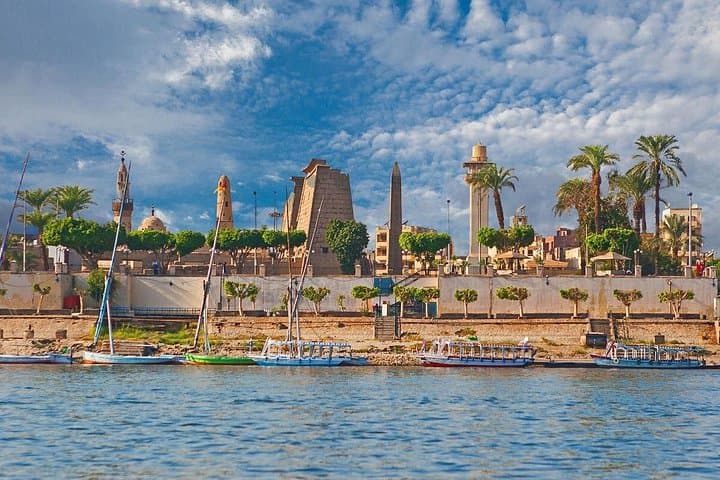
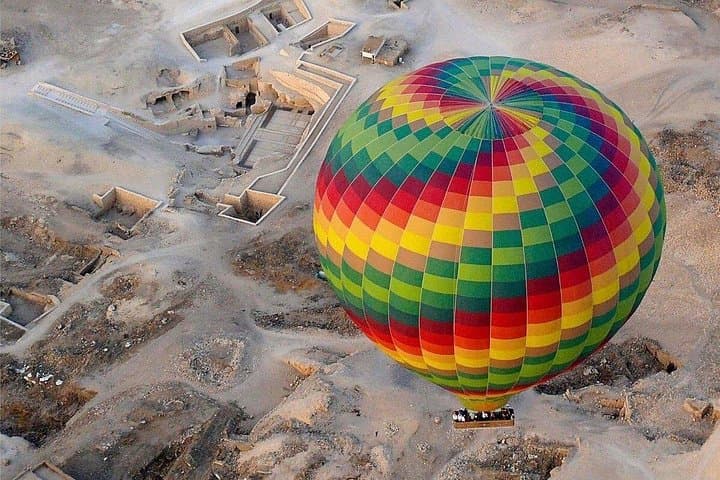
When the balloon burners crackle at first light, the Nile valley below Luxor loosens its shadows and reveals a stitched landscape of temples, fields and scattered necropolises. Floating at sunrise, the city’s monuments—miniature from above—unfurl into a wide, ochre panorama while the river glints like a ribbon that keeps history moving.
Verified experiences and guided adventures in the surrounding area.
Operated by Egypt VIP Tours · Luxor, Luxor Governorate
When the balloon burners crackle at first light, the Nile valley below Luxor loosens its shadows and reveals a stitched landscape of temples, fields and scattered necropolises. Floating at sunrise, the city’s monuments—miniature from above—unfurl into a wide, ochre panorama while the river glints like a ribbon that keeps history moving.
This full-day pairing moves from aerial perspective to archaeological close-up. The balloon flight (about 45 minutes) gives a bird’s-eye orientation to the West Bank—Valley of the Kings, Valley of the Queens, Deir el-Bahari—sites that span New Kingdom pharaonic ambition and funerary ritual. Geologically, the limestone cliffs of the Theban hills carve the valleys where tombs were cut; culturally, the area records millennia of ritual, power and craft—from Hatshepsut’s terraces to Ramses III’s vast mortuary complex.
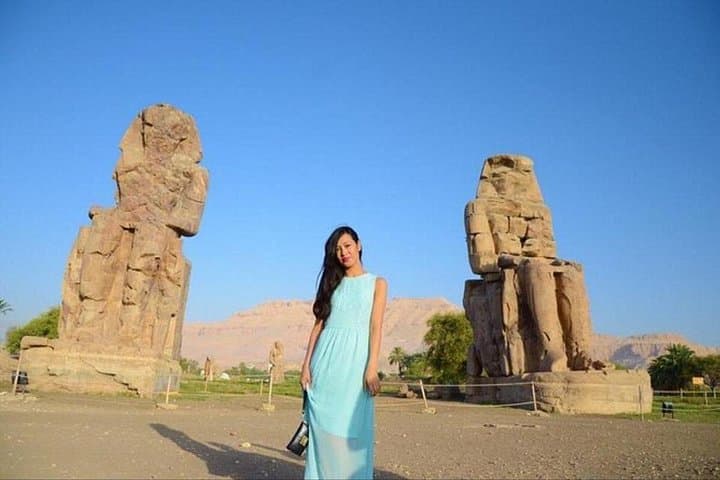
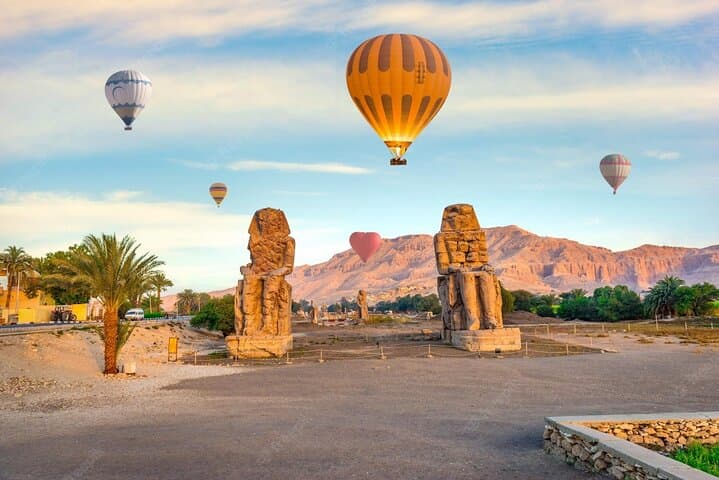
Expect uneven stone steps, narrow tomb corridors and sun-exposed desert between monuments. The itinerary typically includes guided stops at the Valley of the Kings, Hatshepsut’s temple, Colossi of Memnon, Medinet Habu and the Valley of the Queens, plus a lunch break and hotel transfers.
Practical guidance: book early-morning balloon slots to avoid heat and turbulence; bring sun protection, comfortable walking shoes with grip for tomb passages, and a reusable water bottle (refillable during the tour). Confirm pickup times with your operator the night before. For photographers, a zoom lens captures relief and hieroglyph detail; for restless travelers, allow quiet time at Deir el-Bahari to absorb the scale.
This is a balanced day of aerial wonder and hands-on history—best for travelers comfortable with a long day of walking and strong sun.
moderate.
9 hours.
Moderate fitness—able to walk 2–5 miles over uneven ground and climb stone steps throughout the day.
Operators use certified pilots and safety briefings; flights are weather-dependent—choose reputable companies and follow pilot instructions.
Typical packages may not include archaeological site entrance fees—confirm with the provider and budget for Egypt Museum and tomb tickets separately.
Age rules vary by operator; infants often must sit on laps and some providers limit young children—check the tour’s booking conditions.
Balloon flights can be canceled for wind or unsafe conditions; reputable operators will reschedule or refund affected segments according to their policy.
The West Bank around Luxor served as the necropolis for Thebes during the New Kingdom; many temples and tombs were carved between the 16th and 11th centuries BCE.
Rising visitor numbers stress fragile tomb paintings and stonework—follow guides’ instructions, avoid flash photography where prohibited, and use marked paths to limit erosion.
Egypt VIP Tours operates guided outdoor trips and adventures with an emphasis on safety, stewardship, and memorable experiences.
When the balloon burners crackle at first light, the Nile valley below Luxor loosens its shadows and reveals a stitched landscape of temples, fields and scattered necropolises. Floating at sunrise, the city’s monuments—miniature from above—unfurl into a wide, ochre panorama while the river glints like a ribbon that keeps history moving.
When the balloon burners crackle at first light, the Nile valley below Luxor loosens its shadows and reveals a stitched landscape of temples, fields and scattered necropolises. Floating at sunrise, the city’s monuments—miniature from above—unfurl into a wide, ochre panorama while the river glints like a ribbon that keeps history moving.
This full-day pairing moves from aerial perspective to archaeological close-up. The balloon flight (about 45 minutes) gives a bird’s-eye orientation to the West Bank—Valley of the Kings, Valley of the Queens, Deir el-Bahari—sites that span New Kingdom pharaonic ambition and funerary ritual. Geologically, the limestone cliffs of the Theban hills carve the valleys where tombs were cut; culturally, the area records millennia of ritual, power and craft—from Hatshepsut’s terraces to Ramses III’s vast mortuary complex.
Expect uneven stone steps, narrow tomb corridors and sun-exposed desert between monuments. The itinerary typically includes guided stops at the Valley of the Kings, Hatshepsut’s temple, Colossi of Memnon, Medinet Habu and the Valley of the Queens, plus a lunch break and hotel transfers.
Practical guidance: book early-morning balloon slots to avoid heat and turbulence; bring sun protection, comfortable walking shoes with grip for tomb passages, and a reusable water bottle (refillable during the tour). Confirm pickup times with your operator the night before. For photographers, a zoom lens captures relief and hieroglyph detail; for restless travelers, allow quiet time at Deir el-Bahari to absorb the scale.
This is a balanced day of aerial wonder and hands-on history—best for travelers comfortable with a long day of walking and strong sun.