THE ADVENTURE COLLECTIVE® · Independent discovery and booking for outdoor travel

Ride to Mount Terevaka’s summit on a private, beginner-friendly horseback tour that opens your visit to Rapa Nui with sweeping ocean views and a compact lesson in the island’s geology and culture. Expect variable weather, eucalyptus groves, and calm, guided pacing.
Ride to Mount Terevaka’s summit on a private, beginner-friendly horseback tour that opens your visit to Rapa Nui with sweeping ocean views and a compact lesson in the island’s geology and culture. Expect variable weather, eucalyptus groves, and calm, guided pacing.
Morning light slices across volcanic flats as you mount a steady Chilean horse and begin the climb to Terevaka. The air is sharp with ocean salt and eucalyptus; hooves tread a mix of packed soil, grassland, and shallow volcanic scree as the island slowly unfurls beneath you.
Verified experiences and guided adventures in the surrounding area.
Operated by Adventure Terevaka · Hanga Roa, Valparaíso Region
Morning light slices across volcanic flats as you mount a steady Chilean horse and begin the climb to Terevaka. The air is sharp with ocean salt and eucalyptus; hooves tread a mix of packed soil, grassland, and shallow volcanic scree as the island slowly unfurls beneath you.
The ride follows trails once used by Rapa Nui communities moving between coastal ahu and inland water sources. Geologically, Terevaka is the island’s youngest and highest volcanic cone—its slopes are rolling lava fields interrupted by pockets of soil that support low shrub and introduced eucalyptus. Culturally, views from the summit put the island’s moai and stone platforms into context: these figures mark points in a landscape of ceremony, food cultivation, and seafaring.
Expect a beginner-friendly pace designed for small private groups (max six). The ascent passes through eucalyptus groves where small birds flit and into high meadows that offer broad vistas of the Pacific and neighboring islets. Weather can shift quickly—sun can give way to wind or drizzle.
Practical guidance: wear long pants and closed shoes to avoid saddle rub and protect from brush; bring layered outerwear for wind and possible rain, sunscreen, and at least one liter of water. Guides provide basic riding instruction and handle logistics including hotel pickup and a short transfer to the ranch. Photography stops at the summit are frequent; allow time to dismount and stretch your legs before heading back down. The ride is a concise, immersive way to read the island’s geology and history from horseback—steady, scenic, and well suited to travelers who prefer small-group, private experiences.
moderate.
3 hours.
Suitable for most people with basic mobility; you should be able to balance in the saddle for 1–2 hours and mount/dismount independently or with minimal assistance.
The route is designed for beginners with a steady, guided pace and basic instruction before mounting; riders should be comfortable sitting on a horse for up to two hours.
Yes — private hotel pickup and a short air-conditioned transfer to the ranch are included in the tour details.
Layered clothing, a windproof/waterproof shell, long pants, and closed-toe shoes are recommended to handle sun, wind, and occasional rain.
Restrooms are available at the ranch before departure and may be limited on the trail; plan accordingly and ask your guide about stops.
Terevaka is the island’s largest volcanic cone and a key reference point in Rapa Nui navigation and settlement patterns; summit views help explain the placement of moai on coastal ahu.
Rapa Nui’s fragile soils and archaeological sites require staying on trails and following guide directions; limiting group size and private tours reduce trampling and cultural impact.
Adventure Terevaka operates guided outdoor trips and adventures with an emphasis on safety, stewardship, and memorable experiences.
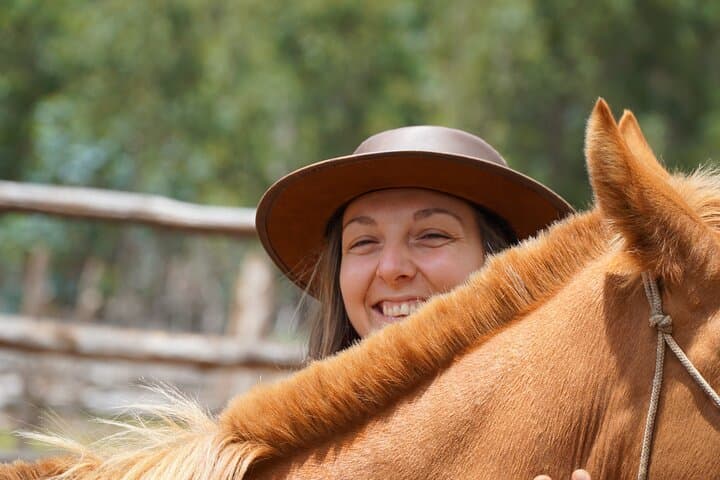

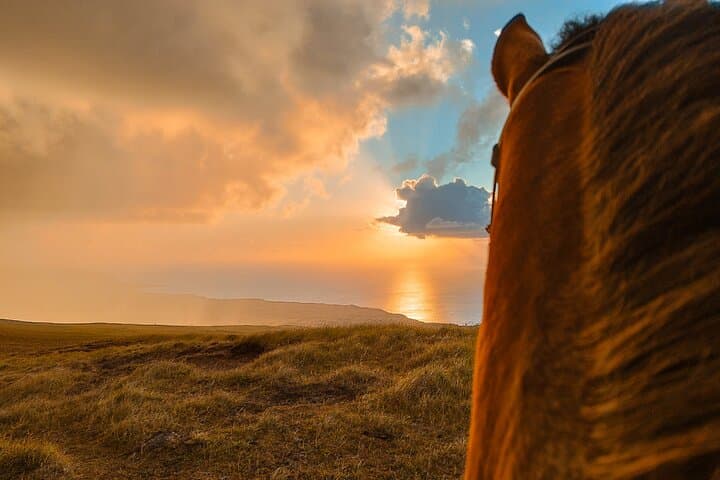
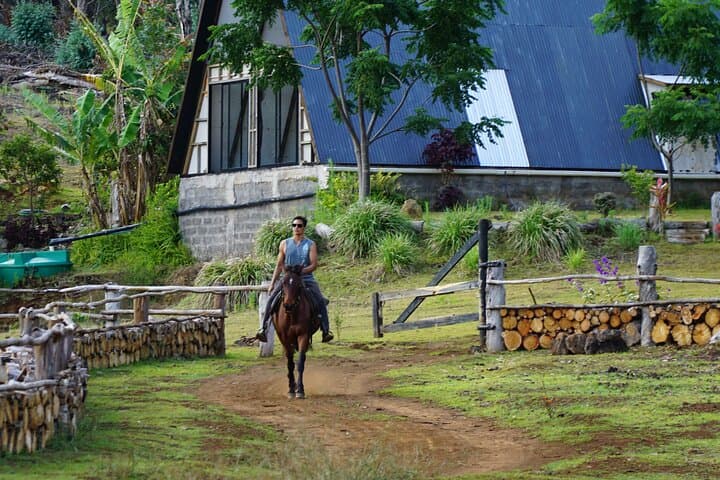
Morning light slices across volcanic flats as you mount a steady Chilean horse and begin the climb to Terevaka. The air is sharp with ocean salt and eucalyptus; hooves tread a mix of packed soil, grassland, and shallow volcanic scree as the island slowly unfurls beneath you.
Morning light slices across volcanic flats as you mount a steady Chilean horse and begin the climb to Terevaka. The air is sharp with ocean salt and eucalyptus; hooves tread a mix of packed soil, grassland, and shallow volcanic scree as the island slowly unfurls beneath you.
The ride follows trails once used by Rapa Nui communities moving between coastal ahu and inland water sources. Geologically, Terevaka is the island’s youngest and highest volcanic cone—its slopes are rolling lava fields interrupted by pockets of soil that support low shrub and introduced eucalyptus. Culturally, views from the summit put the island’s moai and stone platforms into context: these figures mark points in a landscape of ceremony, food cultivation, and seafaring.
Expect a beginner-friendly pace designed for small private groups (max six). The ascent passes through eucalyptus groves where small birds flit and into high meadows that offer broad vistas of the Pacific and neighboring islets. Weather can shift quickly—sun can give way to wind or drizzle.
Practical guidance: wear long pants and closed shoes to avoid saddle rub and protect from brush; bring layered outerwear for wind and possible rain, sunscreen, and at least one liter of water. Guides provide basic riding instruction and handle logistics including hotel pickup and a short transfer to the ranch. Photography stops at the summit are frequent; allow time to dismount and stretch your legs before heading back down. The ride is a concise, immersive way to read the island’s geology and history from horseback—steady, scenic, and well suited to travelers who prefer small-group, private experiences.