THE ADVENTURE COLLECTIVE® · Independent discovery and booking for outdoor travel

A brisk pre-dawn climb from Pokhara to Sarangkot delivers one of Nepal’s most famous mountain sunrises. This concise guide covers what you’ll see, the trail conditions, and practical tips to time and prepare for the experience.
A brisk pre-dawn climb from Pokhara to Sarangkot delivers one of Nepal’s most famous mountain sunrises. This concise guide covers what you’ll see, the trail conditions, and practical tips to time and prepare for the experience.
The trail climbs before dawn, village lamps dimming as a cool wind pushes up the ridge. By headlamp you move through oak and pine; chatter from roosters fades and the skyline brightens into a thin line of gold. At Sarangkot, the valley opens — terraced fields below, Fewa Lake catching the light, and the Annapurna range rising like a wall carved in frost.
Verified experiences and guided adventures in the surrounding area.
Operated by Swami Narayan Travels Pvt Ltd · Pokhara, Gandaki Province
The trail climbs before dawn, village lamps dimming as a cool wind pushes up the ridge. By headlamp you move through oak and pine; chatter from roosters fades and the skyline brightens into a thin line of gold. At Sarangkot, the valley opens — terraced fields below, Fewa Lake catching the light, and the Annapurna range rising like a wall carved in frost.
Sarangkot has long been a local vantage point for viewing the Annapurna massif and Dhaulagiri. Geologically, the ridge is part of the Lesser Himalaya, composed of metamorphic rocks tilted and thrust up by the collision of the Indian and Eurasian plates. Culturally, the path winds through rural Gurung settlements; you pass small shrines, stone walls and terraced agriculture that reflect centuries of hill farming.
Expect a steady uphill on forest tracks and paved village lanes, with intermittent stone steps — elevation gain is roughly 600–900m depending on the route from Lakeside, and the full out-and-back takes about 4–5 hours at a moderate pace. The morning is best: cold air sharpens mountaintop visibility and fewer clouds sit below the peaks.
Practical guidance: start early to reach Sarangkot for sunrise, wear sturdy shoes for uneven rock and steps, and bring warm layers — temperatures drop on the ridge. Hydrate before you leave Pokhara and carry snacks; facilities on the hill are limited. Local guides and pickup from Lakeside are common and helpful for navigation and timing. Leave no trace: stick to paths and carry out waste so this classic Nepal viewpoint stays available for the next dawn.
moderate.
4–5 hours.
Suitable for hikers with basic cardio fitness comfortable with sustained uphill walking and short steep sections.
Expect about 4–5 hours round-trip depending on your pace and exact start point; driving parts shorten the walking time.
Not strictly — the route is used by locals — but a guide simplifies early pickup logistics and local navigation, and supports the community.
Yes — a short private car or taxi ride from Lakeside reaches a parking area near the viewpoint for those preferring less walking.
Basic tea houses and toilets exist near Sarangkot’s main viewpoint, but early-morning options are limited; carry essentials and small change.
Sarangkot has long been a local lookout and signaling point; its vantage became a popular tourist sunrise spot as Pokhara developed in the 20th century.
Trail erosion and litter are local concerns—stay on established paths and pack out waste; support community-run homestays that reinvest in trail upkeep.
Swami Narayan Travels Pvt Ltd operates guided outdoor trips and adventures with an emphasis on safety, stewardship, and memorable experiences.
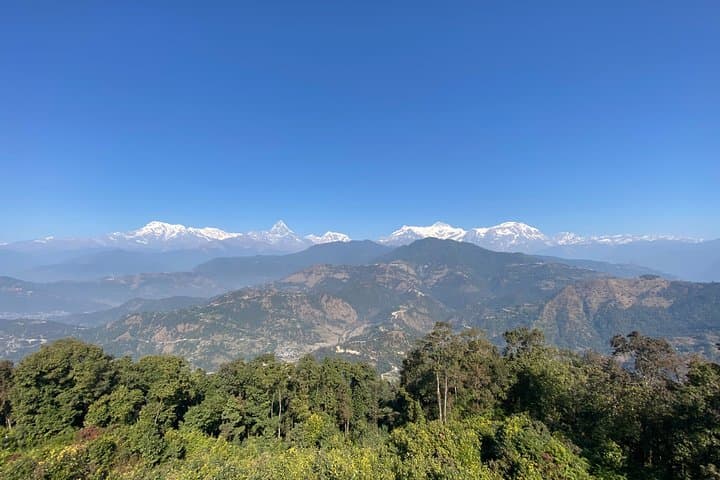
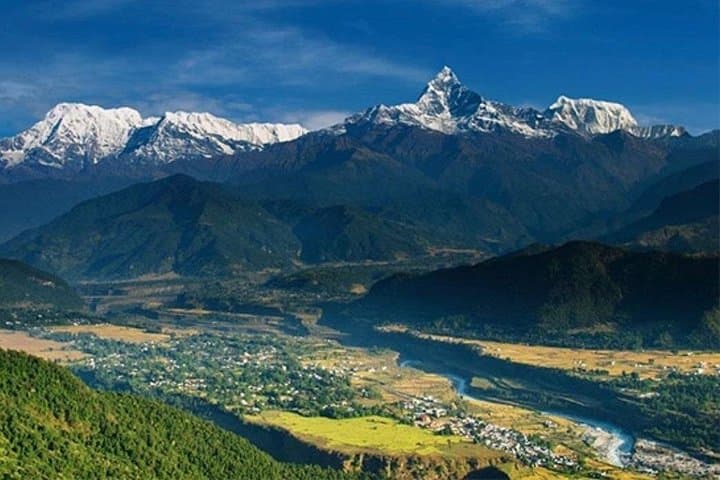
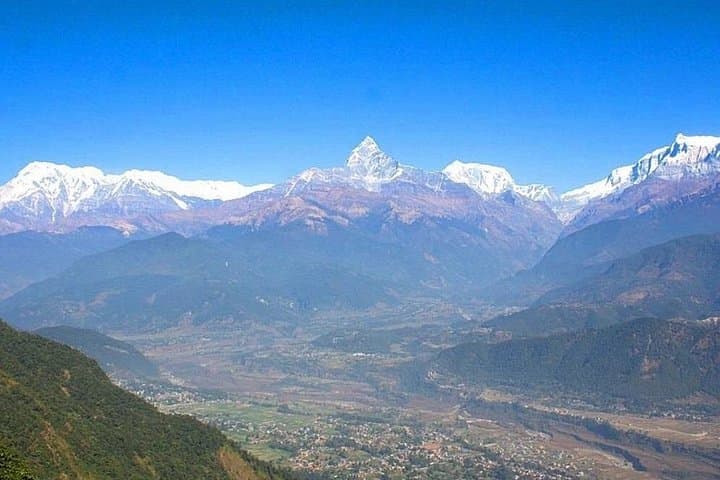
The trail climbs before dawn, village lamps dimming as a cool wind pushes up the ridge. By headlamp you move through oak and pine; chatter from roosters fades and the skyline brightens into a thin line of gold. At Sarangkot, the valley opens — terraced fields below, Fewa Lake catching the light, and the Annapurna range rising like a wall carved in frost.
The trail climbs before dawn, village lamps dimming as a cool wind pushes up the ridge. By headlamp you move through oak and pine; chatter from roosters fades and the skyline brightens into a thin line of gold. At Sarangkot, the valley opens — terraced fields below, Fewa Lake catching the light, and the Annapurna range rising like a wall carved in frost.
Sarangkot has long been a local vantage point for viewing the Annapurna massif and Dhaulagiri. Geologically, the ridge is part of the Lesser Himalaya, composed of metamorphic rocks tilted and thrust up by the collision of the Indian and Eurasian plates. Culturally, the path winds through rural Gurung settlements; you pass small shrines, stone walls and terraced agriculture that reflect centuries of hill farming.
Expect a steady uphill on forest tracks and paved village lanes, with intermittent stone steps — elevation gain is roughly 600–900m depending on the route from Lakeside, and the full out-and-back takes about 4–5 hours at a moderate pace. The morning is best: cold air sharpens mountaintop visibility and fewer clouds sit below the peaks.
Practical guidance: start early to reach Sarangkot for sunrise, wear sturdy shoes for uneven rock and steps, and bring warm layers — temperatures drop on the ridge. Hydrate before you leave Pokhara and carry snacks; facilities on the hill are limited. Local guides and pickup from Lakeside are common and helpful for navigation and timing. Leave no trace: stick to paths and carry out waste so this classic Nepal viewpoint stays available for the next dawn.