THE ADVENTURE COLLECTIVE® · Independent discovery and booking for outdoor travel

A private day hike to Nagarkot delivers Himalayan panoramas, a sunrise worth the early start, and a stop at the UNESCO Changunarayan Temple. Practical for most walkers, the route mixes village paths, terraces and ridge viewpoints.
A private day hike to Nagarkot delivers Himalayan panoramas, a sunrise worth the early start, and a stop at the UNESCO Changunarayan Temple. Practical for most walkers, the route mixes village paths, terraces and ridge viewpoints.
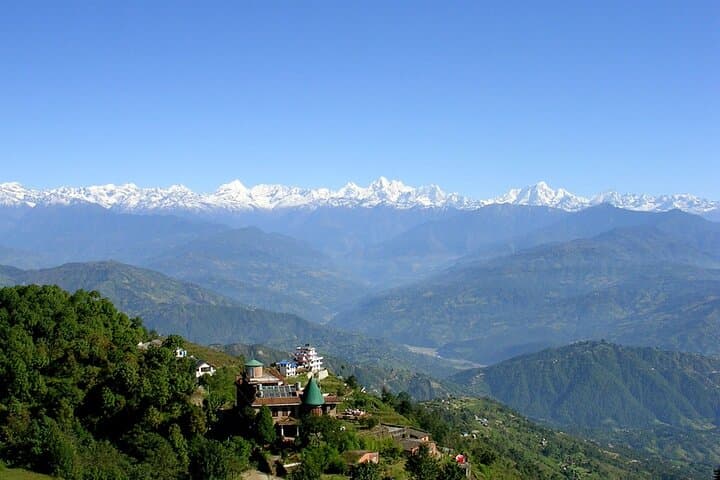
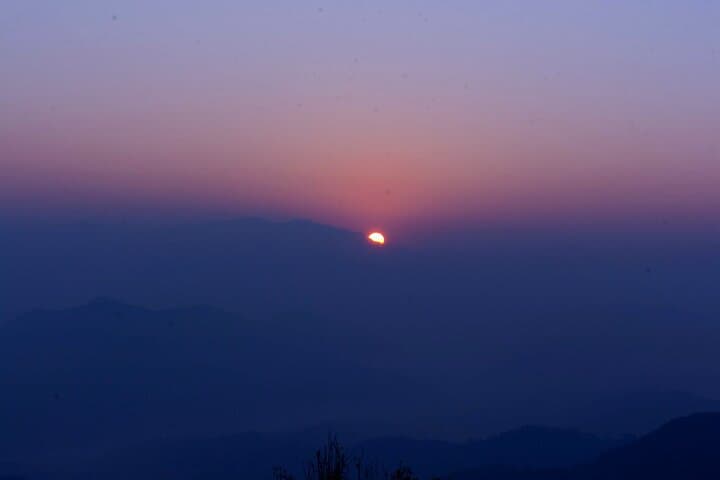
Dawn arrives over Nagarkot as the ridge exhales: cold mountain air pushing clouds off the horizon and revealing a row of snow peaks that demand your attention. The trail begins in terraced fields and village lanes, where prayer flags tremble and local Tamang and Gurung households start their day—simple signals that the hills are inhabited, not only observed.
Verified experiences and guided adventures in the surrounding area.
Operated by Adventure Himalayan Travels and Treks · Nagarkot, Bagmati Province
Dawn arrives over Nagarkot as the ridge exhales: cold mountain air pushing clouds off the horizon and revealing a row of snow peaks that demand your attention. The trail begins in terraced fields and village lanes, where prayer flags tremble and local Tamang and Gurung households start their day—simple signals that the hills are inhabited, not only observed.
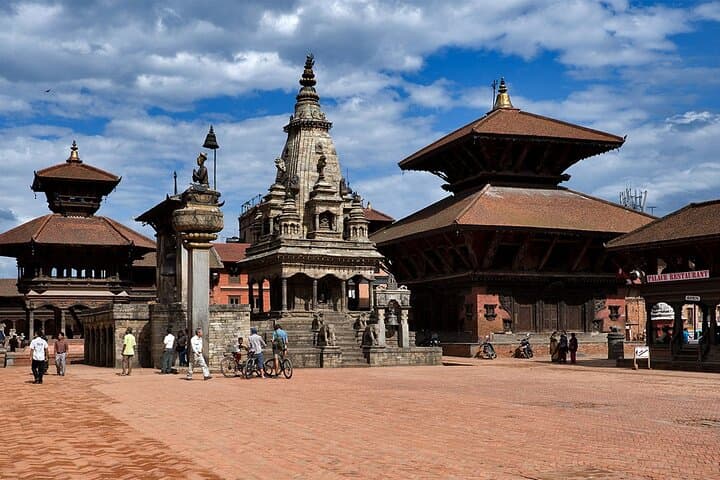
Geologically, Nagarkot sits on the lower slopes of the Mahabharat Range at about 2,195 m (7,200 ft), a vantage carved by tectonic uplift and centuries of erosion. The route often loops past Changunarayan, a UNESCO-listed Vishnu temple with stone carvings that date back over a thousand years, reminding walkers that these slopes are as cultural as they are scenic.
Vegetation shifts from cultivated terraces to rhododendron and oak, and the ridge gives panoramic angles on Everest, Manaslu and Annapurna on clear mornings. The wind dares you to stay and watch; clouds press forward and reshape the view every ten minutes.
Practical side: this private day hike typically runs 5–6 hours including drive time from Kathmandu, with a mix of dirt tracks, paved village lanes and short steep sections. Start before sunrise for the best light, wear layered clothing for rapidly changing temperatures, and carry 1.5–2 L of water—local shops exist but are limited on the trail. Respect local customs when passing villages; small donations and discrete photography are appreciated.
For planners: expect modest altitude effects, solid but not technical footing, and excellent opportunities for birding and cultural interaction—an accessible Himalayan day that balances wide alpine panoramas with intimate village detail.
moderate.
5–6 hours.
Suitable for people with regular walking fitness; be comfortable with sustained uphill sections and uneven surfaces.
The full experience is about 5–6 hours including private transport from Kathmandu and return; hiking time on trails is typically 2–4 hours depending on route.
No special permit is required for the Nagarkot area; this is a private guided tour so a guide is included for navigation and cultural interpretation.
Late autumn through early spring (October–March) usually offers the clearest skies; early morning increases your chances of unobstructed views.
Most visitors tolerate this elevation fine, but if you have respiratory or cardiac conditions consult a physician—take it slow and hydrate.
Nagarkot has long served as a hill vantage and local trade node; nearby Changunarayan is a UNESCO-listed temple with ancient Hindu carvings and long-standing regional significance.
Erosion and litter can affect trails and viewpoints—stick to established paths, pack out waste, and favor local businesses to support sustainable tourism.
Adventure Himalayan Travels and Treks operates guided outdoor trips and adventures with an emphasis on safety, stewardship, and memorable experiences.

Dawn arrives over Nagarkot as the ridge exhales: cold mountain air pushing clouds off the horizon and revealing a row of snow peaks that demand your attention. The trail begins in terraced fields and village lanes, where prayer flags tremble and local Tamang and Gurung households start their day—simple signals that the hills are inhabited, not only observed.
Dawn arrives over Nagarkot as the ridge exhales: cold mountain air pushing clouds off the horizon and revealing a row of snow peaks that demand your attention. The trail begins in terraced fields and village lanes, where prayer flags tremble and local Tamang and Gurung households start their day—simple signals that the hills are inhabited, not only observed.
Geologically, Nagarkot sits on the lower slopes of the Mahabharat Range at about 2,195 m (7,200 ft), a vantage carved by tectonic uplift and centuries of erosion. The route often loops past Changunarayan, a UNESCO-listed Vishnu temple with stone carvings that date back over a thousand years, reminding walkers that these slopes are as cultural as they are scenic.
Vegetation shifts from cultivated terraces to rhododendron and oak, and the ridge gives panoramic angles on Everest, Manaslu and Annapurna on clear mornings. The wind dares you to stay and watch; clouds press forward and reshape the view every ten minutes.
Practical side: this private day hike typically runs 5–6 hours including drive time from Kathmandu, with a mix of dirt tracks, paved village lanes and short steep sections. Start before sunrise for the best light, wear layered clothing for rapidly changing temperatures, and carry 1.5–2 L of water—local shops exist but are limited on the trail. Respect local customs when passing villages; small donations and discrete photography are appreciated.
For planners: expect modest altitude effects, solid but not technical footing, and excellent opportunities for birding and cultural interaction—an accessible Himalayan day that balances wide alpine panoramas with intimate village detail.