THE ADVENTURE COLLECTIVE® · Independent discovery and booking for outdoor travel

An early-morning trek from Changu Narayan through Tamang villages to the Nagarkot ridge rewards you with wide valley views and Himalayan sunrises. This short, culturally rich hike is a practical half-day escape from Kathmandu.
An early-morning trek from Changu Narayan through Tamang villages to the Nagarkot ridge rewards you with wide valley views and Himalayan sunrises. This short, culturally rich hike is a practical half-day escape from Kathmandu.
You step out before dawn, Himalayan air crisp and teeth-cold, as a narrow trail peels away from the stone houses of a Tamang village. Lanterns dim in doorways; silhouettes of terraced fields and distant ridgelines sharpen against the lightening sky. The trail climbs in steady switchbacks, then eases through mixed pine and rhododendron before opening to a low ridge above Tailkot, where the first sliver of sun pries light from the mountains and the Kathmandu Valley unfolds below.
Verified experiences and guided adventures in the surrounding area.
Operated by Suman Khatiwada · Nagarkot, Bagmati Province
You step out before dawn, Himalayan air crisp and teeth-cold, as a narrow trail peels away from the stone houses of a Tamang village. Lanterns dim in doorways; silhouettes of terraced fields and distant ridgelines sharpen against the lightening sky. The trail climbs in steady switchbacks, then eases through mixed pine and rhododendron before opening to a low ridge above Tailkot, where the first sliver of sun pries light from the mountains and the Kathmandu Valley unfolds below.
This short, local trek links the UNESCO-adjacent Changu Narayan Temple area with Nagarkot viewpoint — a route that threads cultural history and living geology. Changu Narayan is one of Nepal's oldest Hindu temples, with stone carvings and inscriptions dating back many centuries; the surrounding hills are formed from folded Himalayan foothills and ancient river terraces.
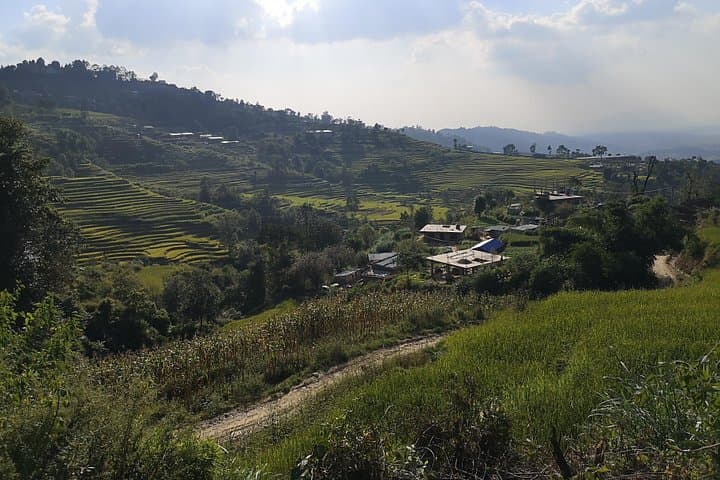
Culturally the path passes Tamang settlements where traditional houses and stacked fields speak to a farming rhythm unchanged by city traffic. Expect bird song, occasional rhesus macaques near village edges, and sweeping valley views when the clouds break.
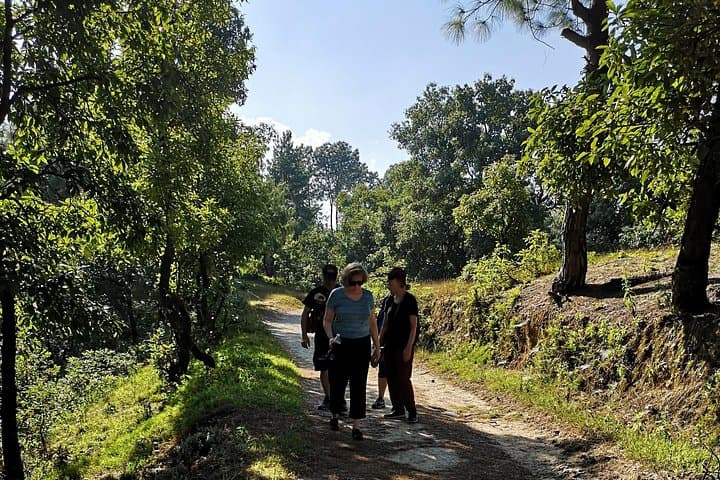
Practically: the hike itself is about 2 hours of walking at a moderate pace over uneven dirt and stone. Wear grippy footwear, bring layered clothing for pre-dawn cold, and a headlamp for the first section. Hydrate and carry local currency for a simple tea or lunch in Nagarkot. Timing matters: aim to arrive at the ridge 20–30 minutes before sunrise to watch the changing light on the Annapurna–Manaslu range on clear mornings.
Respect local customs when passing homes, stick to marked paths to limit erosion, and leave no trace — this route supports small community tourism and benefits from low-impact visitation.
moderate.
2–4 hours.
Suitable for travelers with basic fitness who can manage steady uphill walking and uneven terrain for a couple hours.
The walking portion is about 1.5–2 hours one-way on mixed trail with moderate climbs — suitable for most walkers in reasonable health.
You can follow the main trail independently, but local guides add cultural context and ensure smooth navigation from Changu Narayan to Nagarkot.
Many families and older travelers do this hike; pace it, rest often, and avoid if you have serious cardiovascular issues.
Late autumn to early spring (October–March) generally offers the clearest skies, though mornings in the monsoon shoulder seasons can clear after overnight rains.
Changu Narayan Temple, near the trailhead, contains some of the Kathmandu Valley's oldest stone carvings and inscriptions, reflecting centuries of Newar and Hindu history.
Stick to established trails and pack out waste; increased visitor traffic can accelerate erosion, so support local homestays and community initiatives that fund trail maintenance.
Suman Khatiwada operates guided outdoor trips and adventures with an emphasis on safety, stewardship, and memorable experiences.
You step out before dawn, Himalayan air crisp and teeth-cold, as a narrow trail peels away from the stone houses of a Tamang village. Lanterns dim in doorways; silhouettes of terraced fields and distant ridgelines sharpen against the lightening sky. The trail climbs in steady switchbacks, then eases through mixed pine and rhododendron before opening to a low ridge above Tailkot, where the first sliver of sun pries light from the mountains and the Kathmandu Valley unfolds below.
You step out before dawn, Himalayan air crisp and teeth-cold, as a narrow trail peels away from the stone houses of a Tamang village. Lanterns dim in doorways; silhouettes of terraced fields and distant ridgelines sharpen against the lightening sky. The trail climbs in steady switchbacks, then eases through mixed pine and rhododendron before opening to a low ridge above Tailkot, where the first sliver of sun pries light from the mountains and the Kathmandu Valley unfolds below.
This short, local trek links the UNESCO-adjacent Changu Narayan Temple area with Nagarkot viewpoint — a route that threads cultural history and living geology. Changu Narayan is one of Nepal's oldest Hindu temples, with stone carvings and inscriptions dating back many centuries; the surrounding hills are formed from folded Himalayan foothills and ancient river terraces.
Culturally the path passes Tamang settlements where traditional houses and stacked fields speak to a farming rhythm unchanged by city traffic. Expect bird song, occasional rhesus macaques near village edges, and sweeping valley views when the clouds break.
Practically: the hike itself is about 2 hours of walking at a moderate pace over uneven dirt and stone. Wear grippy footwear, bring layered clothing for pre-dawn cold, and a headlamp for the first section. Hydrate and carry local currency for a simple tea or lunch in Nagarkot. Timing matters: aim to arrive at the ridge 20–30 minutes before sunrise to watch the changing light on the Annapurna–Manaslu range on clear mornings.
Respect local customs when passing homes, stick to marked paths to limit erosion, and leave no trace — this route supports small community tourism and benefits from low-impact visitation.