THE ADVENTURE COLLECTIVE® · Independent discovery and booking for outdoor travel

Climb under stars, reach the Indian Nose ledge, and watch Lake Atitlán light up as the sun rises between three volcanoes. This brief but steep hike rewards early risers with sweeping caldera views and vivid photo ops.
Climb under stars, reach the Indian Nose ledge, and watch Lake Atitlán light up as the sun rises between three volcanoes. This brief but steep hike rewards early risers with sweeping caldera views and vivid photo ops.
Before the sun clears the volcano rims, you push off into cool, thin air and the trail pulls you upward—each step bringing the horizon closer to flame. The Indian Nose rises above Lake Atitlán like a prow, and from its upper ledges the view opens to three sleeping giants: San Pedro, Tolimán and Atitlán. Dawn paints the caldera and villages in hard color; the lake answers by throwing light back.
Verified experiences and guided adventures in the surrounding area.
Operated by Tours, Experiencias vivas y Autenticas. · San Pedro La Laguna, Sololá
Before the sun clears the volcano rims, you push off into cool, thin air and the trail pulls you upward—each step bringing the horizon closer to flame. The Indian Nose rises above Lake Atitlán like a prow, and from its upper ledges the view opens to three sleeping giants: San Pedro, Tolimán and Atitlán. Dawn paints the caldera and villages in hard color; the lake answers by throwing light back.
The viewpoint—a natural outcrop named for the forehead-and-nose profile visible from below—sits on the western rim of the lake formed by volcanic collapse and tectonic tilting. The Tzʼutujil and Kaqchikel Maya have lived around the lake for centuries; small hamlets below still tend coffee and maize, and local guides often share stories about the land and seasonal harvests.
Practical: the guided outing typically departs around 4:00 a.m., includes a 30–45 minute drive to the trailhead, and a steep 30–45 minute ascent (roughly 1–2 km one way with ~250–400 m gain depending on start point) over rocky, stepped dirt. Sunrise photos are best within the first 20 minutes of light; wind and temperatures drop before dawn so layers matter.
Bring a headlamp, sturdy shoes, 1–2 liters of water, and a wind shell. Expect narrow sections and some scrambling; pregnant travelers or those with heart issues should skip the climb. Support local guides, stick to the trail to limit erosion, and plan for fog or mist during the rainy season—both of which can alter visibility but add dramatic mood to the view.
moderate.
3–4.5 hours.
Moderate; comfortable on steep trails and short scrambles. Good cardiovascular fitness for a brisk 30–45 minute ascent.
Expect a steep 30–45 minute ascent from the usual trailhead; the full tour, including transport and viewpoint time, runs about 3–4.5 hours.
Physically fit beginners can do it, but the grade is steep and parts are rocky—go with a guide and take breaks as needed.
Dry season (November–April), especially December–February mornings, offers the clearest skies; however, early starts year-round can produce dramatic light when clouds hang low.
Lake Atitlán sits around 1,500 m and viewpoints are higher—mild breathlessness is common; those with serious heart or respiratory conditions should consult a doctor and consider avoiding the hike.
The Indian Nose viewpoint sits above villages historically occupied by Tzʼutujil Maya; trails were used for trade between lakeside communities and highland fields.
Trails are vulnerable to erosion during heavy rains—stick to marked paths, avoid widening switchbacks, and pack out all rubbish to support local conservation.
Tours, Experiencias vivas y Autenticas. operates guided outdoor trips and adventures with an emphasis on safety, stewardship, and memorable experiences.

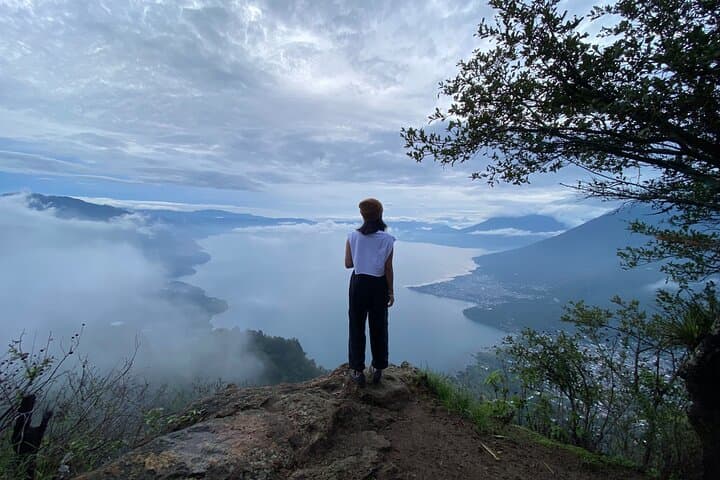
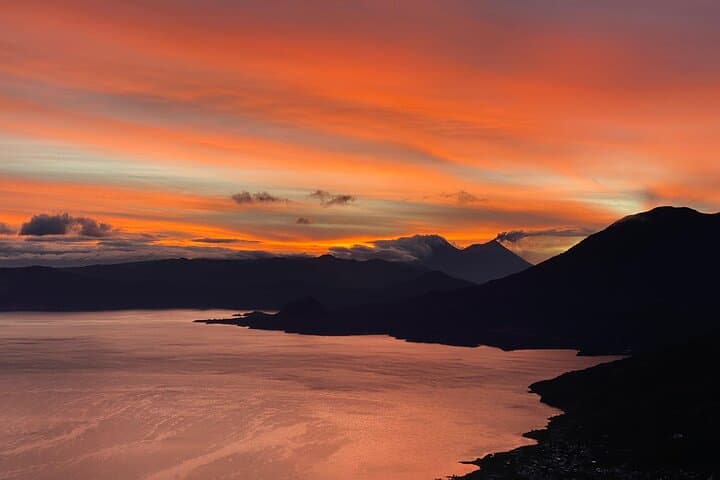
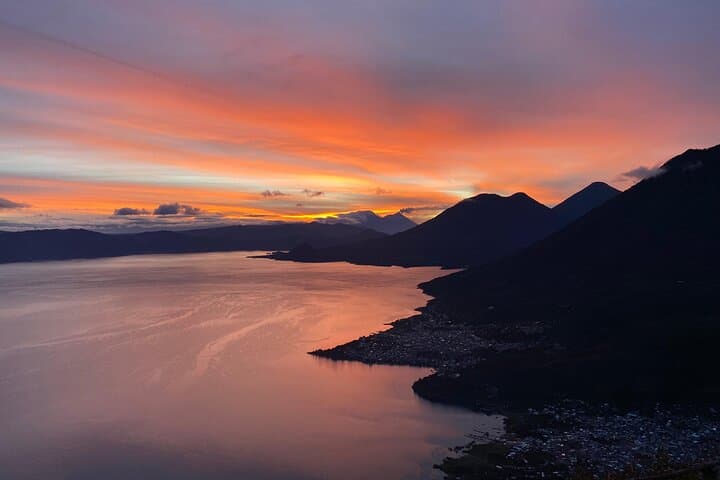
Before the sun clears the volcano rims, you push off into cool, thin air and the trail pulls you upward—each step bringing the horizon closer to flame. The Indian Nose rises above Lake Atitlán like a prow, and from its upper ledges the view opens to three sleeping giants: San Pedro, Tolimán and Atitlán. Dawn paints the caldera and villages in hard color; the lake answers by throwing light back.
Before the sun clears the volcano rims, you push off into cool, thin air and the trail pulls you upward—each step bringing the horizon closer to flame. The Indian Nose rises above Lake Atitlán like a prow, and from its upper ledges the view opens to three sleeping giants: San Pedro, Tolimán and Atitlán. Dawn paints the caldera and villages in hard color; the lake answers by throwing light back.
The viewpoint—a natural outcrop named for the forehead-and-nose profile visible from below—sits on the western rim of the lake formed by volcanic collapse and tectonic tilting. The Tzʼutujil and Kaqchikel Maya have lived around the lake for centuries; small hamlets below still tend coffee and maize, and local guides often share stories about the land and seasonal harvests.
Practical: the guided outing typically departs around 4:00 a.m., includes a 30–45 minute drive to the trailhead, and a steep 30–45 minute ascent (roughly 1–2 km one way with ~250–400 m gain depending on start point) over rocky, stepped dirt. Sunrise photos are best within the first 20 minutes of light; wind and temperatures drop before dawn so layers matter.
Bring a headlamp, sturdy shoes, 1–2 liters of water, and a wind shell. Expect narrow sections and some scrambling; pregnant travelers or those with heart issues should skip the climb. Support local guides, stick to the trail to limit erosion, and plan for fog or mist during the rainy season—both of which can alter visibility but add dramatic mood to the view.