THE ADVENTURE COLLECTIVE® · Independent discovery and booking for outdoor travel

A private, guided overnight hike to Blue Mountain Peak delivers a predawn summit, cloud-forest trails and a stay on a working coffee farm. Expect steep climbs, misty ridgelines and the reward of sunrise above Jamaica’s highest point.
A private, guided overnight hike to Blue Mountain Peak delivers a predawn summit, cloud-forest trails and a stay on a working coffee farm. Expect steep climbs, misty ridgelines and the reward of sunrise above Jamaica’s highest point.
Fog presses against the uphill pines as your guide checks headlamps and ties boots; the night is cold, the road behind you swallowed by cloud. By torchlight you begin a climb the island has used for navigation and refuge for centuries—roots and rock underfoot, the scent of wet soil and coffee trees rising around you.
Verified experiences and guided adventures in the surrounding area.
Operated by Irie Moto-Tours · Kingston, St. Andrew
Fog presses against the uphill pines as your guide checks headlamps and ties boots; the night is cold, the road behind you swallowed by cloud. By torchlight you begin a climb the island has used for navigation and refuge for centuries—roots and rock underfoot, the scent of wet soil and coffee trees rising around you.
These uplands form Jamaica’s Blue Mountains, a UNESCO-recognized range shaped by volcanic uplift and relentless erosion. Coffee estates carved trails and terraces into the slopes; today working farms still process the beans that made the peaks famous. The geology gives way from limestone foothills to steep ridgelines and fragile cloud forest near the summit, and local culture remains tied to smallholdings, roast houses and morning harvests.
Expect a 3–4 hour ascent (about 10 km one-way), a predawn push for sunrise at 7,402 ft, and a steep three-hour descent. Terrain alternates packed soil, exposed roots and loose rock; mist can hide the trail and make rocks slick. Wildlife is quiet at first light—hummingbirds and endemic forest birds animate the ridge—and waterfalls often appear unexpectedly on the descent, tempting a cold dip.
Practical: plan layered clothing for a 10+ hour day, waterproof shells, and trekking poles for steep sections. Hydrate well the day before and carry snacks; guides usually handle transport and lodge logistics, but cell service is intermittent. For first-time Blue Mountain hikers, a guided, private tour balances local knowledge, coffee-farm hospitality and the safety needed for a high-altitude tropical sunrise.
challenging.
10–11 hours.
Good cardiovascular fitness and experience with sustained climbs; comfortable walking on uneven, steep terrain for several hours.
The ascent is about 3–4 hours (roughly 10 km/6 miles) and the descent about 3 hours, with the full guided itinerary running around 10–11 hours including transfers and lodge time.
This tour uses dormitory-style lodging on a working coffee farm rather than camping—an early wakeup replaces sleeping on the ridge.
Service is intermittent on the trail; the lodge has basic amenities and restrooms, but expect limited coverage until you descend toward populated valleys.
Travelers should have at least moderate fitness; while technical climbing skills aren’t required, the elevation, early hours and steep sections make the route challenging for true beginners.
The Blue Mountains are historically important for smallholder coffee production and served as a refuge during colonial conflicts; their farms continue traditional methods that shaped local culture.
Cloud forest here is fragile—stick to trails, avoid disturbing water sources and support local guides who practice low-impact tourism.
Irie Moto-Tours operates guided outdoor trips and adventures with an emphasis on safety, stewardship, and memorable experiences.
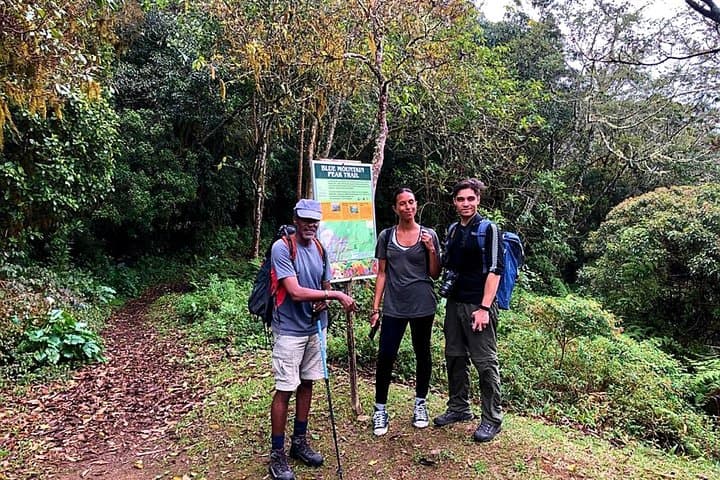
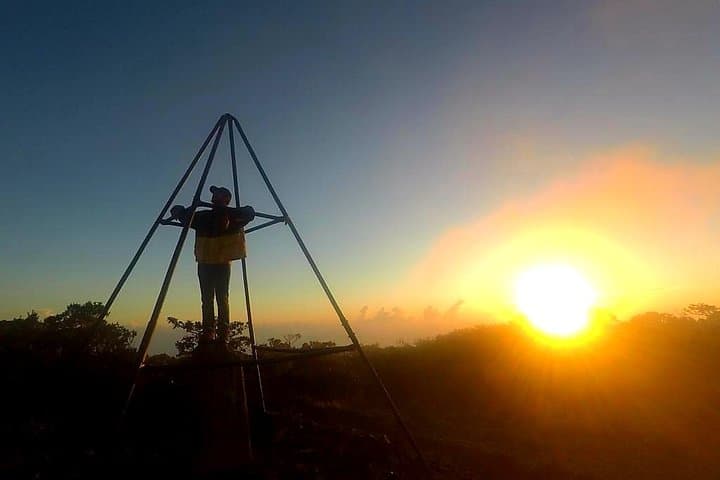
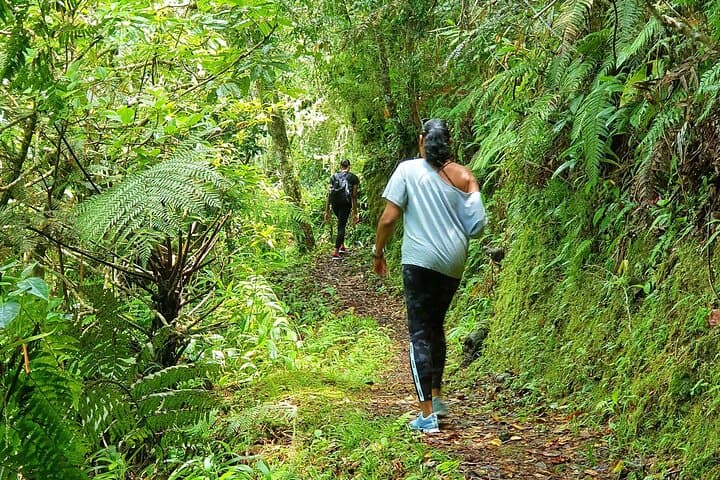
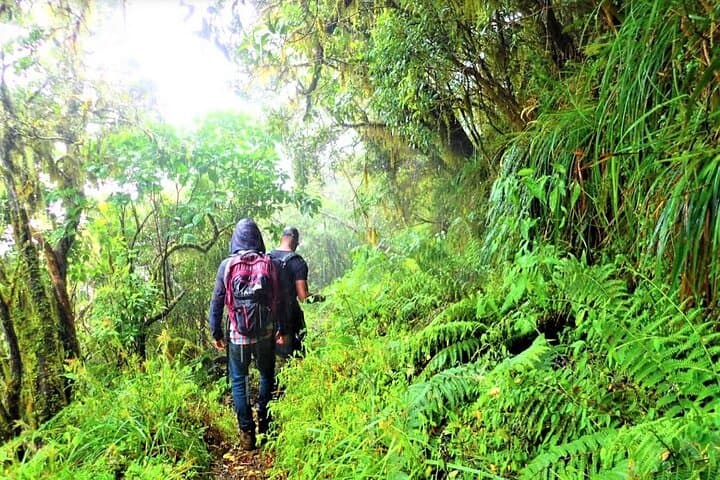
Fog presses against the uphill pines as your guide checks headlamps and ties boots; the night is cold, the road behind you swallowed by cloud. By torchlight you begin a climb the island has used for navigation and refuge for centuries—roots and rock underfoot, the scent of wet soil and coffee trees rising around you.
Fog presses against the uphill pines as your guide checks headlamps and ties boots; the night is cold, the road behind you swallowed by cloud. By torchlight you begin a climb the island has used for navigation and refuge for centuries—roots and rock underfoot, the scent of wet soil and coffee trees rising around you.
These uplands form Jamaica’s Blue Mountains, a UNESCO-recognized range shaped by volcanic uplift and relentless erosion. Coffee estates carved trails and terraces into the slopes; today working farms still process the beans that made the peaks famous. The geology gives way from limestone foothills to steep ridgelines and fragile cloud forest near the summit, and local culture remains tied to smallholdings, roast houses and morning harvests.
Expect a 3–4 hour ascent (about 10 km one-way), a predawn push for sunrise at 7,402 ft, and a steep three-hour descent. Terrain alternates packed soil, exposed roots and loose rock; mist can hide the trail and make rocks slick. Wildlife is quiet at first light—hummingbirds and endemic forest birds animate the ridge—and waterfalls often appear unexpectedly on the descent, tempting a cold dip.
Practical: plan layered clothing for a 10+ hour day, waterproof shells, and trekking poles for steep sections. Hydrate well the day before and carry snacks; guides usually handle transport and lodge logistics, but cell service is intermittent. For first-time Blue Mountain hikers, a guided, private tour balances local knowledge, coffee-farm hospitality and the safety needed for a high-altitude tropical sunrise.