THE ADVENTURE COLLECTIVE® · Independent discovery and booking for outdoor travel

Climb Mount Sibayak before dawn to watch the Karo Highlands light up, then soothe tired legs in nearby hot springs. This practical guide covers terrain, timing, and what to pack for a sunrise summit from Berastagi.
Climb Mount Sibayak before dawn to watch the Karo Highlands light up, then soothe tired legs in nearby hot springs. This practical guide covers terrain, timing, and what to pack for a sunrise summit from Berastagi.
You begin before dawn, headlights slicing through cool highland air as the van climbs out of Berastagi. At trailhead the mountain exhales steam and the path narrows; footsteps and headlamps puncture the dark while the summit waits to accept the first light. When the sun slides up, it paints the crater rim and throws the Karo Highlands into relief — ridges folding like pages and distant Sinabung rising like a darker question on the horizon.
Verified experiences and guided adventures in the surrounding area.
Operated by Berastagi Adventure · Berastagi, North Sumatra
You begin before dawn, headlights slicing through cool highland air as the van climbs out of Berastagi. At trailhead the mountain exhales steam and the path narrows; footsteps and headlamps puncture the dark while the summit waits to accept the first light. When the sun slides up, it paints the crater rim and throws the Karo Highlands into relief — ridges folding like pages and distant Sinabung rising like a darker question on the horizon.
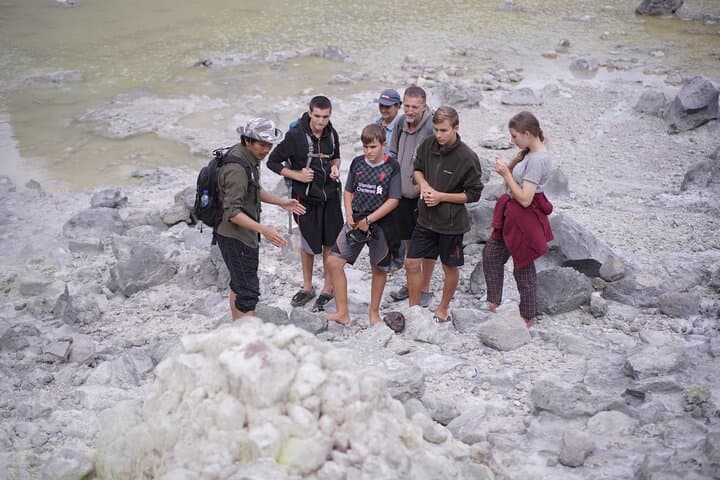
Geology here is immediate: Sibayak is an andesitic stratovolcano with fumaroles and a steaming crater that has shaped local soils and traditions. The Karo people farm fertile terraces on these slopes; markets in Berastagi sell passion fruit and ginger that taste of volcanic mineral. Hot springs at the base are a cultural afterword to the climb — locals have soaked these waters for generations.
Expect a trail of volcanic scree, packed dirt and intermittent stair sections; ascent is steep in places but not technical. The hike is commonly done pre-dawn to catch sunrise views over neighboring peaks and the Medan plain. Guides often include a soak in the hot or soda spring afterward — a practical and restorative finish.
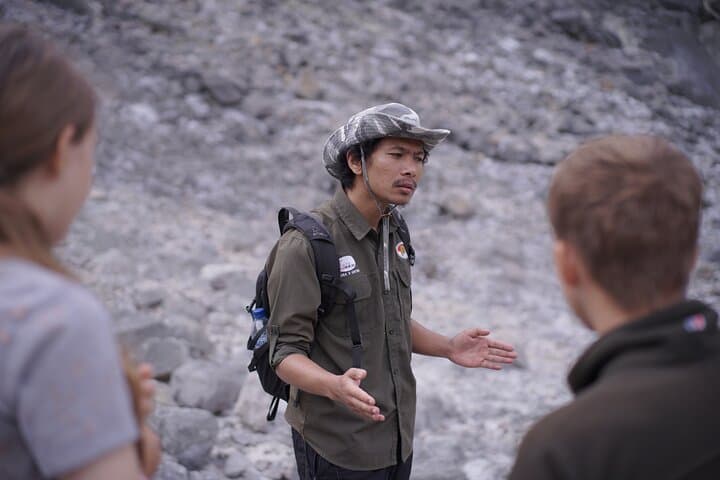
Practical guidance: start early, wear sturdy boots with grip, bring layers and a headlamp, and carry 1–2 liters of water. Weather shifts fast — fog and wind can turn a clear summit into a chilly, exposed ridge. Respect fumaroles: vents are hot and unstable. Book a local guide for trail knowledge and to support the community; they’ll know the safest routes and best viewpoints.
moderate.
5–7 hours.
Moderate fitness—regular walkers and hikers who are comfortable on uneven ground and short steep sections will manage well.
Including transport from Berastagi and the return, tours run about 5–7 hours; actual uphill hiking is typically 1–2 hours depending on fitness and route.
Guides are not legally required but strongly recommended for safety, route knowledge and local insight; most sunrise tours include a guide and transport.
Yes—many itineraries include time at nearby hot or soda springs; follow safety signs as water temperature and mineral content vary.
The trail is non-technical but steep in sections; children used to walking and older travelers in good health can usually manage, but disclose health conditions when booking.
The Karo Highlands have long been farmed by the Karo people; volcanic ash from Sibayak has enriched soils and supported local spice and fruit agriculture.
Stay on trails and pack out waste—fragile geothermal ground and endemic highland flora recover slowly; hiring local guides spreads tourism benefits to the community.
Berastagi Adventure operates guided outdoor trips and adventures with an emphasis on safety, stewardship, and memorable experiences.
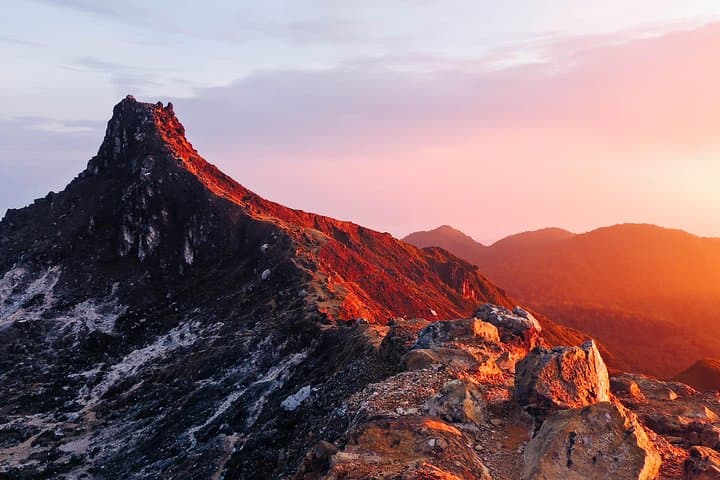
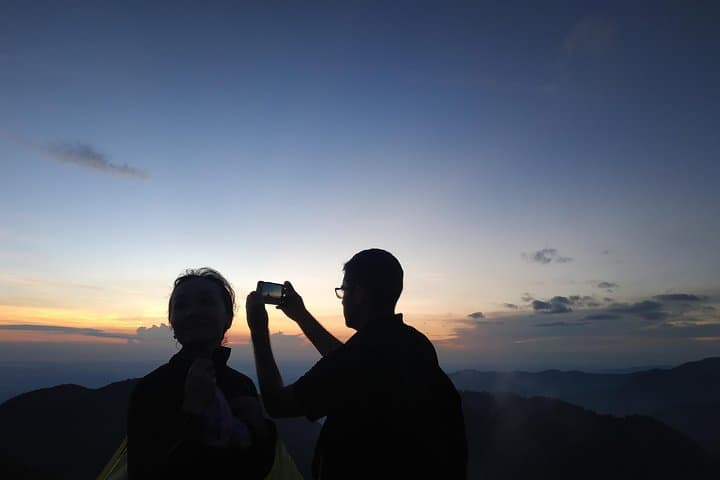
You begin before dawn, headlights slicing through cool highland air as the van climbs out of Berastagi. At trailhead the mountain exhales steam and the path narrows; footsteps and headlamps puncture the dark while the summit waits to accept the first light. When the sun slides up, it paints the crater rim and throws the Karo Highlands into relief — ridges folding like pages and distant Sinabung rising like a darker question on the horizon.
You begin before dawn, headlights slicing through cool highland air as the van climbs out of Berastagi. At trailhead the mountain exhales steam and the path narrows; footsteps and headlamps puncture the dark while the summit waits to accept the first light. When the sun slides up, it paints the crater rim and throws the Karo Highlands into relief — ridges folding like pages and distant Sinabung rising like a darker question on the horizon.
Geology here is immediate: Sibayak is an andesitic stratovolcano with fumaroles and a steaming crater that has shaped local soils and traditions. The Karo people farm fertile terraces on these slopes; markets in Berastagi sell passion fruit and ginger that taste of volcanic mineral. Hot springs at the base are a cultural afterword to the climb — locals have soaked these waters for generations.
Expect a trail of volcanic scree, packed dirt and intermittent stair sections; ascent is steep in places but not technical. The hike is commonly done pre-dawn to catch sunrise views over neighboring peaks and the Medan plain. Guides often include a soak in the hot or soda spring afterward — a practical and restorative finish.
Practical guidance: start early, wear sturdy boots with grip, bring layers and a headlamp, and carry 1–2 liters of water. Weather shifts fast — fog and wind can turn a clear summit into a chilly, exposed ridge. Respect fumaroles: vents are hot and unstable. Book a local guide for trail knowledge and to support the community; they’ll know the safest routes and best viewpoints.