THE ADVENTURE COLLECTIVE® · Independent discovery and booking for outdoor travel

Take a morning plane flight from Kathmandu to see Everest, Lhotse, Makalu and Cho Oyu from guaranteed window seats. This short, high-impact aerial tour offers photographers and non-trekkers a safe, efficient way to witness the roof of the world.
Take a morning plane flight from Kathmandu to see Everest, Lhotse, Makalu and Cho Oyu from guaranteed window seats. This short, high-impact aerial tour offers photographers and non-trekkers a safe, efficient way to witness the roof of the world.
You taxi out before dawn, Kathmandu's lights shrinking behind the wing as the plane climbs into a clean, cold sky. Within minutes the low hills drop away and the Himalayan skyline asserts itself: Everest rising like a sharp line on the horizon, Lhotse and Makalu flanking it, glaciers catching the sun and throwing it back in hard, white glints.
Verified experiences and guided adventures in the surrounding area.
Operated by RP Adventures · Kathmandu, Bagmati Province
You taxi out before dawn, Kathmandu's lights shrinking behind the wing as the plane climbs into a clean, cold sky. Within minutes the low hills drop away and the Himalayan skyline asserts itself: Everest rising like a sharp line on the horizon, Lhotse and Makalu flanking it, glaciers catching the sun and throwing it back in hard, white glints.
These peaks are the product of the Indian and Eurasian plates colliding over millions of years; the range still rises today. From the air you read the geology at scale—steep ridgelines, blue-ice valleys and moraine-scoured basins. Culturally, the flight crosses a landscape long traveled by Sherpa traders and pilgrims; the mountains have guided local calendars, prayer flags, and seasonal migration.
The tour itself is straightforward: hotel pickup in Kathmandu, a short drive to Tribhuvan Airport, and roughly an hour of sightseeing over Everest, Lhotse, Makalu and Cho Oyu with guaranteed window seats. Photographers will want a morning departure for the best light and stable air. Expect cold temperatures at altitude even if Kathmandu is mild—bring an extra layer. Motion-sickness remedies and modest mobility are helpful; the operator notes health restrictions for pregnancy and serious spinal or heart conditions.
Practical tips: charge batteries, use a polarizing filter to cut glare, and plan for a 3-hour total window including transfers. The flight delivers a concentrated, accessible Himalayan experience—an efficient way to see the world's highest summits without weeks of trekking, but one that rewards preparation and respect for mountain weather and local culture.
easy.
3 hours.
No strenuous fitness required but you should be able to sit for the duration and manage short transfers.
The airborne sightseeing segment is about one hour; total door-to-door time including hotel pickup is roughly three hours.
Morning departures maximize visibility and reduce cloud cover, but mountain weather is changeable and views cannot be guaranteed.
You must provide passport details when booking; ensure your travel documents meet Nepal entry requirements.
The operator advises against travel for pregnant people and those with serious heart or spinal conditions—consult your physician if unsure.
The region became globally known after early 20th-century reconnaissance flights and the 1953 ascent of Everest; local Sherpa communities have guided mountaineering for generations.
Aerial tours concentrate viewing impact but operators should follow noise and flight-path guidelines to minimize disturbance; support local conservation initiatives that protect glacial catchments.
RP Adventures operates guided outdoor trips and adventures with an emphasis on safety, stewardship, and memorable experiences.
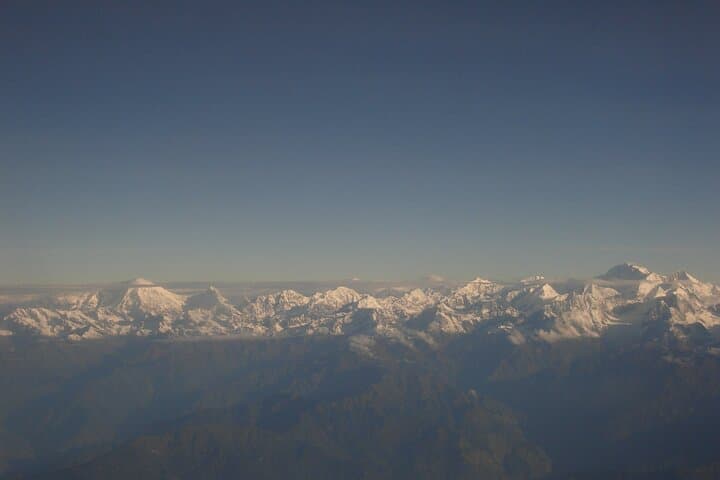
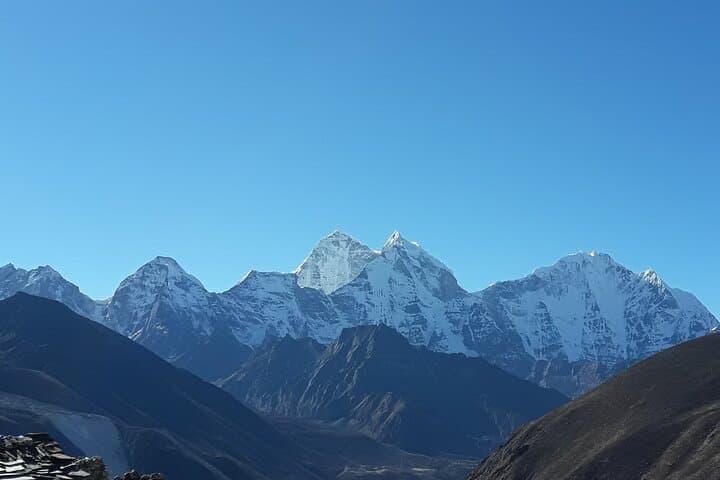

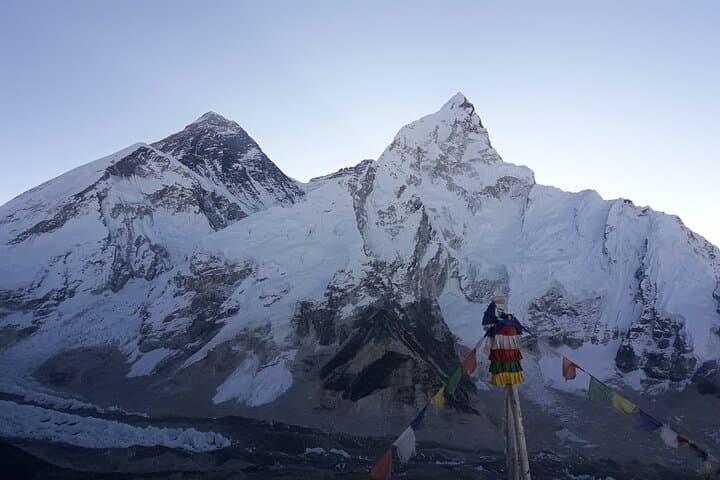
You taxi out before dawn, Kathmandu's lights shrinking behind the wing as the plane climbs into a clean, cold sky. Within minutes the low hills drop away and the Himalayan skyline asserts itself: Everest rising like a sharp line on the horizon, Lhotse and Makalu flanking it, glaciers catching the sun and throwing it back in hard, white glints.
You taxi out before dawn, Kathmandu's lights shrinking behind the wing as the plane climbs into a clean, cold sky. Within minutes the low hills drop away and the Himalayan skyline asserts itself: Everest rising like a sharp line on the horizon, Lhotse and Makalu flanking it, glaciers catching the sun and throwing it back in hard, white glints.
These peaks are the product of the Indian and Eurasian plates colliding over millions of years; the range still rises today. From the air you read the geology at scale—steep ridgelines, blue-ice valleys and moraine-scoured basins. Culturally, the flight crosses a landscape long traveled by Sherpa traders and pilgrims; the mountains have guided local calendars, prayer flags, and seasonal migration.
The tour itself is straightforward: hotel pickup in Kathmandu, a short drive to Tribhuvan Airport, and roughly an hour of sightseeing over Everest, Lhotse, Makalu and Cho Oyu with guaranteed window seats. Photographers will want a morning departure for the best light and stable air. Expect cold temperatures at altitude even if Kathmandu is mild—bring an extra layer. Motion-sickness remedies and modest mobility are helpful; the operator notes health restrictions for pregnancy and serious spinal or heart conditions.
Practical tips: charge batteries, use a polarizing filter to cut glare, and plan for a 3-hour total window including transfers. The flight delivers a concentrated, accessible Himalayan experience—an efficient way to see the world's highest summits without weeks of trekking, but one that rewards preparation and respect for mountain weather and local culture.