THE ADVENTURE COLLECTIVE® · Independent discovery and booking for outdoor travel

Spend a sunrise watching Andean condors wheel over the Valley of the Moon, then visit Tehuelche archaeological sites to learn how the region's first inhabitants lived. This half-day trip pairs wildlife viewing with cultural context and short, accessible walks.
Spend a sunrise watching Andean condors wheel over the Valley of the Moon, then visit Tehuelche archaeological sites to learn how the region's first inhabitants lived. This half-day trip pairs wildlife viewing with cultural context and short, accessible walks.
You leave Coyhaique before dawn, the road a ribbon through scrub and low ridges while headlights pick out frost on fenceposts. By the time you reach the ranch at Las Condoreras the sky is paling and the first condors are already awake, riding thermals above the valley that locals call the Valley of the Moon.
Verified experiences and guided adventures in the surrounding area.
Operated by Tangol · Coyhaique, Aysén Region
You leave Coyhaique before dawn, the road a ribbon through scrub and low ridges while headlights pick out frost on fenceposts. By the time you reach the ranch at Las Condoreras the sky is paling and the first condors are already awake, riding thermals above the valley that locals call the Valley of the Moon.
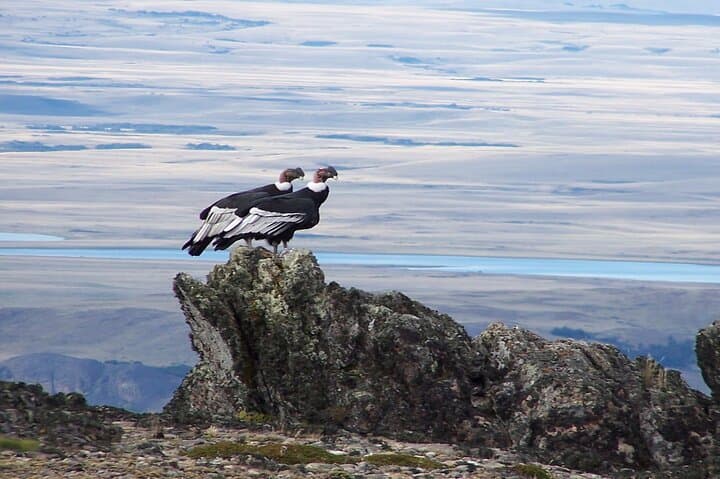
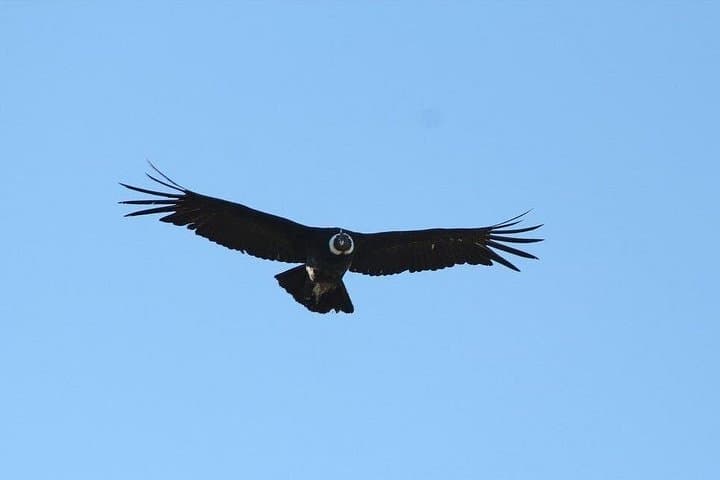
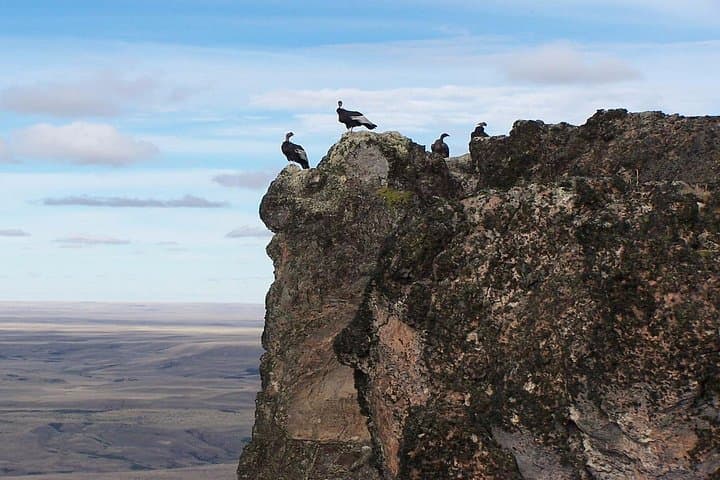
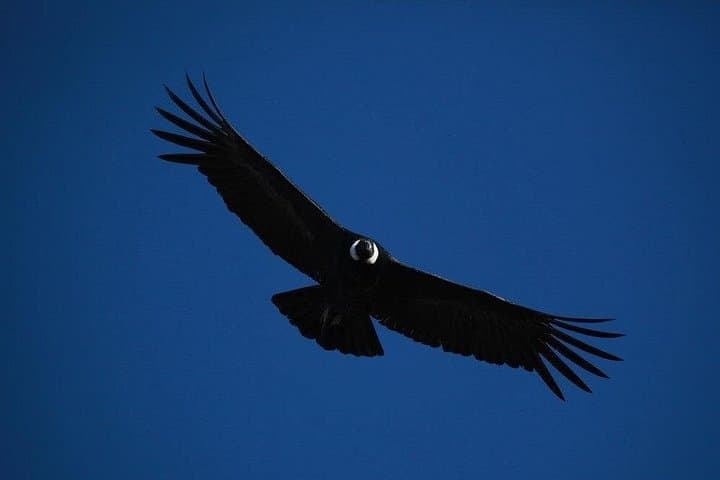
The condors dominate the scene: slow-winged and deliberate, they tilt and catch the rising air, carving the light as they search for warmth and food. Guides will point out age and sex differences—broader white collars on adults, darker juveniles—and explain breeding cycles and how these birds fit the Andean food web. The cliff viewing area is short, mostly flat walking to a vantage where you can photograph and watch without disturbing their glide.
The return trip traces human history: a stop at El Picadero reveals stone flakes and tool marks used for hunting and processing, and the Chenque cemetery shows burial patterns that speak to Tehuelche cosmology and seasonal movements across the steppe.
Practical notes: plan for a very early start (about 5:30 AM). Expect cool, wind-driven mornings even in summer; layered clothing and a windproof shell make long watches comfortable. Binoculars and a telephoto lens are useful, but the best shots often come from patient moments when condors drift close. The walking is short and suitable for most fitness levels, but uneven ground and cliff edges demand steady footing and attention. Bring water and snacks supplied by guides if requested, and respect closures around nesting and archaeological features to minimize impact.
easy.
6–7 hours.
Light; suitable for most travelers who can stand and walk short uneven sections.
The tour departs very early, around 5:30 AM from Coyhaique to reach Las Condoreras at dawn.
Sightings are high at dawn when condors use thermals to leave roosts, but wildlife is never guaranteed.
No—walking is short and on simple trails, suitable for most fitness levels, but expect some uneven ground at viewpoints.
Guides are typically available in Spanish and English; check when booking for language needs.
The area around Coyhaique served as seasonal territory and travel corridors for Tehuelche peoples; stone tools and chenque cemeteries reflect long-term use of the steppe for hunting and ritual.
Condor populations rely on protected scavenging habitat and nest-site conservation; visitors are asked to keep distance from nesting cliffs and minimize disturbance to archaeological sites.
Tangol operates guided outdoor trips and adventures with an emphasis on safety, stewardship, and memorable experiences.
You leave Coyhaique before dawn, the road a ribbon through scrub and low ridges while headlights pick out frost on fenceposts. By the time you reach the ranch at Las Condoreras the sky is paling and the first condors are already awake, riding thermals above the valley that locals call the Valley of the Moon.
You leave Coyhaique before dawn, the road a ribbon through scrub and low ridges while headlights pick out frost on fenceposts. By the time you reach the ranch at Las Condoreras the sky is paling and the first condors are already awake, riding thermals above the valley that locals call the Valley of the Moon.
The condors dominate the scene: slow-winged and deliberate, they tilt and catch the rising air, carving the light as they search for warmth and food. Guides will point out age and sex differences—broader white collars on adults, darker juveniles—and explain breeding cycles and how these birds fit the Andean food web. The cliff viewing area is short, mostly flat walking to a vantage where you can photograph and watch without disturbing their glide.
The return trip traces human history: a stop at El Picadero reveals stone flakes and tool marks used for hunting and processing, and the Chenque cemetery shows burial patterns that speak to Tehuelche cosmology and seasonal movements across the steppe.
Practical notes: plan for a very early start (about 5:30 AM). Expect cool, wind-driven mornings even in summer; layered clothing and a windproof shell make long watches comfortable. Binoculars and a telephoto lens are useful, but the best shots often come from patient moments when condors drift close. The walking is short and suitable for most fitness levels, but uneven ground and cliff edges demand steady footing and attention. Bring water and snacks supplied by guides if requested, and respect closures around nesting and archaeological features to minimize impact.